How to style simple, healthy real food for irresistible visual feeds?
The Art of Making Healthy Food Shine
In today’s visually-driven world, presenting healthy, real food in an appealing way is crucial, especially for social media. It’s not just about what you eat, but how you show it. Transforming simple ingredients into a feast for the eyes can inspire others, making wholesome eating seem less like a chore and more like an art. This guide will help you master the art of styling your healthy meals for that irresistible visual appeal.
Mastering Natural Light
Good lighting is perhaps the most critical element in food photography. Forget harsh overhead lights or dim kitchen corners. Always seek out natural light, ideally near a window, but avoid direct sunlight which can create harsh shadows and blown-out highlights. Overcast days offer soft, diffused light perfect for showcasing the true colors and textures of your food. Position your dish so the light hits it from the side or slightly from the back, adding depth and dimension. Using a white foam board or reflector can bounce light back onto the dish, filling in shadows and brightening your shot.
Composition and Plating: Less is More
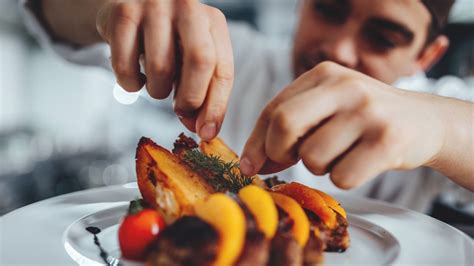
When it comes to healthy food, the beauty often lies in its natural form. Embrace simplicity in your plating. Arrange ingredients thoughtfully, focusing on odd numbers for visual interest (e.g., three asparagus spears, five berries). Create a focal point and build around it. Consider the rule of thirds, placing your main subject off-center for a more dynamic composition. Don’t overcrowd the plate; leave some negative space to allow the food to breathe and stand out. A drizzle of olive oil, a sprinkle of fresh herbs, or a pinch of flaky sea salt can add professional finishing touches.
The Power of Props and Backgrounds
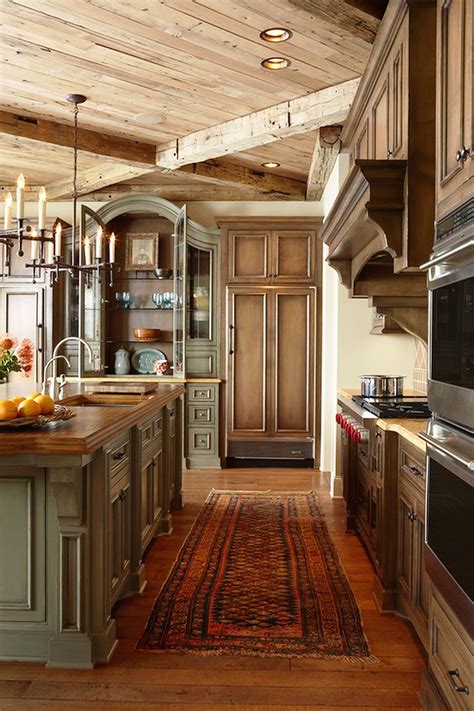
Your background and props should complement, not distract from, your food. Choose simple, neutral backgrounds like a wooden table, a linen tablecloth, or a plain wall. Textures can add interest – think rustic wood, crumpled linen, or a ceramic plate. When selecting props, opt for items that tell a story or enhance the narrative of healthy eating: vintage cutlery, a small bowl of fresh ingredients used in the dish, a handcrafted mug, or a sprig of fresh herbs. Keep your color palette cohesive and muted, allowing the vibrant colors of the food to pop.
Emphasize Color and Texture
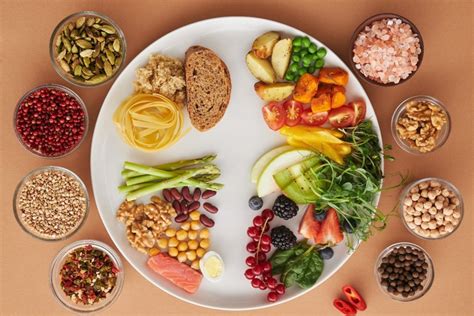
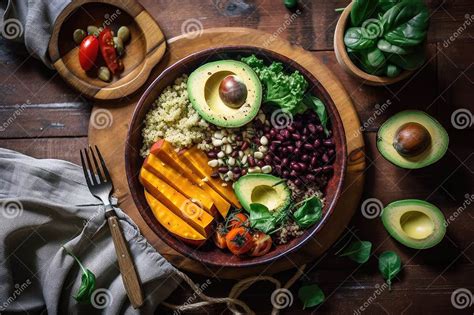
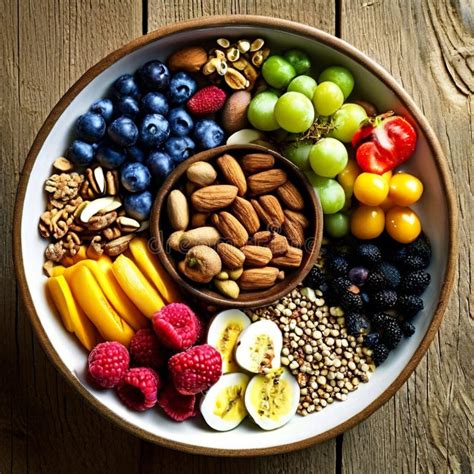
Healthy, real food is often a riot of natural colors and textures – think vibrant berries, leafy greens, crunchy nuts, and creamy avocados. Highlight these elements! Arrange ingredients to showcase their natural beauty. Cut fruits and vegetables in ways that reveal their internal patterns. Use contrasting textures, such as crunchy granola over smooth yogurt, or a rough-hewn bread beside a silky soup, to make your images more engaging and appealing to the senses. A touch of gloss from a healthy dressing or a sprinkle of seeds can add that extra visual punch.
Authenticity and Post-Processing
Authenticity resonates deeply with audiences. Showcase real, wholesome food in a way that feels achievable and inviting. Avoid overly processed filters or extreme editing that make the food look artificial. Small adjustments in brightness, contrast, shadows, and highlights can make a significant difference. A slight boost in saturation can bring out natural colors, but use it sparingly. The goal is to enhance the natural beauty of your healthy meal, not to transform it into something it’s not. Remember, your visual feed is an extension of your healthy lifestyle, so let your genuine love for real food shine through every shot.