How to tag Visual Bites for hyper-relevant foodie discovery and boosted engagement?

In the vibrant world of digital food culture, “Visual Bites” — captivating photos and videos of culinary delights — are the currency of connection. Yet, simply sharing stunning imagery isn’t enough. To truly stand out, reach the right audience, and drive meaningful engagement, mastering the art of tagging is paramount. Effective tagging transforms your visual content from a mere snapshot into a discovery tool, connecting food enthusiasts with exactly what they crave.
The Power of Precise Tagging for Foodie Discovery
Think of tags as digital breadcrumbs, guiding hungry users directly to your content. Without them, even the most mouth-watering photo can get lost in the endless stream of online visuals. Precise tagging doesn’t just increase visibility; it ensures your content is discovered by a hyper-relevant audience – those actively searching for specific dishes, cuisines, or dining experiences. This targeted exposure translates directly into higher engagement rates, as viewers who find your content through specific tags are already predisposed to be interested, leading to more likes, shares, comments, and even real-world visits or purchases.

Beyond discovery, robust tagging provides invaluable data. By analyzing which tags drive the most engagement, you gain insights into your audience’s preferences and what aspects of your food or dining experience resonate most. This feedback loop allows you to refine your content strategy, creating even more compelling Visual Bites that are tailor-made for your community.
Core Strategies for Hyper-Relevant Tagging
1. Specificity is Your Secret Sauce
General tags like “#food” or “#yummy” cast too wide a net. Instead, focus on granular details. What exact dish is it? What are the key ingredients? What cuisine type?
- Dish Names: “#MargheritaPizza”, “#SpicyTunaRoll”, “#VeganTaco”
- Key Ingredients: “#AvocadoToast”, “#TruffleFries”, “#MatchaLatte”
- Cuisine Type: “#ItalianFood”, “#JapaneseCuisine”, “#MexicanEats”
The more specific you are, the more likely you are to attract users actively seeking that exact item.
2. Location, Location, Location
Food is inherently tied to place. Tagging geographical information is crucial for local discovery and for users planning their next meal out.
- Restaurant Name: “#TheGastronomyHub”
- City/Neighborhood: “#NYCFoodie”, “#BrooklynEats”, “#LondonRestaurants”
- Landmarks (if relevant): “#NearEiffelTowerFood”
Geo-tagging and using location-specific hashtags directly connects your content with local diners.

3. Experience & Ambiance Tags
Food is more than just sustenance; it’s an experience. Capture the mood and occasion.
- Vibe: “#CozyCafe”, “#FineDining”, “#CasualEats”
- Occasion: “#BrunchGoals”, “#DateNight”, “#FamilyDinner”
- Time of Day: “#BreakfastIdeas”, “#LunchBreak”, “#DinnerTime”
These tags help users discover content that matches their desired dining experience.
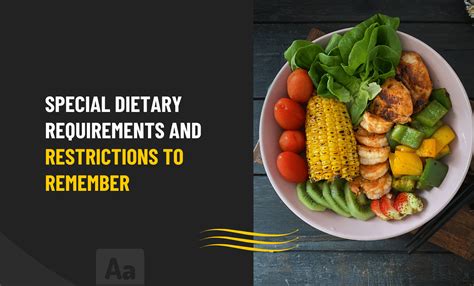
4. Dietary & Lifestyle Tags
With increasing dietary awareness, these tags are non-negotiable for reaching specific audiences.
- Dietary Needs: “#GlutenFree”, “#DairyFree”, “#NutFree”
- Lifestyle Choices: “#VeganFood”, “#VegetarianEats”, “#KetoFriendly”
- Health Focus: “#HealthyEating”, “#CleanEating”
This segment of users often uses these tags as primary search filters.
5. Emotional & Sensory Tags
Engage the senses and evoke emotion. How does the food look, feel, or make you feel?
- Visual Appeal: “#FoodPorn”, “#VibrantFood”, “#BeautifulPlating”
- Taste/Texture: “#Crispy”, “#Creamy”, “#SpicyFood”
- Emotion: “#ComfortFood”, “#Indulgence”, “#FoodieHeaven”
These tags add a layer of human connection and appeal.
Advanced Tagging Techniques and Best Practices
Beyond the basics, there are several ways to maximize your tagging impact:
- Hashtag Research: Use platform tools to find trending and relevant hashtags. Don’t just guess; investigate what tags your target audience and competitors are using.
- Consistency: Maintain a consistent set of core tags for your brand or niche. This helps build recognition and strengthens your content’s discoverability over time.
- User-Generated Tags: Encourage your audience to tag their own Visual Bites using your specific hashtags (e.g., “#MyRestaurantExperience”). This amplifies your reach and builds community.
- Tag Limits: Be mindful of platform-specific tag limits. Quality over quantity is always key. A few highly relevant tags are better than a dozen generic ones.
- Call to Action: Sometimes, your caption can explicitly ask users to use a certain tag when sharing their experiences.
Measuring and Adapting Your Tagging Strategy
The work doesn’t stop once you’ve published. Regularly review your content analytics. Which Visual Bites performed best? Which tags were most effective in driving engagement and discovery? Platforms often provide insights into hashtag performance. Use this data to continually refine your tagging strategy, dropping underperforming tags and adopting new, more effective ones. The digital food landscape is dynamic, so your tagging approach should be too.
Conclusion
Tagging Visual Bites isn’t an afterthought; it’s a strategic imperative for anyone looking to make an impact in the digital food space. By embracing specificity, leveraging location, understanding dietary needs, and evoking emotion through your tags, you can transform your mouth-watering content into a magnet for hyper-relevant foodie discovery. Boosted engagement, stronger community, and invaluable insights await those who master this essential skill, ensuring your culinary creations reach the tables – and screens – of those who appreciate them most.