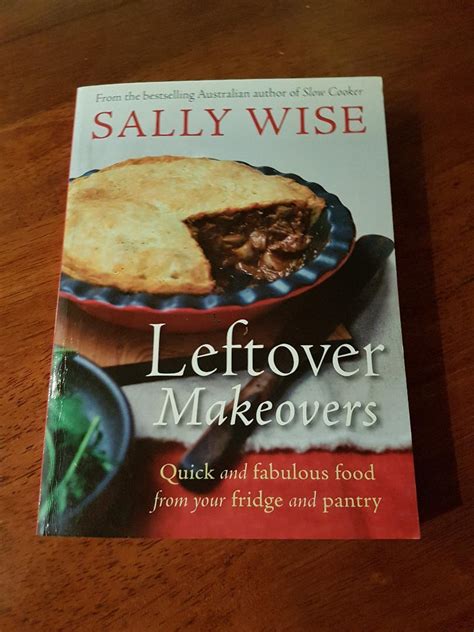
How to transform sad leftovers into vibrant, delicious new meals visually?
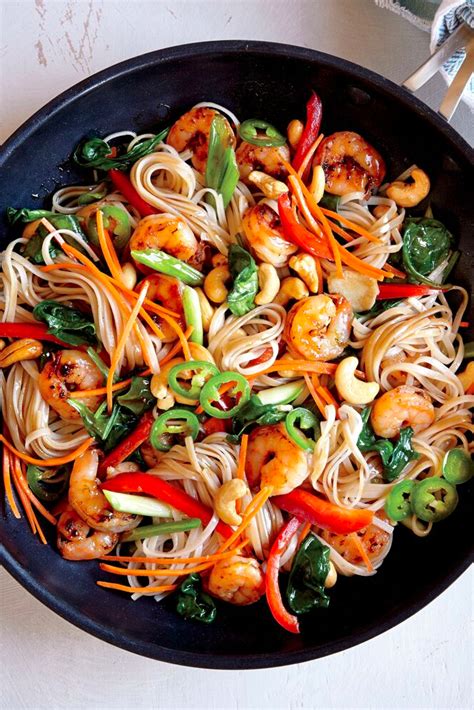
The Culinary Canvas: Elevating Leftovers Beyond Repetition
Leftovers often carry a stigma of being uninspired, a mere replay of yesterday’s dinner. But with a little creativity and a focus on visual appeal, those ‘sad’ remnants can be reborn as vibrant, delicious new meals. The secret lies not just in reheating, but in reimagining their form, color, and presentation. By appealing to our eyes first, we trick our brains into perceiving a fresh, exciting culinary experience, making those ingredients seem brand new.
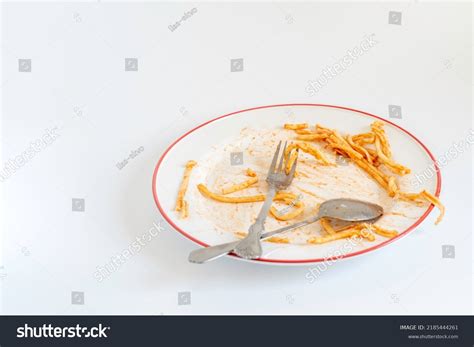
Reinventing Texture and Form
One of the quickest ways to visually transform leftovers is to change their texture and form. A block of roasted chicken can become shredded chicken for tacos or a salad. Leftover mashed potatoes can be pan-fried into crispy potato cakes or croquettes. Pasta can be baked into a frittata or casserole. Chopping ingredients differently, mashing, shredding, or dicing them gives them a new identity and makes them appear distinct from their original form.
- Shredding & Dicing: Turn large pieces of meat or vegetables into smaller, more versatile components.
- Mashing & Pureeing: Create new textures like dips, spreads, or sauces from cooked vegetables.
- Baking & Frying: Introduce crispiness or a golden-brown crust to otherwise soft ingredients.
Adding a Splash of Freshness and Color
Often, yesterday’s meal lacks the vibrant hues of freshly prepared dishes. Introducing fresh ingredients is a game-changer for visual appeal. A sprinkle of fresh herbs – parsley, cilantro, or chives – instantly brightens a dish. A handful of cherry tomatoes, thinly sliced radishes, or a few leaves of spinach can add much-needed color and crunch. Citrus wedges (lemon, lime) not only add a zesty flavor but also a burst of yellow or green, signaling freshness.
Consider the color wheel when adding these elements. Complementary colors make a dish pop. Red tomatoes against green herbs, or orange carrots alongside purple cabbage, create an enticing visual contrast.
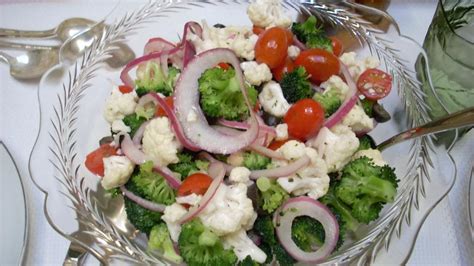
Mastering the Art of Plating
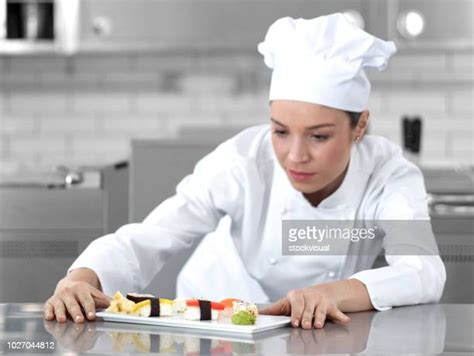
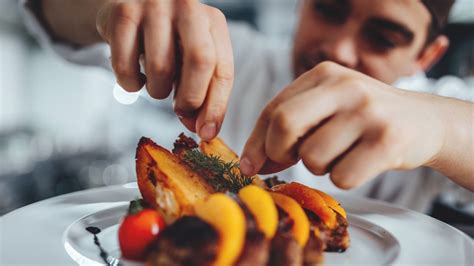
How you arrange food on the plate profoundly impacts its perceived deliciousness. Don’t just dump leftovers onto a plate; treat them as components of a new creation. Think about composition:
- Stacking & Layering: Create height and dimension by stacking elements, like building a mini-tower of crispy potato cakes topped with an egg.
- Symmetry & Asymmetry: A well-placed drizzle of sauce or a few strategically scattered garnishes can elevate a simple dish.
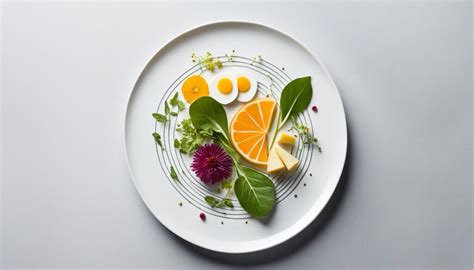
- Using Negative Space: Don’t overcrowd the plate. Allowing some white space around the food makes it look more elegant and intentional.
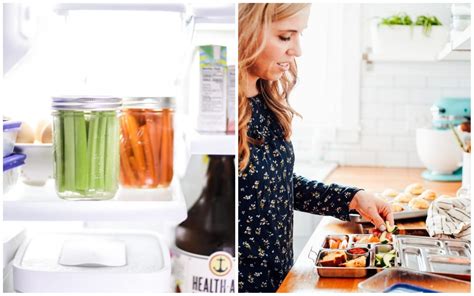
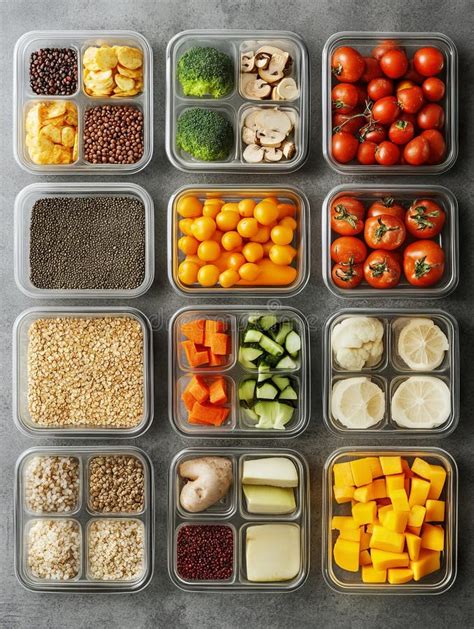
A simple swirl of a sauce, a deliberate arrangement of vegetables, or even serving components separately (bento-box style) can make a world of difference.
Creative Serving Vessels and Garnishes
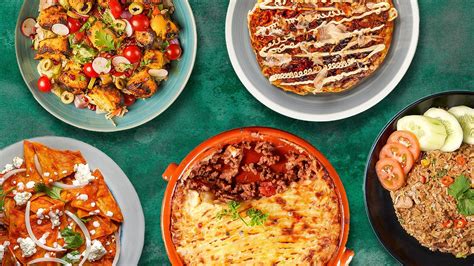
Beyond the plate, the vessel itself can contribute to the transformation. Serve a leftover soup in a rustic bread bowl. Turn a stir-fry into a visually appealing lettuce wrap. Utilize smaller bowls, ramekins, or even clear glass jars for salads or parfaits to showcase layers of ingredients. Don’t underestimate the power of garnishes – a sprinkle of toasted nuts, a dollop of Greek yogurt or sour cream, a drizzle of olive oil, or a scattering of chili flakes can add both texture and visual interest.
Conclusion: Embrace the Visual Journey
Transforming sad leftovers into vibrant, delicious new meals is an exciting culinary adventure that begins with your eyes. By consciously altering textures, adding fresh colors, mastering plating techniques, and experimenting with serving styles, you not only reduce food waste but also unlock a new realm of creativity in your kitchen. So next time you open the fridge to face yesterday’s dinner, see it not as an obligation, but as a blank canvas awaiting your artistic touch. Your taste buds, and your budget, will thank you.