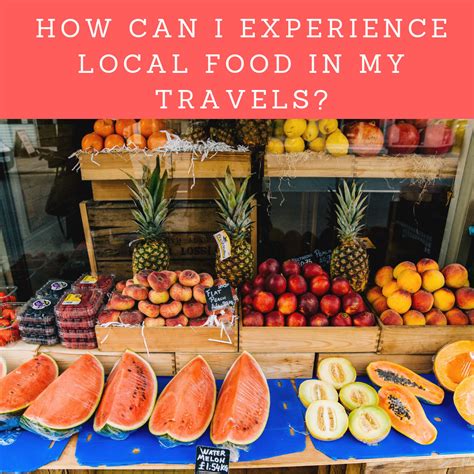
How to visually capture authentic local foodie finds on the go?
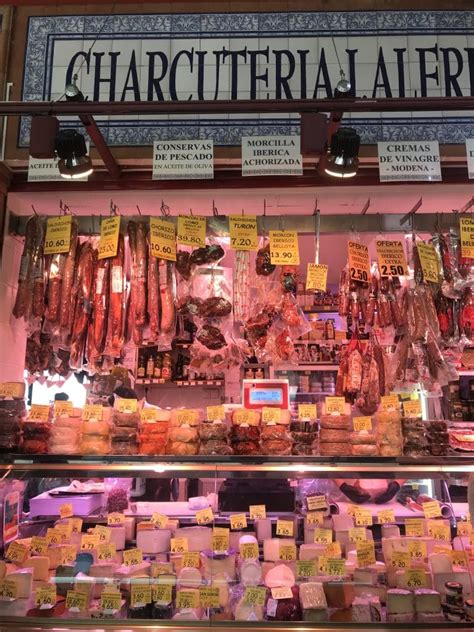
Embarking on a culinary adventure is one of life’s greatest pleasures, especially when you stumble upon a truly authentic local foodie find. But how do you translate that ephemeral experience – the sizzling sound, the aromatic steam, the vibrant colors – into a captivating visual that tells its story? Capturing the true essence of ‘on-the-go’ local food requires a blend of quick thinking, a keen eye, and a respectful approach. This guide will help you elevate your food photography, ensuring your visual memories are as rich and flavorful as the dishes themselves.
Embrace the Hunt: Finding Your Culinary Canvas
Authentic foodie finds often hide in plain sight – down bustling alleyways, in vibrant markets, or at unassuming street stalls. The first step to capturing them is to be present and observant. Ditch the tourist traps and seek out where the locals eat. Engage with vendors, ask for recommendations, and don’t be afraid to venture off the beaten path. Look for scenes that tell a story: the hands preparing the food, the raw ingredients, the local patrons enjoying their meals. These elements add depth and context to your photographs, making them more than just a picture of food.
Before you even lift your camera, take a moment to absorb the atmosphere. What makes this place unique? Is it the vibrant colors of fresh produce, the rustic charm of a family-run eatery, or the dynamic energy of a street food vendor? Identifying these unique characteristics will guide your visual narrative and help you frame shots that speak volumes about the local culture.

Mastering the Shot: Light, Angle, and Composition
Good lighting is paramount in food photography, and on the go, natural light is your best friend. Seek out shaded areas near windows or outdoors, avoiding direct harsh sunlight which can create unflattering shadows and blown-out highlights. Overcast days are ideal, offering soft, diffused light that makes food look appetizing. If you’re indoors with limited natural light, position the dish near the brightest available source, perhaps using a white napkin or menu as a makeshift reflector to bounce light back onto the food.
Experiment with angles. A top-down ‘flat lay’ can work well for a spread of dishes or a single, beautifully arranged plate. Eye-level shots convey intimacy, making the viewer feel like they’re about to take a bite. Get in close to highlight textures and details, like the crispiness of fried chicken or the glossy sheen of a sauce. Remember the rule of thirds: place your subject off-center for a more dynamic and engaging composition. Leading lines, like the edge of a table or a row of ingredients, can draw the viewer’s eye towards your main subject.
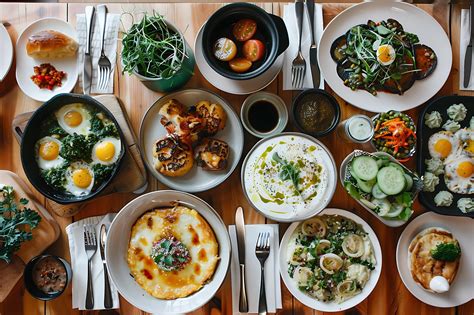
Don’t forget the background. A busy, distracting background can detract from your food. Look for clean, simple backdrops that complement the dish without overpowering it. Sometimes, blurring the background (a shallow depth of field) can effectively isolate your subject and make it pop, a feature now readily available even on most smartphones.
Storytelling Beyond the Plate: Capturing Authenticity
Authentic food photography isn’t just about the food itself; it’s about the entire experience surrounding it. Include elements that tell a story: the hands of a chef preparing a dish, the steam rising from a bowl, the bustling environment of a market, or even the smiling face of a vendor. These human elements and environmental details ground your photos in reality and give them a sense of place. Look for candid moments rather than overly staged ones to truly capture the spontaneity and genuine character of the local scene.
Focus on details that evoke the senses. The glistening fat on a piece of grilled meat, the delicate folds of a dumpling, the vibrant spices in a curry – these close-ups can communicate flavor and texture more powerfully than a wide shot. Capture the ‘before and after’ if possible: the raw ingredients transforming into a delicious meal. This narrative approach builds a stronger connection between your audience and the culinary journey.
Tools of the Trade: Gear and Quick Edits
You don’t need professional gear to capture stunning food photos. Modern smartphones are incredibly capable, especially with their advanced camera features and computational photography. Make sure your lens is clean! For those with dedicated cameras, a prime lens (like a 50mm) often works wonders for food photography due to its ability to create beautiful bokeh and sharpness. A small, portable tripod can be useful for low-light situations or for getting perfectly stable flat lays, though often unnecessary for quick, on-the-go shots.
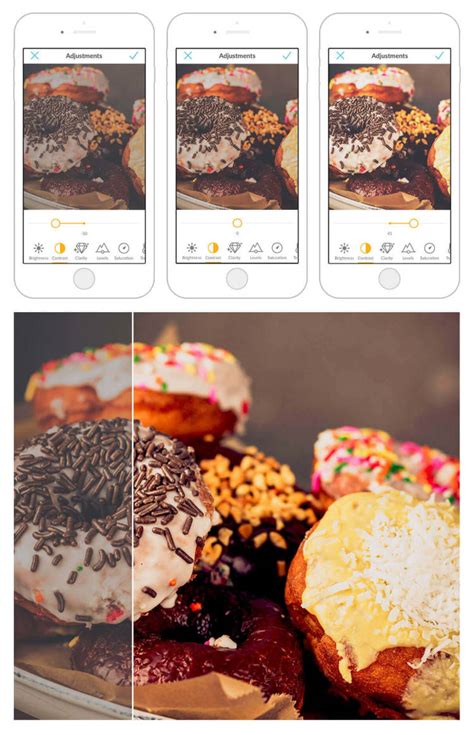
Quick edits on your phone can dramatically enhance your images. Apps like Adobe Lightroom Mobile, Snapseed, or even your phone’s built-in editor offer powerful tools. Focus on adjusting exposure, contrast, white balance (to make colors accurate), and sharpness. A slight boost in saturation can make food pop, but be careful not to overdo it and make it look unnatural. Cropping can also refine your composition and remove distracting elements. The goal is to enhance, not to transform, the natural beauty of the food.
Respect and Immersion: The Ethical Foodie Photographer
Finally, remember that you are a guest in someone else’s culture. Always be respectful when taking photos, especially of people or their food. A quick smile and a gesture asking for permission (if appropriate) go a long way. Be quick and discreet; your priority should be to enjoy the food and the experience, not to conduct a full-blown photoshoot. Don’t let your camera get in the way of genuine interaction or detract from the authenticity of the moment. If a place is particularly busy, be mindful of other patrons and the staff.
Sometimes, the most authentic ‘capture’ is not through a lens, but through your senses. Savor the flavors, appreciate the atmosphere, and let the memories imprint directly on your mind. The act of sharing these experiences, both visually and through your anecdotes, enriches your travel and connects you more deeply to the places you visit. Your genuine enthusiasm for the food and culture will shine through in your images, making them truly authentic.
Conclusion: Taste, Capture, Share
Visually capturing authentic local foodie finds on the go is an art that blends observation, technical skill, and cultural sensitivity. By focusing on natural light, compelling composition, and the broader story of the food and its environment, you can create images that are not just beautiful, but also deeply resonant. So, next time you’re exploring a new destination, keep these tips in mind, and let your camera become a powerful tool for sharing the delicious adventures you uncover.