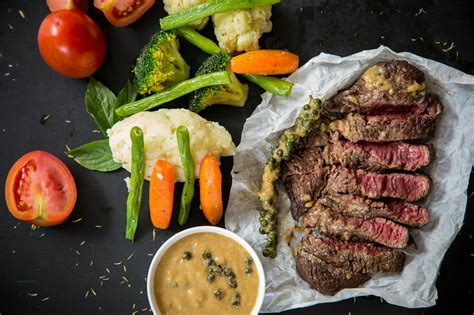
How to visually capture authentic local street food for amazing foodie feeds?
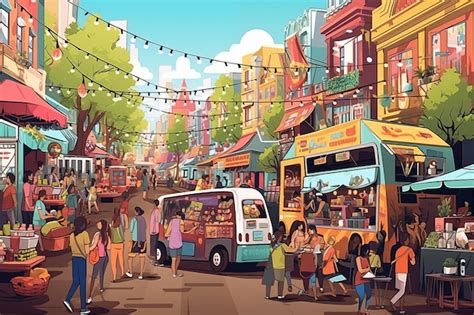
The Allure of Authentic Street Food Photography
Street food is more than just a meal; it’s a sensory experience, a cultural immersion, and a story waiting to be told. For food adventurers and social media enthusiasts, capturing the true essence of these local culinary treasures can elevate a simple post into an irresistible foodie feed. But how do you go beyond a quick snap to truly convey the authenticity, flavor, and vibrant atmosphere? It all starts with intention and a few tried-and-true photography principles.
To create compelling visuals that make your audience feel like they’re right there with you, savoring every bite, you need to think about more than just the food itself. Consider the environment, the people, and the story unfolding around each dish.
Mastering Light and Composition for Impact
The secret to great street food photography often lies in harnessing natural light. Harsh midday sun can create unflattering shadows, so try to shoot during the ‘golden hour’ (shortly after sunrise or before sunset) for soft, warm light that makes food glow. If that’s not possible, look for shaded areas or use nearby buildings to diffuse direct sunlight. Pay attention to how the light falls on your subject; a little backlight can beautifully highlight textures and steam.
Composition is equally critical. Don’t just place the food in the center of your frame. Experiment with the rule of thirds, placing your main subject off-center for a more dynamic image. Get close to capture intricate details and textures, but also pull back for wider shots that show the bustling environment or the hands of the cook at work. Vary your angles – shoot from above (flat lay), eye-level, or even a low angle to make a dish look more imposing.

Storytelling Through Details and Context
Authenticity in street food photography comes from capturing the narrative. It’s not just about the final plate; it’s about the journey. Show the chef skillfully preparing the dish, the steam rising from a wok, the vibrant colors of fresh ingredients, or the genuine smiles of locals enjoying their meal. These details add depth and life to your photos, making them more relatable and engaging.
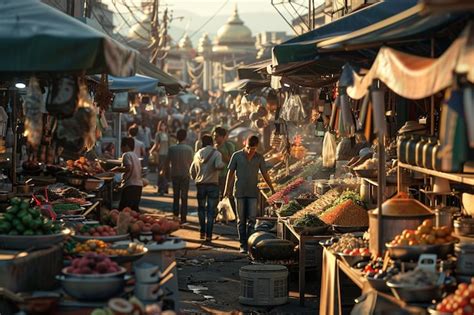
Incorporate elements of the local environment. A rustic food cart, unique signage, a busy crowd, or traditional cooking utensils can provide valuable context and amplify the cultural story. These background elements transform a generic food photo into a distinct memory of a specific place and time.
Practical Tips for Stunning Visuals
Whether you’re using a smartphone or a DSLR, a few technical tips can significantly improve your results. Always ensure your lens is clean – fingerprints and smudges can drastically reduce image quality. Keep your shots steady; use two hands or lean against something stable to avoid blur. For smartphone users, tap to focus on the food and adjust exposure by sliding your finger up or down on the screen.
Don’t be afraid to take multiple shots from different angles and compositions. You can always delete the less successful ones later. A little post-processing can go a long way. Adjusting brightness, contrast, and saturation can make colors pop and bring out details, but avoid over-editing to maintain the authentic look.

Respectful and Ethical Photography
Finally, remember that you are a guest in someone else’s culinary world. Always be respectful and mindful. If you’re photographing a vendor, it’s polite to ask permission, even with a gesture. Consider purchasing food from them as a token of appreciation. Be quick and discreet so you don’t disrupt their business or the dining experience of others. A little courtesy goes a long way in fostering good will and capturing genuine moments.
By combining technical skill with cultural sensitivity, you can create a portfolio of street food images that not only look delicious but also tell a captivating story. Your foodie feeds will thank you, and your followers will be craving their next adventure.