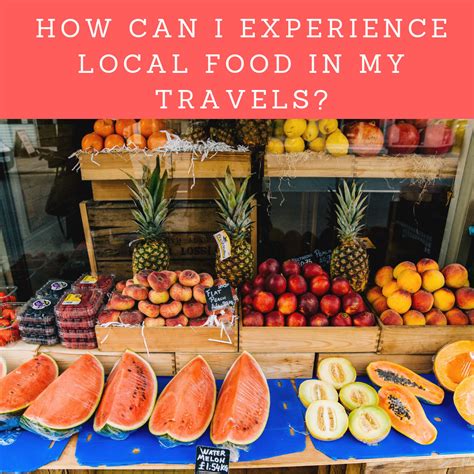
How to visually capture vibrant, authentic food adventure dishes?
The Art of Capturing Culinary Journeys
Food adventures are a feast for all senses, but visually documenting them can be particularly challenging. How do you translate the intoxicating aromas, the burst of flavors, and the cultural context of a street food stall or a Michelin-starred restaurant into a single, compelling photograph? The goal isn’t just to snap a picture of a plate; it’s to convey the vibrancy, the authenticity, and the very soul of the dish and its surroundings. This guide will walk you through essential techniques to ensure your food adventure photos are as rich and memorable as the experiences themselves.
Embrace the Power of Natural Light
The single most crucial element in food photography, especially when traveling, is light. Natural light is your best friend for making food look vibrant and appealing. Avoid direct overhead flash, which often flattens the dish and creates harsh shadows. Instead, seek out soft, diffused light, typically found near windows or in open-air settings.
- Side Lighting: Position the dish so that light comes from the side. This creates depth and highlights textures beautifully.
- Backlighting: When light comes from behind the dish, it can create a beautiful rim light, especially effective for translucent elements or steam. Just be careful not to overexpose.
- Overcast Skies: A cloudy day is a food photographer’s dream, providing a giant natural softbox that bathes everything in even, gentle light.
Master Composition and Storytelling
A great food photo tells a story. It’s not just about the dish; it’s about the context, the environment, and the experience. Think about what elements can enhance the narrative without cluttering the frame.
- Angles Matter: Experiment with different perspectives. A 45-degree angle often works well for showing the dish’s depth, while a top-down (flat lay) shot is excellent for showcasing multiple elements or intricate plating.
- Backgrounds and Props: Use your surroundings. A rustic wooden table, a colorful tablecloth, or even blurry market activity in the background can add authenticity. Subtle props like local cutlery, a beverage, or a chef’s hands can enrich the story.
- Rule of Thirds: Place your main subject off-center for a more dynamic and engaging composition.
Highlight Textures and Details
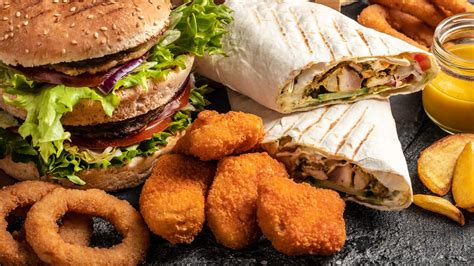
Authentic food often has incredible textures – the crispiness of fried chicken, the gooeyness of melted cheese, the glistening sauce on a slow-cooked stew. These details are key to making a dish look appetizing and real.
Get in close to capture these intricate details. Use a shallow depth of field to keep the focus on a specific area, blurring out distractions. Don’t forget to capture steam rising from a hot dish, as it adds an immediate sense of freshness and warmth. Focus on the freshest ingredients, the herbs, and the spices that make the dish unique.
Subtle Enhancements in Post-Processing
While natural light and good composition are paramount, a touch of post-processing can elevate your images. The key is subtlety – you want to enhance, not distort, the authenticity.
- White Balance: Correcting white balance ensures that whites are truly white and colors are accurate.
- Contrast and Clarity: A slight boost can make textures pop without looking artificial.
- Saturation and Vibrancy: Use these sparingly to make colors richer, but avoid over-saturating to the point where the food looks unnatural.
- Sharpening: A subtle sharpen can add crispness to your images.
Beyond the Plate: Capturing the Experience
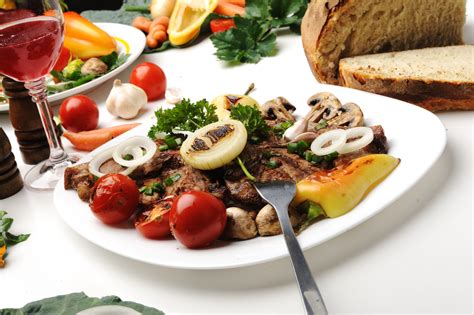
Remember that a food adventure is more than just the food itself. It’s about the people who prepare it, the place where it’s served, and the atmosphere surrounding it. Include shots of chefs at work, bustling markets, the dining environment, or even your fellow adventurers enjoying their meals. These images add invaluable context and help paint a complete picture of your culinary journey.
By focusing on light, thoughtful composition, intricate details, and a nuanced approach to enhancement, you can transform your food adventure dishes into visually stunning narratives that truly capture their vibrant and authentic essence. So next time you embark on a culinary exploration, remember these tips and let your camera tell the delicious story.