How to visually elevate everyday real food meals for maximum appeal?

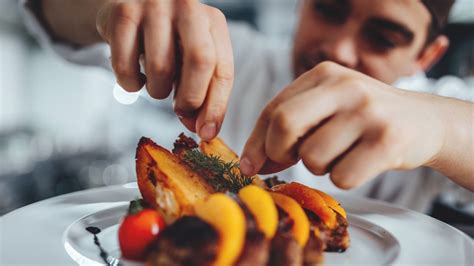
In an age where food photography dominates social media, it’s clear that we eat first with our eyes. While gourmet chefs spend years perfecting the art of presentation, you don’t need a Michelin star to make your everyday, real food meals look incredibly appealing. Elevating the visual aesthetics of your dishes can significantly enhance your dining experience, making healthy eating more enjoyable and satisfying. Let’s explore practical ways to make your wholesome meals look as good as they taste.
The Power of Color and Contrast
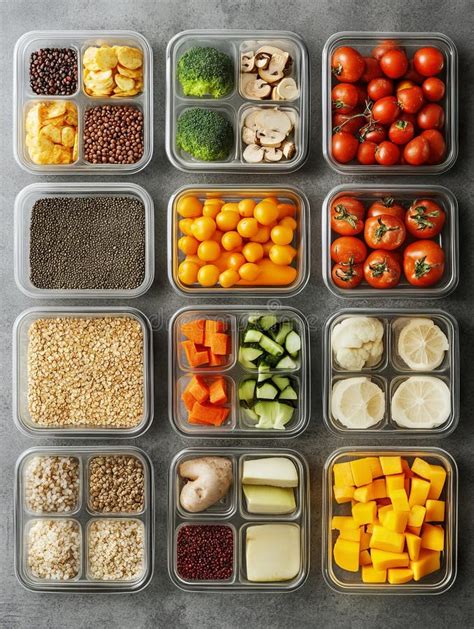
One of the easiest ways to make a dish pop is by incorporating a vibrant spectrum of colors. Think beyond monochromatic plates. A meal rich in diverse hues often signifies a wider range of nutrients. Aim for a mix of reds, greens, yellows, and purples to create a feast for the eyes.
For example, adding brightly colored bell peppers, cherry tomatoes, or a sprinkle of fresh herbs can instantly brighten a dish. Contrast is also key; pairing dark greens with a creamy white sauce or a bright orange carrot purée against a dark protein can create visual interest and depth.

Mastering Texture Variety
Visual appeal isn’t just about color; texture plays a crucial role too. A meal with varying textures is more engaging and satisfying to eat. Imagine a crunchy element like toasted nuts or croutons alongside something creamy like avocado or a soft piece of fish.
Ensure your plate features a mix of soft, crispy, smooth, and chewy components. This not only makes the meal more enjoyable to eat but also adds visual intrigue, making diners want to explore every bite.
Thoughtful Arrangement and Plating
How you arrange food on the plate can transform a simple meal into an artful presentation. Instead of haphazardly piling ingredients, take a moment to compose your dish. Consider using the ‘rule of thirds’ or creating a focal point.
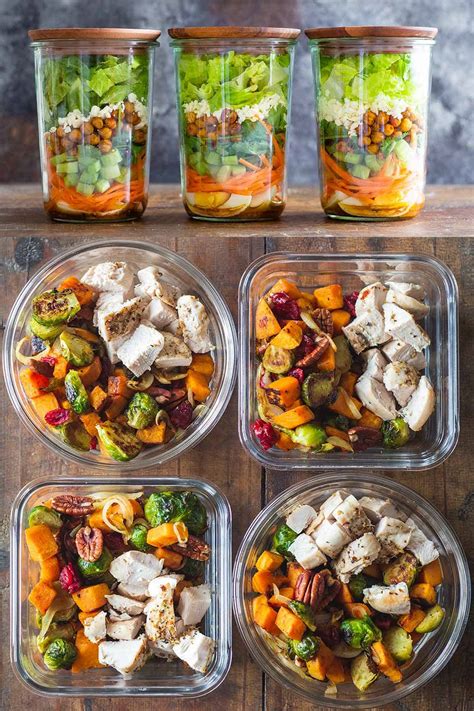
Techniques like stacking ingredients (e.g., a protein atop a bed of grains, with vegetables artfully arranged around), creating height, and leaving some negative space on the plate can make your meal look more sophisticated and curated. Aim for a balanced and harmonious composition.

The Magic of Garnishes
A simple garnish can be the finishing touch that elevates a meal from good to gourmet. Fresh herbs like parsley, cilantro, or chives, a sprinkle of sesame seeds, a drizzle of high-quality olive oil, a squeeze of lemon, or even a few chili flakes can add a burst of color, freshness, and sophisticated detail.
Garnishes not only enhance visual appeal but often contribute to the aroma and flavor profile of the dish, creating a multi-sensory experience.
The Importance of Dishware and Background
The canvas on which you present your food is just as important as the food itself. Simple, neutral-colored plates (white, black, or earthy tones) often allow the colors of your food to stand out. Consider the shape and size of your plates, too; shallow, wide bowls or flat plates can offer more surface area for artful arrangement.
If you’re taking photos, pay attention to the background. A clean, uncluttered surface, a wooden table, or a simple tablecloth can complement your food without distracting from it.

Consider the Lighting
While not directly about plating, good lighting significantly impacts how appealing your food looks, especially if you’re sharing photos. Natural, diffused light is always best. Avoid harsh overhead lights, which can cast unflattering shadows.
Even if you’re not photographing your meal, dining in a well-lit environment allows you to fully appreciate the visual efforts you’ve put into your food, enhancing the overall dining experience.
Making your everyday real food meals visually stunning doesn’t require complex techniques or expensive ingredients. It’s about paying attention to details: color, texture, arrangement, and thoughtful garnishes. By incorporating these simple steps into your routine, you can transform your meals from mere sustenance into an enjoyable and appealing experience for all your senses.