How to visually gauge doneness for perfectly seared proteins?
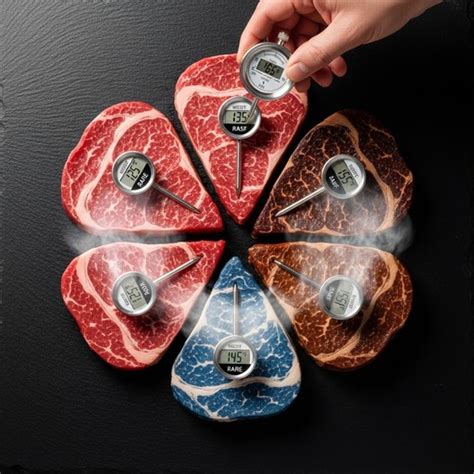
Mastering Doneness Through Sight
Achieving a perfectly seared protein—whether it’s a succulent steak, tender chicken breast, or flaky fish fillet—is a culinary triumph. While thermometers offer precision, developing a keen eye for visual cues is a fundamental skill that allows for quick assessment and confident cooking. Learning to interpret the subtle changes in color, texture, and the flow of juices can transform your cooking from guesswork to mastery.
The Universal Principles of Visual Doneness
Regardless of the protein, certain visual indicators provide a roadmap to doneness. As proteins cook, their muscle fibers contract, pushing out moisture and changing their internal and external appearance. A properly seared exterior, known as the Maillard reaction, creates a rich, flavorful crust, but it’s the interior that tells the true story of doneness.
Beef and Steak: A Spectrum of Perfection
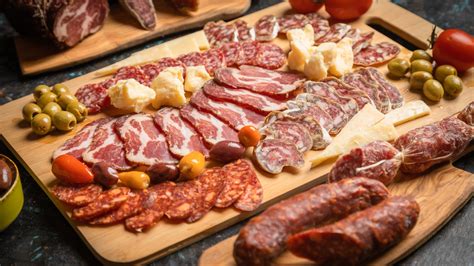
Steak doneness is perhaps the most nuanced, ranging from rare to well-done, each with distinct visual markers:
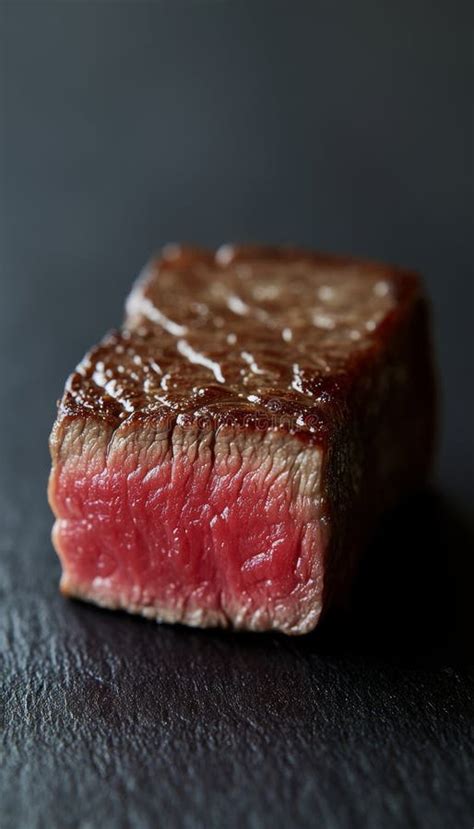
- Rare: A cool red center, very moist. The exterior will be seared brown, but the interior will show minimal cooking.
- Medium-Rare: A warm red center. This is often considered the ideal doneness for many cuts, offering a perfect balance of tenderness and flavor. The meat will feel tender but have some resistance when pressed.
- Medium: A warm pink center. Less red than medium-rare, with a firmer feel. Juices will be mostly clear with a slight pink tint.
- Medium-Well: Slightly pink in the center. The meat will feel quite firm to the touch.
- Well-Done: No pink, completely grey-brown throughout. Very firm. While some prefer this, it can result in drier meat.
Observe the juices: raw meat has red myoglobin. As it cooks, the myoglobin changes color. Pinkish juices indicate rare to medium, while clear juices often signify medium-well to well-done. Also, look for the ‘doming’ effect; as a steak cooks, its center often rises slightly.
Chicken: Clear Signals of Safety and Flavor
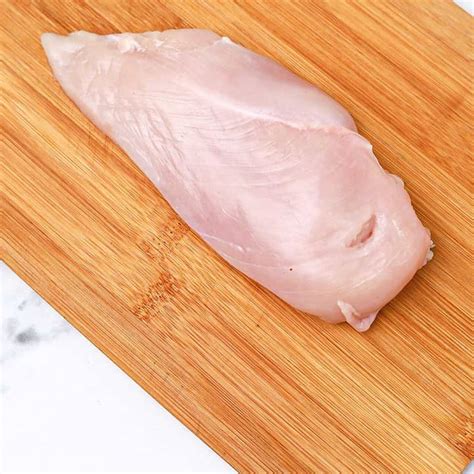
Unlike beef, chicken must be cooked thoroughly for safety, meaning no pink meat should remain. Visual cues for cooked chicken include:
- Opaque Flesh: The meat should be uniformly white or off-white throughout, with no translucent or pink areas.
- Clear Juices: Pierce the thickest part of the chicken with a knife or skewer. The juices that run out should be completely clear, not cloudy or pink.
- Firm to the Touch: Cooked chicken will feel firm but still springy when pressed, not rubbery or hard.
Overcooked chicken can be dry and stringy, so aiming for just cooked through is key. A beautiful golden-brown sear on the outside adds flavor and texture.
Fish and Seafood: Flaky and Opaque Perfection
Fish and seafood cook much faster than meat and can dry out quickly if overcooked. The visual indicators are distinct:
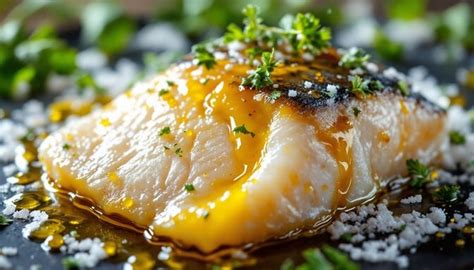
- Flakiness: When gently probed with a fork at its thickest point, cooked fish will easily flake along its natural muscle lines. It should separate into moist, tender sections.
- Opaqueness: The flesh of raw fish is often translucent or shiny. As it cooks, it becomes opaque (white, off-white, or beige, depending on the species) throughout. There should be no raw, translucent areas in the center.
- Shrimp and Scallops: These turn a vibrant pink-orange and become opaque. Scallops will develop a beautiful golden crust and become firm.
Always err on the side of undercooking slightly, as carryover cooking will continue the process even after removal from heat.
The Indispensable Role of Resting
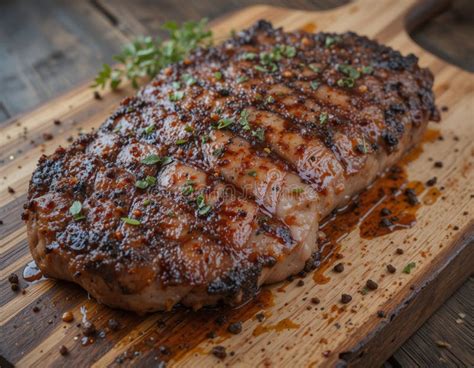
Once your protein appears visually done, resisting the urge to cut into it immediately is crucial. Resting allows the muscle fibers to relax and reabsorb the juices that have been pushed to the surface during cooking. This process, combined with ‘carryover cooking,’ means your protein will continue to cook slightly and become even more tender and moist. A good rule of thumb is to rest meat for 5-10 minutes, covered loosely with foil, for every inch of thickness.
Practice Makes Perfect
Developing a reliable visual gauge for protein doneness takes practice. Start by using a thermometer alongside your visual checks to calibrate your eye. Soon, you’ll be confidently searing proteins to perfection, relying on your senses alone. Remember, every piece of meat, fish, or poultry is unique, so paying close attention to its specific cues is the secret to culinary success.