How to visually gauge food safety for tempting street eats?
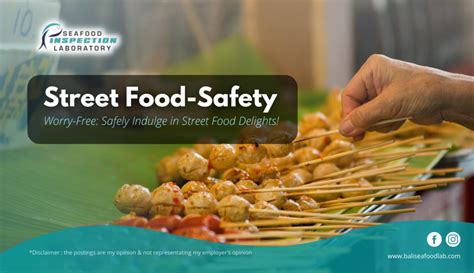
Street food offers an unparalleled gastronomic journey, a vibrant tapestry of local flavors and culinary traditions. From sizzling skewers to aromatic curries, the allure is undeniable. However, the open-air environment and transient nature of many street stalls can sometimes raise concerns about food safety. While you can’t see germs, your eyes are your most powerful tool for a preliminary safety check. Learning to visually gauge food safety can help you enjoy these tempting treats with greater confidence.
The Vendor & Stall: First Impressions Matter
Your initial assessment should begin with the vendor and their immediate workspace. Observe the vendor’s personal hygiene: Are their hands clean? Do they wear gloves, and if so, are they changing them regularly, especially between handling raw and cooked food or money? A clean apron and general neatness are good signs. Next, scrutinize the stall itself. Look for cleanliness of surfaces, cooking utensils, and serving ware. Is there an organized system, or does it look haphazard and cluttered? The presence of flies, rodents, or other pests is a major red flag.

The Ingredients: Freshness You Can See
Fresh ingredients are fundamental to safe and delicious food. Take a moment to observe the raw ingredients on display. Are vegetables vibrant, crisp, and free from wilting or discoloration? Does meat and seafood look fresh, with natural colors and no off-putting smells or slimy textures? Ingredients that look like they’ve been sitting out for too long under the sun or in unchilled conditions should make you wary. A vendor who cycles through fresh ingredients quickly often indicates popularity and good practice.
Cooking Practices: Watch the Magic Happen Safely
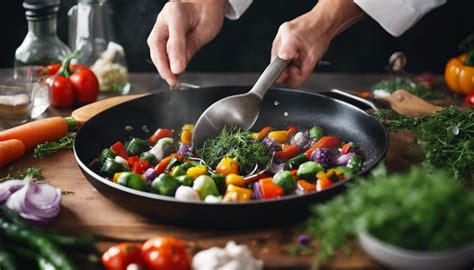
The cooking process itself offers crucial clues. Observe how the food is cooked. Is it cooked thoroughly, especially meats, poultry, and seafood? Look for signs of undercooking, like pink chicken or translucent fish. High-temperature cooking, like deep-frying or stir-frying, generally reduces pathogen risk. Also, notice if raw and cooked foods are handled separately to prevent cross-contamination. A good vendor will use different cutting boards or utensils for these tasks.
Temperature Control & Storage: Hot Stays Hot, Cold Stays Cold
One of the biggest culprits in foodborne illness is improper temperature control. Hot food should be kept steaming hot, ideally in heated display cases or constantly simmering pots. Cold food, such as salads, desserts, or ingredients like mayonnaise-based dressings, should be kept refrigerated or on ice. Food left at lukewarm temperatures for extended periods creates a breeding ground for bacteria. Additionally, observe how food is stored before and after cooking – is it covered to protect against dust, insects, and other contaminants?

The Environment: Beyond the Stall
The immediate surroundings of the street food stall also play a role. Is there a clean water source available for washing hands and utensils? How is waste managed – are garbage bins regularly emptied and covered? A generally clean environment around the stall suggests a vendor who cares about overall hygiene. While a bustling crowd might seem intimidating, a long queue can often be a good sign, indicating high turnover and fresh food.

Ultimately, your eyes are your first line of defense. By paying attention to these visual cues – the vendor’s hygiene, the freshness of ingredients, safe cooking practices, proper temperature control, and the cleanliness of the environment – you can significantly reduce your risk and maximize your enjoyment of the incredible world of street food. Trust your instincts; if something doesn’t look or feel right, it’s often best to err on the side of caution and find another tempting treat.