How to visually identify true local foodie gems abroad?

Embarking on a culinary journey abroad is one of the most enriching aspects of travel. While guidebook recommendations and online reviews can point you in the right direction, nothing beats the thrill of discovering an authentic, local eatery – a true foodie gem – by pure observation. These are often the places where tradition thrives, ingredients are freshest, and the prices are fair. But how do you spot them amidst the sea of tourist traps? It all comes down to keen visual observation and understanding subtle cultural cues.
Beyond the Tourist Trail: Spotting Authenticity
The first rule of thumb for finding genuine local food is to venture slightly off the main tourist avenues. Restaurants catering primarily to tourists often have bright, aggressive signage, multilingual menus prominently displayed outside, and staff actively trying to pull you in. While some can be decent, they rarely offer the deep dive into local culture that a true gem does.
Look for places where the signage is minimal, perhaps in the local language only, or even just a simple hand-painted board. The absence of flashy marketing is often a good indicator that their reputation relies on the food itself, not elaborate promotions.

The Local Crowd: Your Best Indicator
Perhaps the most powerful visual cue is the clientele. If a restaurant is bustling with locals, especially during peak meal times (which might differ from your own), you’re likely onto something good. Observe who is eating there – are they families, groups of friends, or solitary workers? Are they comfortably chatting in the local tongue? A dining room filled with locals suggests good food, fair prices, and an authentic experience.
Conversely, a restaurant with an empty dining room or one filled exclusively with other tourists during peak hours should raise a red flag. Local businesses thrive on repeat local customers, so their presence is a strong endorsement.
The Aesthetics of Authenticity: Simple Yet Telling
Exterior Clues:
- Unassuming Facade: True gems often have humble exteriors. They might be small, tucked away, or look like they haven’t been renovated in decades. This suggests longevity and a focus on what’s inside, rather than outward appearances.
- Specific, Limited Hours: Many authentic local eateries operate with very specific hours, often closing between lunch and dinner, or having particular days off. This isn’t about laziness; it’s often about meticulous preparation and family-run operations.
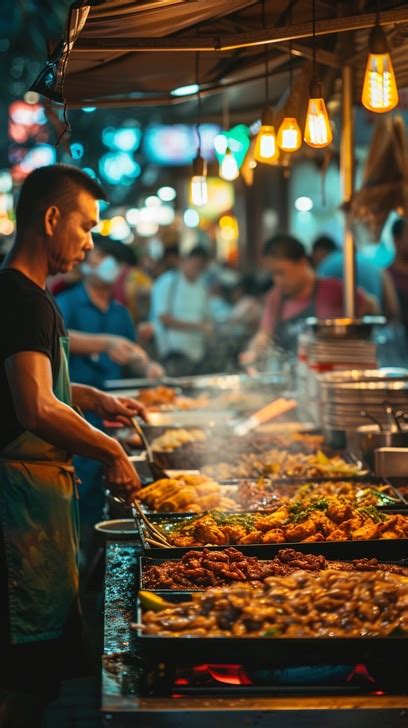
- The Smell: Take a deep breath. Can you smell delicious cooking wafting from the entrance or kitchen vents? The aroma of fresh spices, sizzling ingredients, or slow-cooked goodness is an undeniable magnet.
Interior Clues:
- No Frills Decor: Expect simple tables, chairs, and decor. The focus is on the food and the dining experience, not extravagant interior design. Sometimes, the decor itself tells a story, featuring local art, historical photos, or traditional crafts.
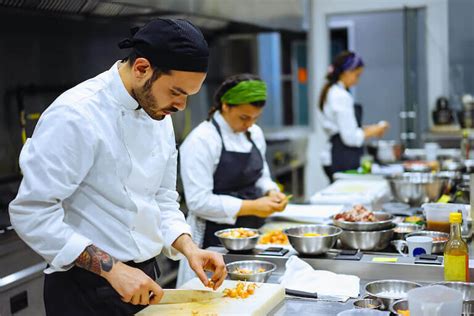
- Open Kitchens or Visible Prep: In many cultures, seeing the chefs at work, observing the fresh ingredients, or watching street food being prepared is part of the experience. Transparency often equates to freshness and quality.
- Limited, Focused Menu: A sign of true mastery is a short menu that focuses on a few dishes done exceptionally well. If a menu is overly extensive and offers everything under the sun, it can be a sign of a kitchen trying to cater to too many tastes, often at the expense of authenticity.
The Human Element: Staff & Interaction
Observe the staff. Are they genuinely engaged with their local customers? Do they seem proud of their food? While not all local places will have English-speaking staff, a warm demeanor and a focus on hospitality (even if communication is through gestures) can be a positive sign. Avoid places where staff are overly pushy or try too hard to lure you in from the street.
Also, look for signs of generational presence. Family-run establishments often have older family members overseeing operations, signifying passed-down recipes and traditions.

Contextual Cues: What Else Can You See?
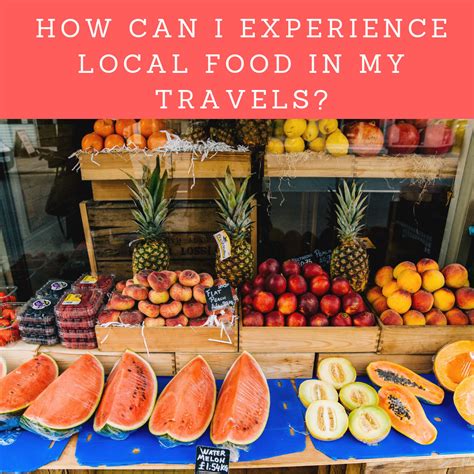
Pay attention to the broader environment. Is the restaurant located near a market where fresh produce is sold? This suggests they source local ingredients. Are there locals carrying takeout from the establishment? That’s another strong vote of confidence.
Notice the dishes being served. Are they specific to the region or season? Do you see a consistent dish on many tables? This often indicates a house specialty or a dish that’s particularly popular and well-executed.

Conclusion: Trust Your Eyes (and Nose!)
Unearthing true local foodie gems abroad is an art form that blends observation with intuition. By looking for bustling local crowds, unassuming facades, focused menus, and the general vibe of authenticity, you can significantly increase your chances of finding unforgettable culinary experiences. Don’t be afraid to venture down a side street or take a chance on a place that simply feels right. These visual cues are your compass to the heart of a destination’s gastronomic soul, promising not just a meal, but a genuine taste of culture.