How to visually plan and prep delicious, healthy meals for busy weekdays?
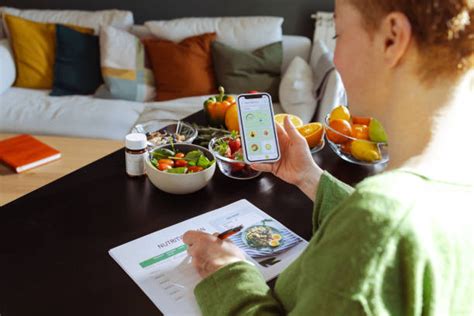
Unlock Effortless Healthy Eating with Visual Meal Planning
In the whirlwind of busy weekdays, maintaining a healthy diet often feels like an impossible feat. The siren call of takeout or pre-packaged foods becomes louder when time is scarce. However, with a strategic approach to visual meal planning and prepping, you can transform your kitchen into a hub of delicious, wholesome food, ready to fuel your week without the stress.
Visual planning isn’t just about pretty pictures; it’s a powerful tool that helps you see your week’s nourishment laid out, making decisions clearer, shopping lists more accurate, and prepping more efficient. It turns an abstract idea into a concrete, actionable plan.
The Power of Seeing Your Week’s Meals
Visual planning leverages the brain’s natural ability to process images more effectively than text. When you can literally ‘see’ your meals for the week, it reduces decision fatigue, minimizes food waste, and keeps you accountable to your healthy eating goals. Tools like whiteboards, digital planners, or even a simple notebook with sketches can become your best allies.
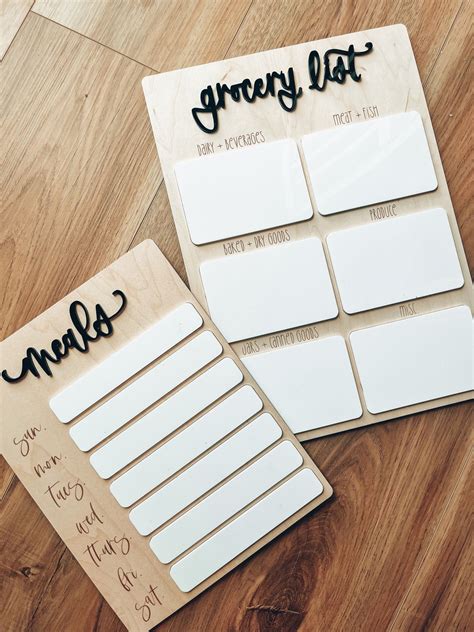
It helps you connect the dots between your grocery list, your available ingredients, and your daily nutritional needs. This bird’s-eye view ensures a balanced diet throughout the week and prevents those last-minute, less-than-healthy food choices.
Step 1: Inventory and Inspiration
Before diving into planning, take stock. What do you already have in your pantry, fridge, and freezer? Use up ingredients that are nearing their expiration date. Next, seek inspiration! Browse cookbooks, healthy food blogs, or Pinterest for recipes that excite you and align with your dietary preferences. Consider themes like ‘Meatless Mondays’ or ‘Taco Tuesdays’ to add variety and simplify decision-making.
Step 2: Crafting Your Weekly Menu (Visually!)
Now, it’s time to map out your week. Whether you use a whiteboard, a magnetic planner, or a digital template, assign specific meals to each day for breakfast, lunch, and dinner. Don’t forget healthy snacks! Use different colors for different meal types or food groups to add another layer of visual organization. This helps ensure a balanced intake of proteins, carbs, and healthy fats.
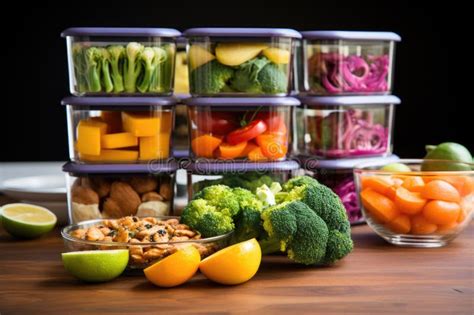
Think about ingredient overlap – can you use roasted chicken in both a salad for lunch and tacos for dinner? Batch cooking staples like grains (quinoa, brown rice) or roasted vegetables can save significant time later in the week.
Step 3: Smart Shopping & Efficient Prepping
Once your visual menu is complete, create a precise shopping list. Group items by grocery store section to make your trip quick and efficient. Dedicate a specific block of time – often a Sunday afternoon – for meal prepping. This is where your visual plan truly comes to life.
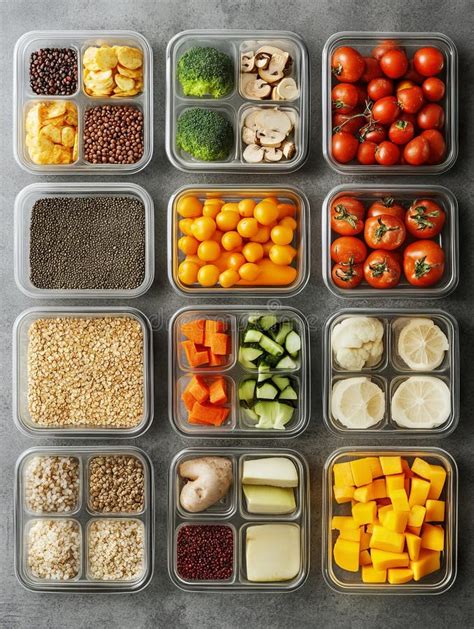
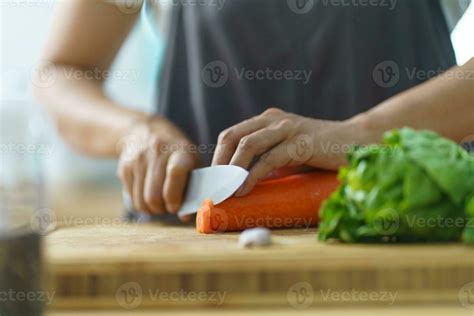
Chop all your vegetables, cook your grains, portion out proteins, and prepare any sauces or dressings. Store these components in separate, airtight containers. The goal is to have all the building blocks ready so that assembling a meal during a busy weekday takes mere minutes, not hours.
Step 4: Storage and Organization for Grab-and-Go Meals
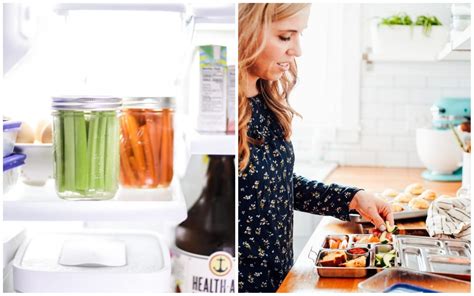
Proper storage is crucial for maintaining freshness and convenience. Invest in good quality, stackable containers – ideally glass or BPA-free plastic. Label your containers with the meal and date, especially for items you might freeze. Organize your fridge so that prepped components and complete meals are easily accessible.
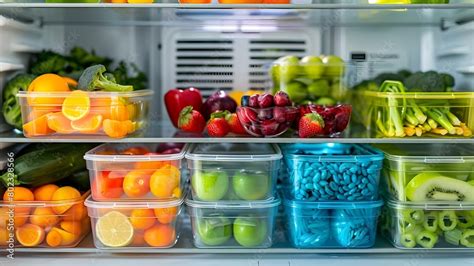
For example, have your breakfast components (overnight oats, pre-portioned smoothie ingredients) visible, and lunch containers ready to grab as you head out the door. This visual availability makes healthy choices the default, rather than an effort.
Tips for Success and Sustainability
- Start Small: Don’t try to prep every single meal for the entire week on your first try. Begin with just lunches or dinners.
- Be Flexible: Life happens. If your plan needs to shift, allow for it. The goal is progress, not perfection.
- Involve the Family: Get everyone involved in choosing meals and even helping with prep. It makes the process more enjoyable and sustainable.
- Track What Works: Keep a journal or notes on recipes you loved, what stored well, and what you’d like to change next time.
Embracing visual meal planning and prepping is more than just a kitchen hack; it’s a lifestyle adjustment that empowers you to take control of your nutrition, save time and money, and reduce stress. By seeing your healthy week unfold before your eyes, you’re not just preparing food; you’re preparing for success.