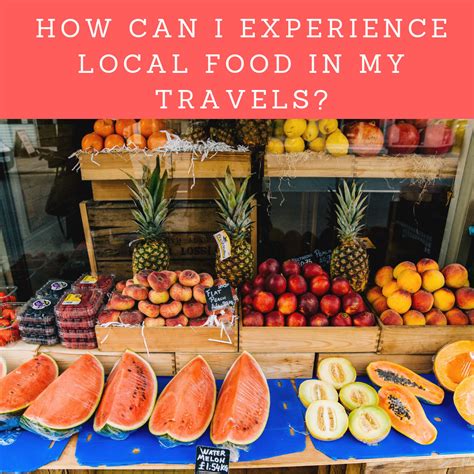
How to visually scout authentic local food spots, avoiding tourist traps?
The Quest for Genuine Flavors: Beyond the Postcard Views
One of the greatest joys of traveling is immersing yourself in the local culture, and nowhere is this more profoundly experienced than through its food. Yet, the pursuit of authentic local cuisine can often feel like navigating a minefield of brightly lit, overly enthusiastic establishments designed solely to catch the eye of unsuspecting tourists. How do you distinguish between a genuine culinary gem beloved by locals and a cleverly disguised tourist trap? The answer lies in keen observation and understanding subtle visual cues.
The Power of Observation: Looking Beyond the Facade
Before you even glance at a menu, take a moment to absorb the atmosphere. True local spots often have a certain unpretentiousness about them. They prioritize good food and efficient service over flashy decor or elaborate marketing. Look at the people inside: are they dressed like locals, perhaps on their lunch break or enjoying an evening meal with family, or do they predominantly carry cameras and guidebooks?
Pay attention to the signage and the menu display. Authentic eateries often have menus written primarily in the local language, possibly with a small, hand-written English translation if they cater to some non-local clientele. Menus that are laminated, multilingual with excessive photos of every dish, or feature generic international fare alongside a few ‘local’ items are often red flags.

The decor itself can be telling. Is it overly themed or decorated with cliched cultural artifacts? Or does it possess a simple, functional charm, perhaps a bit worn around the edges, suggesting years of dedicated service to its community? Sometimes, the most unassuming places yield the most memorable meals.
Spotting the Locals: Your Best Indicator
The most reliable visual cue is the clientele. If a restaurant is packed with locals, especially during peak meal times, it’s a strong indicator of quality and authenticity. Observe their interactions: are they relaxed, laughing, and seemingly regulars? This communal energy speaks volumes. If you hear more of the local language spoken than your own, you’re likely on the right track.

Don’t be afraid to queue! A line of locals waiting patiently, even if it’s just for a street food stall, is almost a guarantee of deliciousness. Locals rarely queue for mediocre food, especially when there are countless other options available. Their patience is your promise of a rewarding culinary experience.
Decoding the Menu and Pricing
Beyond language, examine the size and specialization of the menu. Authentic local establishments often specialize in a narrower range of dishes, executed perfectly. They focus on fresh, seasonal ingredients and traditional recipes. A menu that’s excessively long and covers every possible type of cuisine is a warning sign that they might not excel at any of them.

Pricing also plays a role. While you might occasionally find a hidden gem that’s surprisingly cheap, extremely inflated prices for seemingly simple dishes, especially compared to other similar local eateries, are a definite indicator of a tourist premium. Compare prices with nearby establishments or even local grocery stores to get a sense of fair value.
Location, Location, (Not) Attraction
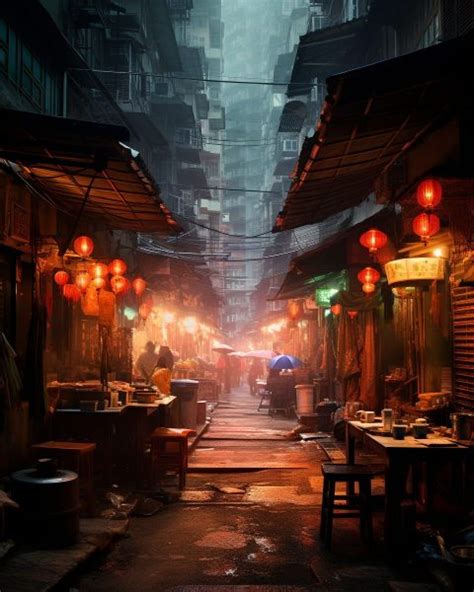
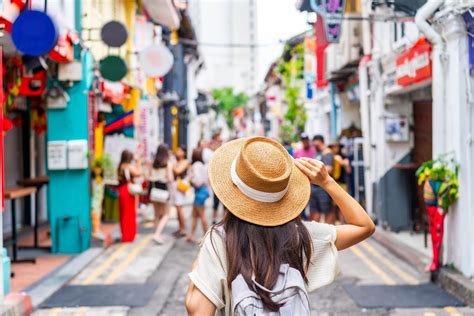
Think about where authentic local life happens. It’s often not on the main squares or immediately adjacent to major tourist attractions. Venture a few blocks off the main tourist drag, down a side street, or into a local neighborhood. These areas are typically where you’ll find eateries catering to the daily needs and tastes of residents, not transient visitors.
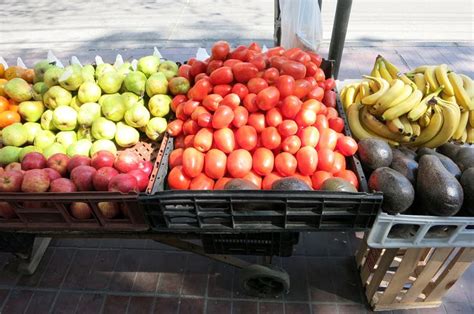
Markets, especially bustling fresh food markets, are also goldmines. Many markets host incredible food stalls or small, unassuming restaurants that serve incredibly fresh, seasonal, and authentic dishes. The proximity to raw ingredients ensures quality, and the high turnover guarantees freshness.
Red Flags: What to Avoid
To summarize, be wary of places with staff outside actively trying to pull you in, especially if they speak multiple languages and promise the ‘best’ or ‘most authentic’ experience. Restaurants with large, glossy, multi-page menus featuring generic stock photos of food are often catering to the lowest common denominator.
Also, if a restaurant primarily advertises ‘international cuisine’ alongside a token local dish, it’s likely playing it safe rather than celebrating genuine local flavors. And finally, trust your gut: if a place feels too polished, too quiet for its prime location, or just a bit ‘off,’ it probably is.
Embrace the Adventure
Scouting for authentic local food is an adventure in itself. By sharpening your observational skills and paying attention to these visual cues, you’ll significantly increase your chances of discovering those hidden culinary treasures that truly define a destination. So, put down the guidebook, look up, and let your eyes guide you to your next unforgettable meal.