How to visually scout authentic local food spots for amazing foodie photos?
For many food enthusiasts, the quest for authentic local cuisine is as vital as the meal itself. But how do you discern a genuine hidden gem from a tourist trap, especially when the goal is to capture incredible, story-telling foodie photos? The secret lies in honing your visual scouting skills before even stepping foot inside.
The Exterior: Your First Visual Clues
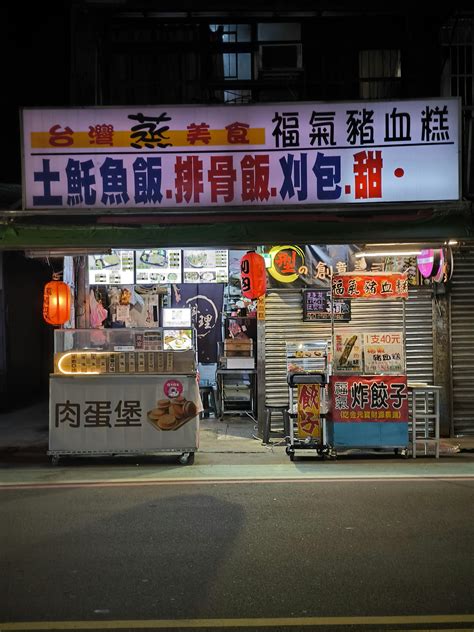
Begin your search by observing the street. Authentic local eateries often don’t scream for attention with flashy signs or English menus. Look for subtle indicators: a crowd of locals chatting outside, bikes and scooters parked haphazardly, or a worn but well-loved facade that blends into the neighborhood rather than standing out.
Often, the best spots have unpretentious exteriors, perhaps a handwritten sign in the local language, or simple, faded paint. These are signs of a place focused on its food and community, not on drawing transient tourists. Pay attention to the age and character of the building; older establishments often carry a legacy of authentic flavors.
Inside Out: Observing the Interior and Patrons
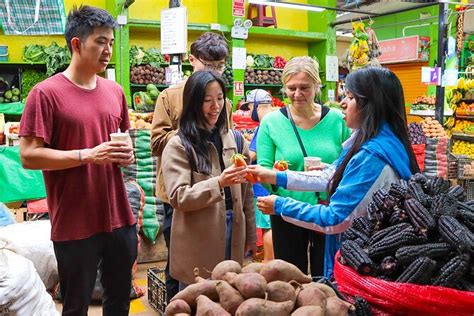
Before committing, take a moment to peek through windows or just inside the doorway. Who are the patrons? If the place is bustling primarily with locals – families, elders, workers on their lunch break – you’re likely on the right track. A good sign is also seeing staff interact warmly and familiarly with regular customers.
The interior decor, much like the exterior, tends to be simple, functional, and reflective of local culture rather than generic modern design. Look for communal tables, open kitchens where you can glimpse traditional cooking methods, or just a general sense of lived-in comfort. The atmosphere should feel genuine and unforced.
Menu Musings and Aromatic Adventures
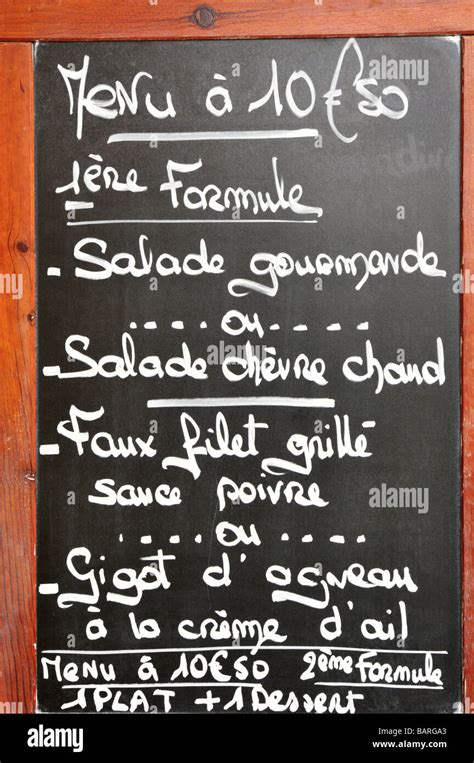
Once you’ve narrowed down your choices, examine the menu – if one is even readily available. A limited menu, especially one focusing on a few specialty dishes, often indicates mastery and freshness. If it’s only in the local language, that’s another strong indicator of authenticity (though many places catering to tourists now offer translated menus). Sometimes, the menu is simply what’s cooked that day, written on a whiteboard.
Don’t underestimate the power of smell. As you pass by, what aromas waft out? Distinctive spices, slow-cooked meats, or fresh herbs unique to the local cuisine are excellent harbingers of a true culinary experience. These sensory cues build anticipation and confirm you’re in for something genuine.
The Art of the Authentic Foodie Photo
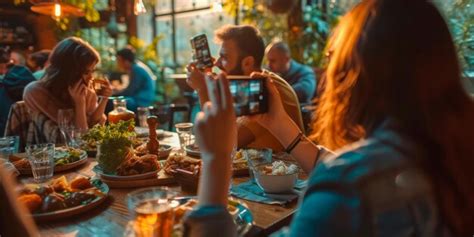
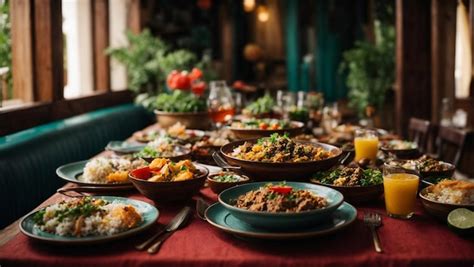
Having successfully scouted your spot, the next step is capturing its essence. Natural light is your best friend. Choose a table near a window or outdoors if possible. Observe how the light falls on your dish before you even touch it. Don’t be afraid to move your plate slightly for the perfect angle. Focus on capturing the textures, colors, and unique presentation of the food.
Beyond the dish itself, your photos should tell the story of the place. Include elements of the local decor, the vibrant atmosphere, or even the hands preparing the food (with permission). A wide shot showcasing the setting, followed by close-ups of the food, creates a richer narrative. Remember to be quick and respectful; the goal is to enhance the experience, not disrupt it.

Engage and Respect the Local Vibe
Finally, remember that you are a guest in someone else’s culinary space. Be polite, patient, and try to engage with the staff, even if it’s just with a smile. Sometimes, asking for recommendations or simply showing genuine interest can lead to an even more authentic experience and better photo opportunities. Your visual scouting skills combined with respectful interaction will not only lead you to incredible food but also to unforgettable foodie photos that truly reflect the heart of local culture.