How to visually spot hidden authentic local eateries & avoid tourist traps?
Unlock True Flavor: The Art of Spotting Authentic Local Eateries
For any true food adventurer, the quest for authentic local cuisine is paramount. Skipping the tourist traps and finding where the locals truly eat isn’t just about saving money; it’s about experiencing the heart and soul of a culture through its food. This guide will equip you with the visual cues and strategic observations needed to uncover those hidden culinary gems.

Exterior Clues: What to Look for from the Street
Before you even step inside, the exterior of an establishment can tell you a great deal. Authentic local spots often have a certain unpretentious charm.
- Crowd Composition: The most significant indicator is who is eating there. If you see mostly locals – families, workers on lunch breaks, older residents – it’s a good sign. A restaurant teeming with tourists, especially those with cameras and guidebooks, is usually a red flag.
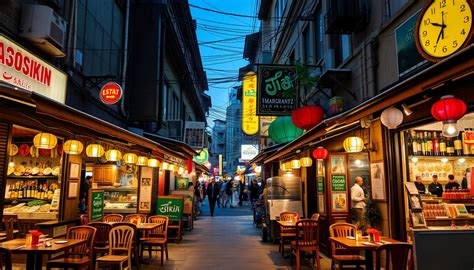
- Signage and Language: Look for menus predominantly in the local language, perhaps with handwritten additions or daily specials. Multilingual menus with glossy photos and flags from every country often cater to an international, less discerning palate. Worn, faded signs or a simple, understated facade can also signal a long-standing, beloved local institution.
- Location, Location, Location: While not a hard and fast rule, truly authentic spots are often found slightly off the main thoroughfares, down a side street, or in a less polished neighborhood. Prime tourist real estate usually means inflated prices and diluted authenticity.
Inside Scoop: Observing the Interior and Atmosphere
Once you’ve peered inside, pay attention to these visual and atmospheric elements.
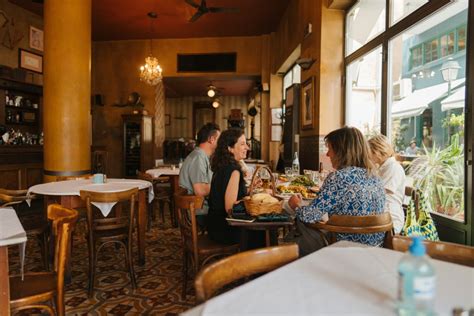
- Simple Decor & Functionality: Genuine local eateries prioritize food quality over lavish decor. Expect clean, functional, perhaps even slightly dated interiors rather than trendy, overly designed spaces. The focus is on the dining experience itself, not the instagrammability of the surroundings.
- Bustle and Noise: A lively, sometimes noisy atmosphere filled with local chatter is a great sign. This indicates popular, well-loved food. Conversely, a quiet, empty restaurant during peak hours (especially if neighboring places are busy) should raise suspicions.
- Menu Specificity: Authentic places often have a more focused menu, specializing in a few local dishes done exceptionally well. If the menu is extensive, covering many different cuisines, or has generic ‘international’ options, it’s likely trying to appeal to a broad tourist base rather than master specific local flavors.

The Ultimate Test: Patrons, Plates, and Pacing
Ultimately, observing what others are eating and how they’re enjoying it provides the best clues.
- Plate Peeking: Discreetly observe the dishes being served. Do they look vibrant, fresh, and appealing? Are they generous portions? Do they resemble the food you’ve seen locals eating elsewhere, like at markets or street stalls? If every plate looks identical or overly processed, reconsider.
- Eating Habits: Watch how the locals interact with their food. Are they savoring it, sharing dishes, or eating with gusto? This non-verbal communication speaks volumes about the quality and authenticity of the cuisine.
- Pacing of Service: In many local cultures, dining is an experience to be savored. Service might be efficient but not necessarily rushed. Tourist traps, on the other hand, often aim for quick turnover.
Red Flags: Spotting the Tourist Traps
Conversely, some visual cues scream ‘tourist trap’ from a mile away:
- Aggressive Touts: Restaurants with staff standing outside trying to pull you in are almost always places to avoid. Good food speaks for itself.
- Obvious ‘Deals’: Set menus or ‘special deals’ advertised in multiple languages with large, flashy signs often mean lower quality, mass-produced food at inflated prices.
- Souvenir Shops Inside: If a restaurant doubles as a souvenir shop or has racks of tourist merchandise, it’s probably more interested in your wallet than your palate.
- Generic Offerings: A menu that features pizza, pasta, burgers, and ‘local specialties’ that look suspiciously similar to what you’d find anywhere else is a sign of a culinary compromise.
Embark on Your Culinary Quest
By honing your observational skills and trusting your instincts, you can elevate your food adventures from generic meals to unforgettable culinary discoveries. Seek out the buzz of local chatter, the simplicity of a well-loved facade, and the tantalizing aroma of authentic dishes. Your taste buds will thank you for venturing off the beaten path.