How to visually tell if pasta is perfectly al dente, not mushy?

Achieving perfectly al dente pasta is a culinary sweet spot – that delightful resistance to the bite, a far cry from soggy, mushy noodles. While many cooks rely solely on the taste test, several visual cues can help you determine if your pasta is just right, often before it even hits your plate. Mastering these visual indicators is a game-changer for consistently excellent pasta dishes.
The Elusive “Al Dente” Texture
The Italian phrase “al dente” literally translates to “to the tooth,” signifying a pasta that is firm to the bite, yet still cooked through. It should offer a pleasant resistance, a slight chewiness, without being hard, chalky, or raw in the center. Conversely, mushy pasta is soft, limp, often sticky, and lacks any textural integrity. The goal is to avoid both undercooked firmness and overcooked flaccidness.
Key Visual Cues for Perfectly Cooked Pasta
1. The Translucent Edge and Opaque Center (The White Dot Test)
This is perhaps the most classic visual test. Carefully remove a piece of pasta from the boiling water, let it cool for a second, and then break it in half. For perfectly al dente pasta, you should observe:
- A slightly translucent outer ring: This indicates the starch on the exterior has gelatinized and cooked through.
- A tiny, pinprick-sized white dot or very thin white line at its absolute center: This minute core of uncooked starch signifies that the pasta is firm but not raw. It will finish cooking with residual heat and when tossed with sauce.
If the white dot is large and chalky, your pasta is still undercooked. If there’s no white dot at all and the pasta is uniformly translucent, it’s likely overcooked and will be mushy.
2. Uniformity and Shape Retention
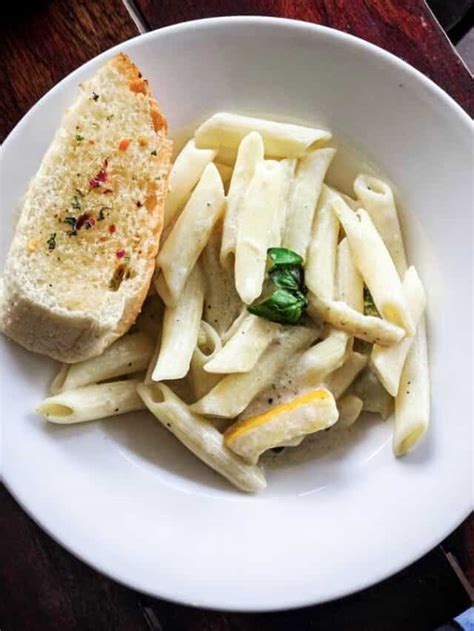
Al dente pasta will beautifully maintain its original shape. It shouldn’t appear bloated, swollen, or misshapen. Long strands like spaghetti or linguine should be straight but pliable, not easily broken from being too soft. Shaped pasta, such as penne, fusilli, or farfalle, should hold its ridges, spirals, and intricate forms well.
Mushy pasta, on the other hand, often looks swollen, loses its distinct form, and can appear slumped or flattened. It may also clump together excessively due to an over-release of starch.
3. Surface Sheen and Stickiness
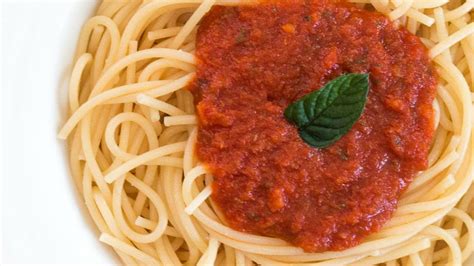
Perfectly cooked al dente pasta should have a subtle, healthy sheen to its surface. It should feel relatively smooth, but not overly slippery or slimy. Crucially, it should not be excessively sticky to the touch or clump together immediately after draining. Overcooked pasta tends to release too much starch, leading to a gummy, sticky texture that makes it hard to separate and coat with sauce.
4. The Bend Test (with Visual Confirmation)
While this incorporates a tactile element, it begins with a visual assessment. Take a long strand of pasta (like spaghetti) and attempt to bend it. Al dente pasta should bend significantly without immediately snapping, indicating flexibility and pliability, yet still offer a definite resistance. If it snaps cleanly with no bend, it’s likely undercooked. If it simply folds without any resistance or tears easily, it’s probably overcooked.
Tips for Achieving and Maintaining Al Dente Perfection
- Follow Package Instructions (as a guide): Use the minimum cooking time indicated on the package as your starting point, as these times are often for al dente.
- Use Plenty of Water: Cook pasta in a large pot with ample boiling, salted water. This allows the pasta to cook evenly and prevents it from sticking together.
- Taste Test (The Ultimate Confirmation): Always taste a piece a minute or two before the suggested cooking time, relying on your senses of taste and texture to confirm.
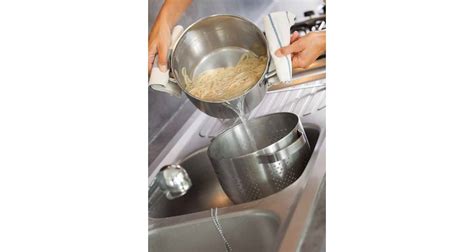
- Drain and Sauce Immediately: Pasta continues to cook with residual heat after draining. To stop the cooking process and integrate flavors, toss it with your prepared sauce immediately.
- Reserve Pasta Water: The starchy pasta water is a chef’s secret weapon. A ladleful added to your sauce can help emulsify it, creating a glossy, well-coated pasta dish.
Conclusion
By understanding and practicing these visual cues – from the subtle white dot in the cross-section to the pasta’s overall shape and sheen – you’ll become adept at identifying perfectly al dente pasta. This mastery will elevate your home cooking, ensuring every dish boasts that satisfying, firm chew that defines truly great pasta.