Ingredient swaps: how to maintain visual appeal & flavor balance?
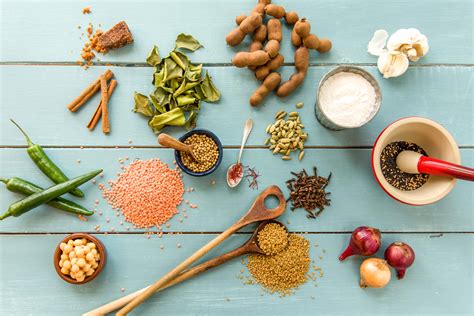
Ingredient swaps are a common practice in the kitchen, driven by dietary needs, availability, personal preference, or simply a desire to experiment. While the freedom to adapt recipes is empowering, the challenge lies in ensuring that these changes don’t compromise the dish’s overall appeal. A successful swap maintains both its visual allure and its intended flavor profile. This guide will walk you through the essential considerations for making smart substitutions.

The Dual Challenge: Sight and Taste
Every ingredient plays a role, contributing not just taste but also color, texture, and aroma. When you swap an ingredient, you’re not just replacing a flavor note; you’re potentially altering the entire sensory experience. The goal is to make informed decisions that respect the original intent of the recipe while still achieving your desired outcome.
Visual Appeal: A Feast for the Eyes
Before the first bite, a dish is judged by its appearance. Color, texture, and shape are paramount. Consider these aspects when making substitutions:
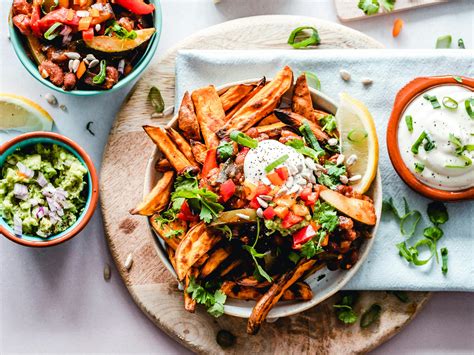
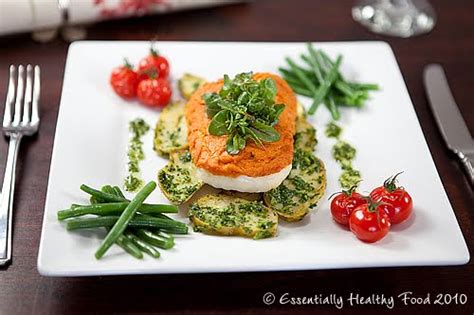
- Color: A vibrant red bell pepper swapped for a green one might subtly change the dish’s aesthetic. Spinach offers a deep green, while kale provides a heartier, often darker hue. Think about how the new ingredient’s color will blend or contrast with others.
- Texture: Replacing crunchy celery with softer zucchini will significantly alter the mouthfeel. Diced potatoes offer a different texture than mashed. Evaluate if the new texture complements the dish or creates an unwanted contrast.
- Shape and Size: Substituting finely diced onions for roughly chopped ones can change how the ingredient integrates into the dish, both visually and texturally.

Flavor Balance: Harmony on the Palate
Flavor is the heart of any dish, and maintaining its balance during swaps requires a keen understanding of culinary chemistry. Consider the five basic tastes—sweet, sour, salty, bitter, and umami—and how your substitution impacts them:
- Matching Flavor Profiles: If a recipe calls for a sweet element, replace it with another sweet element (e.g., maple syrup for honey). For savory ingredients, consider similar umami bombs (e.g., mushrooms for anchovies in some contexts).
- Intensity and Pungency: Garlic has a strong, pungent flavor. If you swap it for shallots, you’ll get a milder, sweeter oniony note. Adjust quantities accordingly to achieve a similar intensity.
- Acidity: Lemon juice adds brightness and acidity. If using vinegar as a substitute, choose one with a similar acidity level and complementary flavor profile (e.g., white wine vinegar for lemon in savory dishes).
- Moisture Content: Some ingredients contribute significant moisture. Swapping a high-moisture vegetable for a dry one might require adjusting liquid quantities in the recipe.
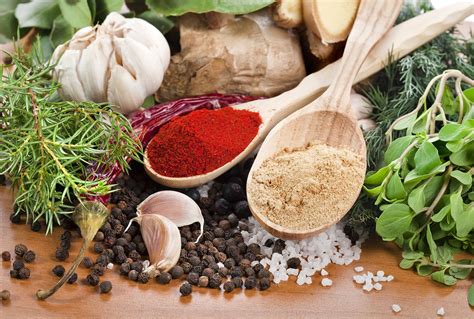
Practical Strategies for Successful Swaps
Making effective ingredient swaps is a skill developed through practice and a few key strategies:
- Understand the Ingredient’s Role: Is it a primary flavor, a thickener, a binding agent, or a textural component? Knowing its function helps you find a suitable replacement. For example, cornstarch is a thickener; flour or arrowroot powder could be alternatives.
- Start Small and Taste Often: When in doubt, introduce the substitute in smaller quantities than the original and taste as you go. You can always add more, but you can’t take it out.
- Research Reliable Substitutions: Many online resources and cookbooks offer tried-and-true substitution lists. These can be a great starting point, especially for common items like dairy or gluten-free alternatives.
- Consider the “Spirit” of the Dish: Sometimes, an exact replication isn’t necessary. If you’re making a rustic stew, a slightly different texture from a vegetable swap might be acceptable. For delicate pastries, precision is often key.
- Don’t Be Afraid to Experiment: Culinary creativity often springs from trying new combinations. Keep notes on what worked and what didn’t to build your own repertoire of successful swaps.
Successful ingredient swaps are a hallmark of an adaptable and confident cook. By paying close attention to both the visual characteristics and the flavor dynamics of your ingredients, you can confidently modify recipes without sacrificing quality. Embrace the challenge, trust your palate, and enjoy the endless possibilities that ingredient substitution offers to elevate your cooking.