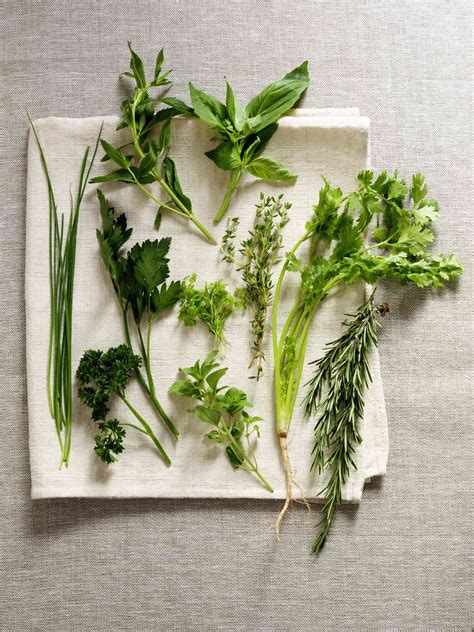
Keep fresh herbs vibrant for gorgeous foodie dishes & less waste?

There’s nothing quite like the burst of fresh flavor that herbs bring to a dish. From aromatic basil in a Caprese salad to bright cilantro in a taco, they elevate ordinary meals into gourmet experiences. However, the joy of fresh herbs is often short-lived. All too frequently, we buy a vibrant bunch only to find it wilted, browned, and destined for the compost bin just a few days later. This common kitchen dilemma not only leads to wasted food but also wasted money. But what if there was a way to keep your fresh herbs vibrant, extending their life and ensuring every leaf contributes to a gorgeous foodie creation?
Understanding the Enemy: Why Fresh Herbs Wilt
The primary reason fresh herbs lose their vitality so quickly is moisture loss. Once cut from their parent plant, they no longer have a root system to draw water and nutrients. Their delicate leaves and stems rapidly transpire, releasing water into the air, especially in a dry refrigerator environment. Without proper care, they quickly dehydrate, becoming limp, discolored, and flavorless.
The Golden Rules of Herb Preservation
Before diving into specific methods, remember these general principles:
- Minimize Exposure to Air: Air, especially dry air, is the enemy.
- Maintain a Cool, but Not Freeing, Temperature: Most herbs thrive in refrigeration.
- Manage Moisture: Some need direct water, others just humidity.
- Gentle Handling: Bruised leaves decay faster.
Method 1: The “Bouquet” or Water Jar Technique (Best for most leafy herbs)
This method works wonders for herbs like parsley, cilantro, dill, mint, and even chives. Treat them like a bouquet of flowers:
- Trim Stems: Snip about an inch off the bottom of the stems.
- Water Bath: Place the trimmed stems into a glass jar or cup with about an inch of water, ensuring only the stems are submerged.
- Cover & Refrigerate: Loosely cover the herbs and jar with a plastic bag (like a produce bag) to create a mini-greenhouse effect. Place the setup in the refrigerator.
- Change Water: Change the water every 1-2 days to prevent bacterial growth.
Special Note for Basil: Basil is a bit finicky with cold. It prefers room temperature. Use the same bouquet method, but leave it on your countertop, away from direct sunlight, and cover loosely with a bag or plastic wrap. Only refrigerate if your kitchen is very warm or you need it to last longer than a few days, but be aware it might brown slightly.
Method 2: The “Damp Paper Towel” Roll (Ideal for more tender or delicate herbs)
This technique is excellent for delicate herbs like tarragon, chives, or even smaller batches of parsley or cilantro when fridge space is tight.
- Wash & Dry: Gently wash your herbs and dry them thoroughly with a salad spinner or by patting them with paper towels. Excess moisture encourages decay.
- Wrap Them Up: Lay the herbs in a single layer on a slightly damp paper towel.
- Roll & Store: Roll the paper towel tightly around the herbs. Place the wrapped roll into a sealed plastic bag or an airtight container.
- Refrigerate: Store in the crisper drawer of your refrigerator. Check the paper towel periodically and re-dampen if it feels dry.
Method 3: Freezing for Long-Term Flavor
When you have an abundance of herbs or want to preserve their flavor for future cooking, freezing is an excellent option. While the texture might change slightly, the flavor will remain potent, perfect for soups, stews, sauces, and marinades.
- Chopped & Cubed: Finely chop herbs (like parsley, cilantro, dill, chives). Pack them into ice cube trays. Pour olive oil or water over them until just covered. Freeze until solid, then transfer the cubes to an airtight freezer bag for easy access. Pop a cube directly into your cooking!
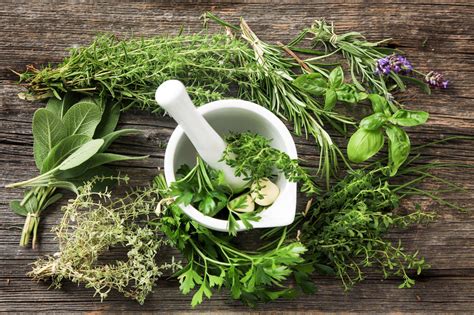
- Whole Leaves: For sturdier herbs like rosemary, thyme, or oregano, you can simply remove the leaves from the stems and flash freeze them on a baking sheet before transferring to a freezer bag. They’ll be ready to crumble directly into dishes.
Reviving Wilted Herbs: A Quick Fix
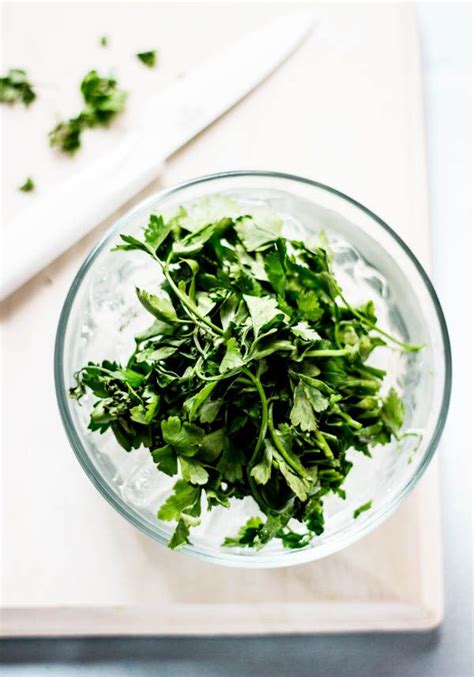
If your herbs are just starting to look a little limp but aren’t yet brown or slimy, you might be able to revive them. Trim the bottoms of the stems and place them in a bowl of ice water for 15-30 minutes. This “shock treatment” can help them rehydrate and perk up, making them usable for your dishes.
Beyond Storage: Tips for Less Waste
- Buy Mindfully: Only purchase the amount of herbs you realistically expect to use within a week or two.
- Utilize Stems: Don’t throw away stems! Cilantro, parsley, and even dill stems are packed with flavor. Chop them finely and add them to sauces, stocks, or stir-fries.
- Grow Your Own: A small indoor herb garden or a few pots on a windowsill mean you can snip exactly what you need, when you need it, ensuring peak freshness and zero waste.
- Meal Prep with Herbs: Plan your meals around your herb supply to use them up efficiently.

Embrace Freshness, Minimize Waste
Keeping fresh herbs vibrant doesn’t have to be a culinary challenge. By understanding their needs and applying these simple storage techniques, you can significantly extend their life, ensure they bring maximum flavor to your foodie dishes, and make a real dent in your kitchen waste. So go ahead, buy that beautiful bunch of basil or a generous bundle of cilantro – armed with these tips, you’ll be enjoying their lively essence for days to come!