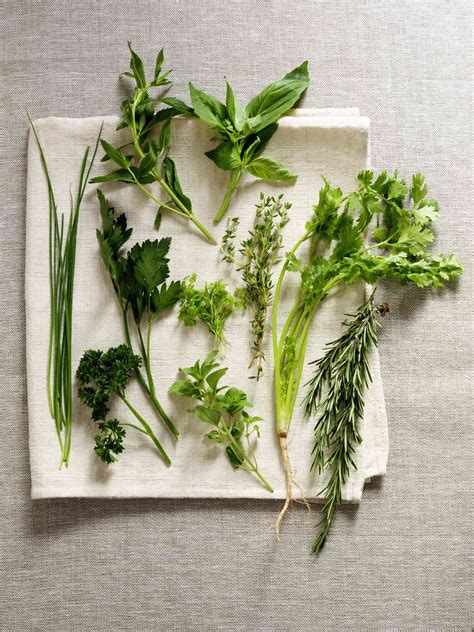
Keep fresh herbs vibrant for plating?
Fresh herbs are more than just a flavor enhancer; they are the vibrant jewels that elevate a dish from good to gourmet, adding essential color, texture, and aroma. However, maintaining their perky, bright appearance until the moment of plating can be a challenge. Wilting, browning, or dull herbs can detract from an otherwise beautifully prepared meal. Fortunately, with a few simple techniques, you can ensure your fresh garnishes always look their best.
The Secret Starts with Selection and Immediate Care
The longevity of your herbs begins at the point of purchase. Always choose herbs that are bright in color, firm to the touch, and free from any yellowing, dark spots, or wilting. Avoid bundles that appear damp or slimy. Once home, immediate and gentle care is paramount. Wash your herbs only if they are visibly dirty and you plan to use them immediately. For storage, it’s generally better to wash them just before use.
If you do wash them, do so gently under cool running water or by submerging them in a bowl of cool water and swirling. The most crucial step afterwards is thorough drying. Excess moisture is the enemy of fresh herbs, promoting decay. Use a salad spinner or carefully pat them dry with paper towels until they are almost completely moisture-free. This simple step dramatically extends their vibrant life.
Optimal Storage Methods for Peak Vibrancy
Different herbs thrive under different storage conditions, but two primary methods cover most varieties:
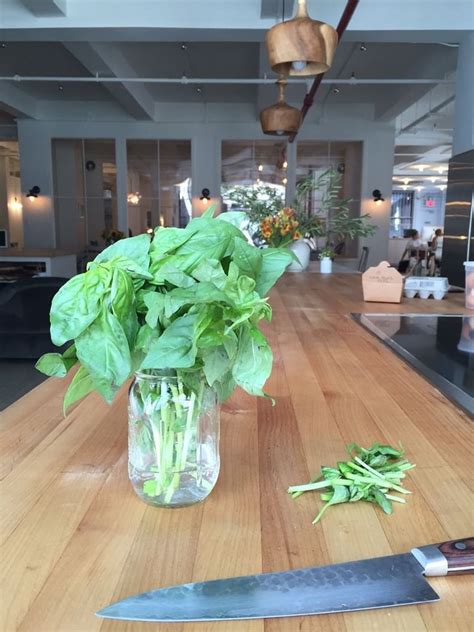
- The Bouquet Method (for hardier herbs): This technique works wonders for herbs like parsley, cilantro, dill, mint, and chives. Trim a small amount off the bottom of the stems, much like you would a bouquet of flowers. Place them stem-down in a glass or jar with about an inch of fresh, cool water. Loosely cover the herbs with a plastic bag (a produce bag works well) to create a humid environment, then store them in the refrigerator. Change the water every day or two.
- The Damp Paper Towel Method (for tender herbs): Basil, a notoriously fickle herb, often prefers this method, though it can also work for others. Lightly dampen a few paper towels. Lay the herbs flat on the paper towels, then gently roll them up. Place the rolled herbs inside a plastic bag or an airtight container before refrigerating. The slight moisture from the paper towel keeps them hydrated without being saturated.
For basil, some experts even suggest leaving it at room temperature, away from direct sunlight, using the bouquet method, as cold can sometimes blacken its delicate leaves. Experiment to see what works best in your climate.

Reviving Wilting Wonders: A Quick Fix
Even with the best storage, sometimes herbs can look a bit droopy. Don’t despair! A quick ice water bath can often bring them back to life. Submerge wilted herbs (especially those like parsley, cilantro, or mint) in a bowl of ice-cold water for 15-30 minutes. The cold water helps the plant cells rehydrate and regain their crispness. Once revived, dry them thoroughly before use or storage.
This revitalization technique is particularly effective for herbs you plan to use immediately for plating, as it quickly restores their perky appearance. Remember that this is a temporary fix, and for best results, proper storage is key from the outset.
Prepping for Perfection: The Final Steps Before Plating
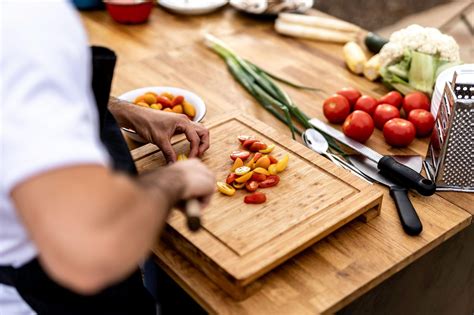
Timing is everything when it comes to plating with fresh herbs. Chop, snip, or tear your herbs just before you’re ready to use them. Pre-chopping can cause herbs to lose their essential oils, flavor, and vibrant color more quickly due to exposure to air and oxidation.
Use a very sharp knife or kitchen shears to prevent bruising the delicate leaves. Bruised herbs release bitter compounds and quickly turn dark. For delicate garnishes, a gentle tearing action can sometimes be preferable to chopping, especially for herbs like basil, to minimize damage and preserve their natural shape. Always add herbs to your dish at the very last moment before serving to ensure maximum freshness and visual appeal.
Tips for a Stunning Garnish
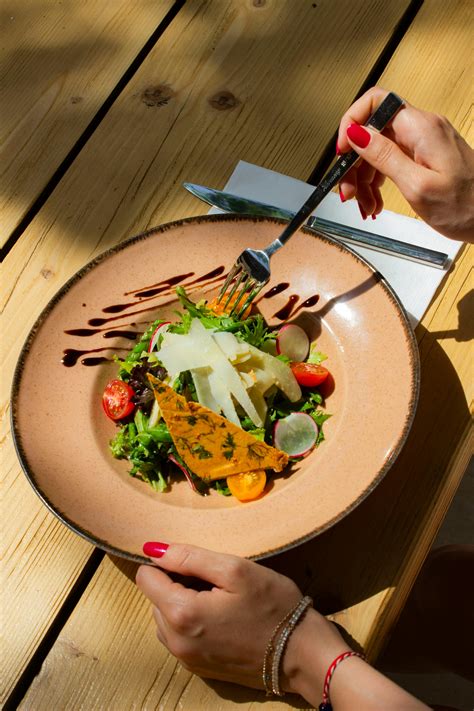
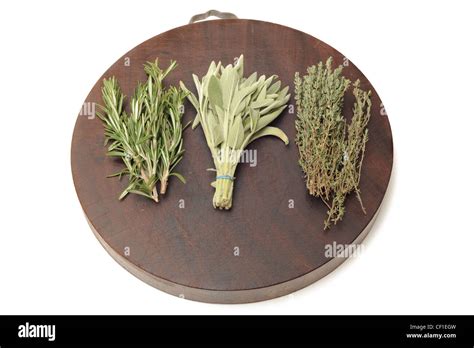
When it comes to plating, consider the balance. A light sprinkle of finely chopped chives, a delicate sprig of dill, or a few artfully placed basil leaves can transform a dish. Think about complementary colors and textures. Green herbs against a contrasting background often pop beautifully. Don’t overdo it – a subtle touch is usually more impactful than a mountain of greens.
By following these simple guidelines for selection, storage, revival, and last-minute preparation, you can ensure your fresh herbs remain a vibrant, appealing component of your culinary masterpieces, ready to impress with every plate.