Keep fresh herbs vibrant longer for stunning, gourmet plates?
Fresh herbs are the secret weapon of any home cook aspiring to gourmet plates. Their vibrant colors, aromatic fragrances, and potent flavors elevate even the simplest dishes. However, maintaining their vitality can be a challenge. Too often, we buy a bunch of basil or cilantro only to find it wilted and browned within a few days. But what if you could significantly extend their freshness, ensuring every dish gets that professional, vibrant touch?
Understanding Herb Types: Tender vs. Hardy
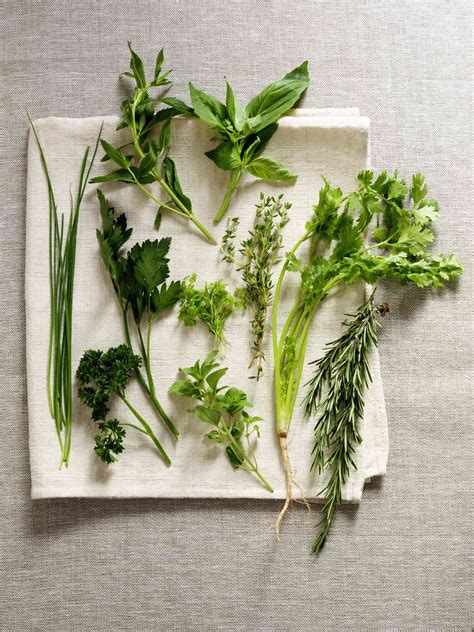
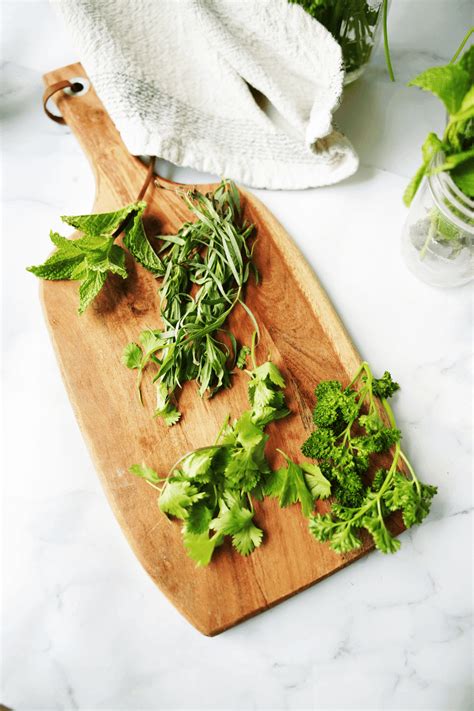
The key to successful herb storage lies in understanding their fundamental differences. Herbs generally fall into two categories: tender and hardy. Tender herbs, like basil, cilantro, parsley, mint, tarragon, and dill, have soft stems and delicate leaves. They are often more susceptible to wilting and need gentle care.
Hardy herbs, such as rosemary, thyme, oregano, and sage, possess woody stems and more robust leaves. These varieties are generally more resilient but still benefit from proper storage to maintain their aromatic oils and crisp texture.
Best Storage Practices for Tender Herbs
For tender herbs, the “bouquet” method is often the most effective. Trim about half an inch off the bottom of the stems, just as you would with fresh flowers. Remove any leaves that would sit below the water line. Place the herb stems into a glass jar or vase with about an inch of fresh water. Cover the leaves loosely with a plastic bag – a produce bag works perfectly – and store them on your countertop (for basil, which dislikes cold) or in the refrigerator (for parsley, cilantro, and mint).
Change the water every day or two to prevent bacterial growth. This method allows the herbs to continue drawing water, keeping their leaves plump and vibrant for up to a week or even longer.
Optimal Storage for Hardy Herbs
Hardy herbs prefer a slightly different approach. While they can tolerate the water method, a damp paper towel in an airtight container often works best. Wash the herbs gently under cool running water and pat them thoroughly dry with a clean kitchen towel or paper towels. Excess moisture can lead to rot, so ensure they are as dry as possible.
Wrap the dried herbs loosely in a slightly damp paper towel, then place them in an airtight container or a resealable plastic bag. Store them in the crisper drawer of your refrigerator. This method helps maintain a humid environment without causing sogginess, keeping herbs like rosemary and thyme fresh for two weeks or more.

Additional Tips for Longevity
- Wash Just Before Use: While some hardy herbs benefit from a pre-wash, tender herbs are often best washed right before you plan to use them. This minimizes the risk of mold and bacterial growth during storage.
- Trim Regularly: If you notice any wilting or discoloration, trim off the affected parts to prevent it from spreading to the rest of the bunch.
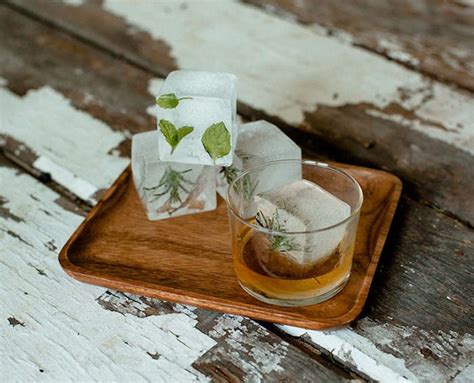
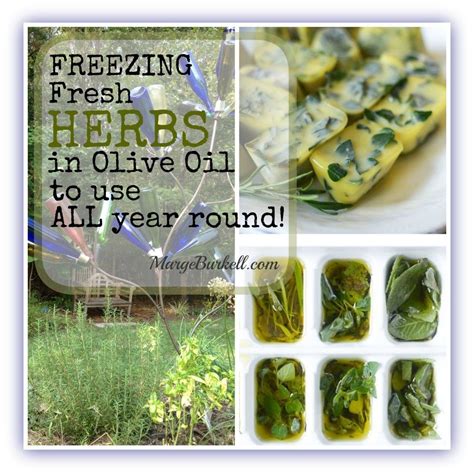
- Freezing for Long-Term: For herbs you won’t use immediately, consider freezing them. Chop them fine, mix with a little olive oil or water, and freeze in ice cube trays. Once frozen, transfer the cubes to a freezer-safe bag. These herb “bombs” are perfect for adding to soups, stews, and sauces.
The Gourmet Payoff
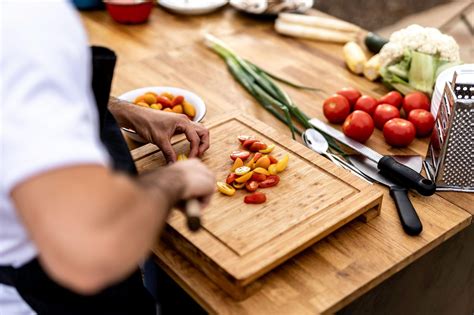
Imagine garnishing a creamy pasta dish with freshly chopped vibrant parsley, or finishing a pan-seared steak with crisp, aromatic rosemary sprigs. The visual appeal and burst of fresh flavor that perfectly preserved herbs provide are unparalleled. They don’t just add taste; they add life and professionalism to your cooking, transforming everyday meals into culinary masterpieces.
By implementing these simple yet effective storage techniques, you’ll dramatically reduce food waste and always have a supply of fresh, vibrant herbs at your fingertips. Your palate, and your guests, will thank you.