Keep produce vibrant: Best fridge storage for photo-ready freshness?

Why Optimal Produce Storage is Essential
There’s nothing quite as disheartening as opening your fridge to find wilting greens, mushy berries, or rubbery carrots. Beyond the disappointment of wasted food and money, dull produce lacks the vibrant appeal we often seek for healthy meals and Instagram-worthy culinary creations. The key to maintaining that ‘just-picked’ freshness and ensuring your produce stays photo-ready lies in understanding and implementing proper refrigeration techniques.
From controlling humidity to avoiding ethylene gas exposure, smart fridge storage can extend the life of your fruits and vegetables significantly, preserving their nutrients, texture, and visual appeal. Let’s delve into the best practices that will transform your kitchen and your plate.

Mastering Your Crisper Drawers
Your refrigerator’s crisper drawers aren’t just for tossing in random produce; they’re specifically designed to manage humidity levels. Understanding their settings is crucial:
- High-Humidity Setting (often a closed vent): Ideal for leafy greens (spinach, lettuce, kale), asparagus, broccoli, carrots, cucumbers, and peppers. These items thrive in moisture and will wilt quickly if exposed to dry air.
- Low-Humidity Setting (often an open vent): Best for fruits and vegetables that emit ethylene gas and can rot if kept too moist. This includes apples, pears, peaches, plums, melons, and some vegetables like corn and squash. The open vent allows ethylene gas to escape, preventing premature ripening and spoilage.
Pro Tip: Avoid overcrowding crisper drawers. Air circulation is vital, even in a humid environment. Wash and thoroughly dry most greens before storing them in breathable bags or containers.
Specific Produce Storage Strategies
Different produce items have unique needs:
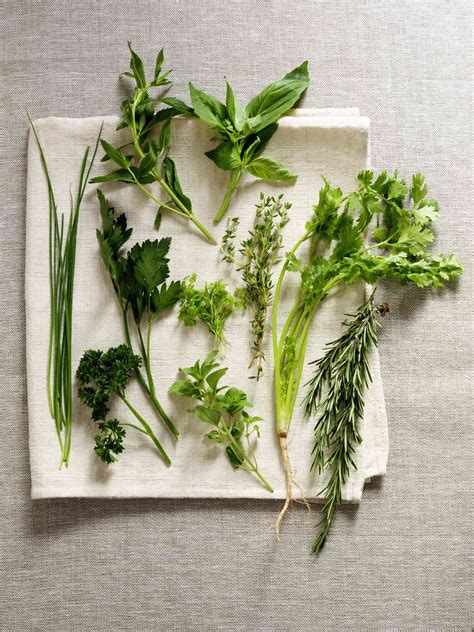
- Leafy Greens & Herbs: Wash, pat dry thoroughly, and store in airtight containers lined with a paper towel or in breathable produce bags. For herbs, trim stems, place in a jar with an inch of water, cover loosely with a plastic bag, and refrigerate.
- Berries: Do not wash until just before eating. Store in their original containers or a shallow, breathable container lined with a paper towel. Consider a vinegar wash (1 part vinegar to 3 parts water) before drying completely and storing to inhibit mold.
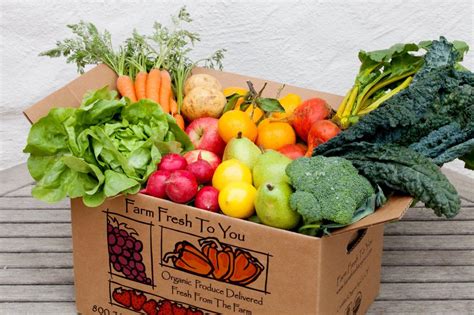
- Root Vegetables (carrots, radishes, beets): Remove greens (they draw moisture from the roots). Store in a sealed bag or container with a damp paper towel in the high-humidity crisper.
- Broccoli & Cauliflower: Store unwashed in an open plastic bag in the high-humidity drawer.
- Citrus Fruits: Can be stored in a mesh bag in the fridge for up to a month, though they’ll last a week or so on the counter.
The Right Tools for the Job
Investing in quality storage solutions can make a big difference:
- Glass Containers: Excellent for washed and cut produce, offering an airtight seal and visibility.
- Silicone Reusable Bags: A sustainable alternative to plastic bags, often designed to be breathable or airtight as needed.
- Produce Keeper Containers: Many brands offer specialized containers with vents and sometimes even water reservoirs to optimize conditions for specific items.
- Paper Towels: Absorb excess moisture, crucial for preventing spoilage in many items.
Ethylene Producers: Keep Them Separate!
Some fruits and vegetables produce ethylene gas, a natural ripening agent that can prematurely spoil sensitive produce. Keep these items away from ethylene-sensitive foods, ideally in separate crisper drawers or different parts of the fridge/kitchen:
- High Ethylene Producers: Apples, avocados, bananas (ripe), cantaloupe, kiwi, mangoes, peaches, pears, plums, tomatoes.
- Ethylene Sensitive: Broccoli, cabbage, carrots, cucumbers, leafy greens, lettuce, watermelon.

What to Keep Out of the Fridge
Not everything belongs in the cold. Some items suffer in the refrigerator, losing flavor, texture, or nutrients:
- Tomatoes: Store at room temperature to preserve flavor and texture. Only refrigerate very ripe ones if you plan to use them immediately.
- Potatoes & Onions: Store in a cool, dark, dry place (not together, as onions emit gases that can sprout potatoes).
- Garlic: Keep in a cool, dry place with good air circulation.
- Avocados & Bananas (unripe): Ripen on the counter. Once ripe, bananas can go into the fridge for a day or two to slow further ripening, but their skins will blacken.
- Bread: Refrigeration dries it out faster; freeze for longer storage.

Conclusion
Achieving photo-ready freshness for your produce is more than just good looks; it’s about minimizing food waste, maximizing nutritional value, and enhancing the flavor of your meals. By understanding your fridge’s features, implementing smart storage techniques for specific items, and knowing what to refrigerate and what to keep out, you can dramatically extend the life and vibrancy of your fruits and vegetables. Happy cooking, and get ready for those vibrant, fresh snaps!