Knife skills for perfect produce presentation: Any visual hacks?

In the world of culinary arts, presentation is often said to be half the meal. While taste is paramount, the visual appeal of a dish can significantly enhance the dining experience. When it comes to fruits and vegetables, mastering knife skills is not just about efficiency; it’s about transforming humble produce into edible art. But beyond basic chopping, what are the visual hacks that truly elevate your produce presentation?
The Foundation: Master Your Knives
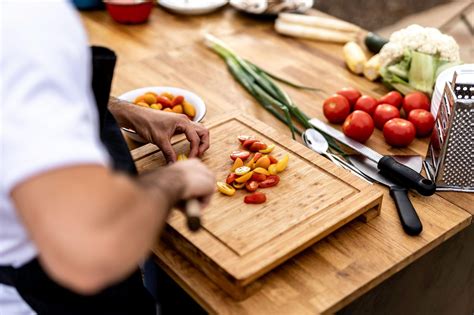
Before any fancy plating, a sharp knife is your most crucial tool. A dull knife is not only less efficient but also dangerous and more likely to bruise delicate produce. Master your grip and learn fundamental cuts like julienne (thin matchsticks), brunoise (tiny dice), and fine dicing. Uniformity in size and shape is the first step towards a professional presentation. Consistent cuts ensure even cooking and a cohesive look on the plate.

Beyond the Basics: Artistic Cuts for Impact
Once you’ve mastered the fundamentals, explore decorative cuts that add flair. Think beyond straight lines. Techniques like scoring cucumber skins for texture, creating radish roses by carefully peeling and soaking, or fanning avocado slices can turn simple ingredients into focal points. Using a mandoline for paper-thin slices of vegetables or fruits can create elegant layers and delicate textures, perfect for salads or garnishes. Citrus twists and intricate leaf shapes from herbs can also add a touch of sophistication.

Visual Hacks: Elevating Your Produce Presentation
True presentation hacks go beyond just cutting; they involve thoughtful arrangement and understanding of visual principles.
- Color Contrast and Harmony: Arrange produce to create vibrant contrasts (e.g., bright red tomatoes against green basil) or harmonious palettes (e.g., various shades of green).
- Texture Play: Combine different textures, such as crunchy carrots with creamy avocado, to make the dish more inviting.
- Geometric Precision: Utilize uniform cubes, spheres (using a melon baller), or slices to create visually pleasing patterns and a sense of order.
- Height and Volume: Don’t lay everything flat. Create height by stacking components, arranging elements in a fan shape, or creating small mounds. This adds dimension and interest.

Garnish is King: Small Details, Big Impact
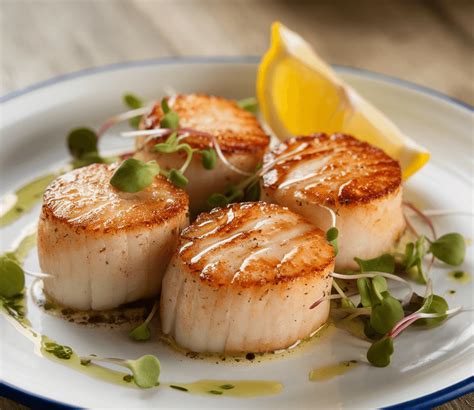
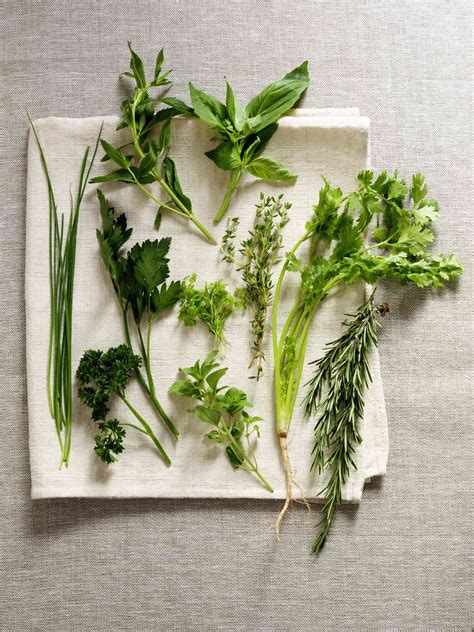
Often overlooked, the garnish is the final touch that can elevate a dish from good to gourmet. Even a simple sprig of fresh parsley, a few microgreens, or a carefully placed edible flower can make a significant difference. Consider fine chiffonades of herbs, toasted seeds for crunch, or a drizzle of contrasting oil (like vibrant green herb oil) around your produce arrangement. These small additions provide color, texture, and often, an aromatic boost.

Practical Tips for Home Cooks
Achieving perfect produce presentation requires practice and patience. Always prioritize safety: keep your knives sharp and your fingers tucked. Don’t be afraid to experiment with different cuts and arrangements. Plan your presentation while prepping, thinking about how each component will fit into the overall picture. Prep ahead where possible, keeping cut produce fresh in cold water or airtight containers. Remember, even everyday meals can benefit from a touch of visual artistry.
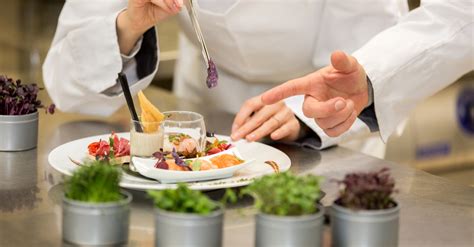
By investing time in honing your knife skills and understanding a few key visual hacks, you can transform ordinary fruits and vegetables into extraordinary components of any meal, proving that we truly eat with our eyes first.