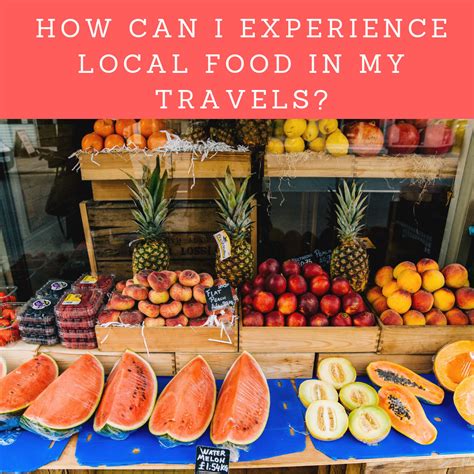
Low-light foodie photography hacks for vibrant local eats visuals?
Capturing the mouth-watering allure of local cuisine often means contending with dimly lit restaurant settings. While challenging, low-light environments can add a unique ambiance to your food photography, if you know the right tricks. This guide will equip you with essential hacks to transform your low-light foodie shots into vibrant, shareable visuals that do justice to every delicious bite.

Embrace Available Light & Angles
The first rule of low-light photography is to make the most of whatever light source is available. Scout for a table near a window, even after dusk, as ambient streetlights can provide a soft glow. If natural light is scarce, position your dish closer to any overhead or table lamp. Experiment with different angles – sometimes shooting from the side or slightly above can catch the light more effectively, creating appealing shadows and highlights.
Steady Your Shot: Stability is Key
In low light, your camera needs more time to gather light, which increases the risk of blurry photos due to camera shake. Whether you’re using a smartphone or a dedicated camera, stability is paramount. Prop your phone against a glass, stack of napkins, or use a mini tripod. For cameras, increase your ISO (carefully, to avoid excessive noise) or open your aperture wide (low f-number) to let in more light, but always prioritize a steady hand or support.
Improvise with Artificial Light & Diffusers
When natural light is absent, create your own. A friend’s smartphone flashlight, pointed away from the dish and bounced off a menu or napkin, can provide a soft, directional light. Better yet, carry a small, portable LED light. The trick is to diffuse and direct it. Use a piece of tissue paper, a white napkin, or even a frosted plastic bag as a makeshift diffuser to soften harsh light and avoid strong shadows, creating a more professional look.

White Balance & Exposure Control
Low light often casts a warm, yellowish, or sometimes cool, blueish tint on your food. Manually adjust your white balance setting to neutralize these color casts and ensure your food appears true-to-life. Many smartphone camera apps offer manual controls for white balance, ISO, and exposure compensation. Underexposing slightly in-camera can sometimes preserve highlights, and you can always brighten the shadows later in editing, which leads us to…

Post-Processing for Perfection
Even with the best in-camera techniques, post-processing is crucial for low-light shots. Apps like Adobe Lightroom Mobile, Snapseed, or even your phone’s default editor can work wonders. Focus on adjusting exposure, contrast, highlights, and shadows. Crucially, pay attention to sharpening and noise reduction (if your ISO was high). A slight bump in saturation and vibrance can bring out the natural colors of your dish without making it look artificial. Remember, subtle edits are often the most effective.
Don’t let dim lighting deter you from capturing the essence of your culinary adventures. With a few smart hacks – embracing available light, ensuring stability, improvising with simple tools, mastering your camera settings, and refining in post-processing – you can transform challenging environments into opportunities for stunning, vibrant food photography that truly showcases the local eats you love. So, next time you’re out, snap away with confidence!