Master knife skills: How to achieve perfect cuts for visually stunning dishes?
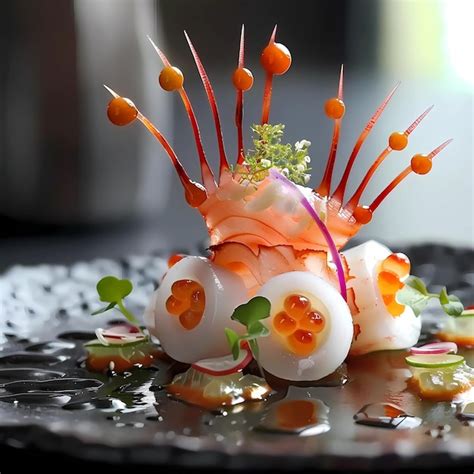
Why Master Knife Skills? Beyond Just Chopping
In the culinary world, knife skills are often the unsung hero behind truly exquisite dishes. It’s not merely about speed, but about precision, consistency, and safety. Perfectly cut ingredients don’t just look better on the plate; they cook more evenly, absorb flavors uniformly, and ultimately elevate the entire dining experience from a simple meal to a visually stunning masterpiece. Learning to wield your knives with confidence and control is a fundamental step toward becoming a more proficient and creative cook.
Whether you’re slicing delicate herbs for a garnish, dicing vegetables for a vibrant stir-fry, or breaking down a cut of meat, the way you prepare your ingredients directly impacts the final outcome. Unevenly cut items will cook at different rates, leading to some pieces being overcooked while others remain undercooked. Mastering your knife skills ensures consistency in texture, flavor, and, most importantly, presentation.
The Essential Knives and Mastering Your Grip
Before diving into various cuts, it’s crucial to understand the tools of the trade and how to handle them correctly. While a professional kitchen might boast a myriad of specialized knives, a home cook can accomplish most tasks with a few key pieces:
- Chef’s Knife (8-10 inches): Your workhorse for most chopping, slicing, dicing, and mincing.
- Paring Knife (3-4 inches): Ideal for delicate tasks like peeling, trimming, and intricate cuts.
- Serrated Knife (6-10 inches): Perfect for slicing bread, tomatoes, and other items with tough exteriors and soft interiors.
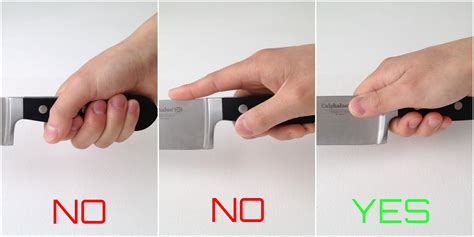
The most important aspect of knife safety and efficiency is your grip. Ditch the ‘handle-clutch’ grip; instead, adopt the ‘pinch grip’. Pinch the blade between your thumb and forefinger, with the remaining fingers wrapped around the handle. This provides maximum control over the blade, reducing fatigue and preventing accidents.
Fundamental Cuts for Everyday Elegance
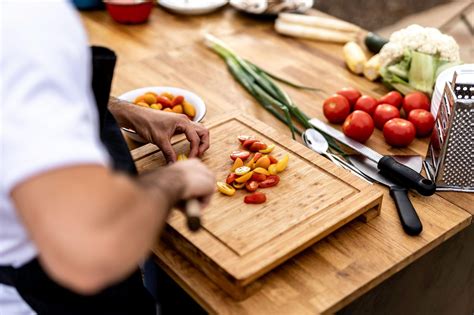
Once you’re comfortable with your grip, it’s time to practice the foundational cuts that form the basis of most culinary preparations. Consistency is key here.
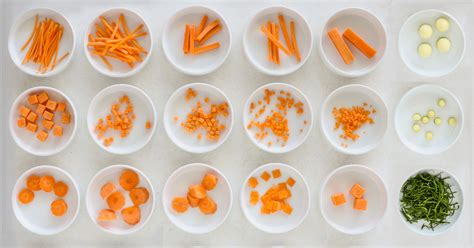
- Julienne: Long, thin matchsticks (approx. 1/8 inch x 1/8 inch x 2 inches). Perfect for salads, garnishes, and quick-cooking stir-fries.
- Batonnet: Thicker sticks (approx. 1/4 inch x 1/4 inch x 2-3 inches), often the precursor to dicing.
- Dice (Small, Medium, Large): Small dice (brunoise) is 1/8 inch cubes, medium dice is 1/4 inch cubes, and large dice (macedoine) is 1/2 inch cubes. Precision in dicing ensures even cooking and a professional look.
- Mince: The smallest cut, reducing ingredients like garlic or herbs to tiny fragments for intense flavor distribution.
- Slicing: Uniform disks or strips, from vegetables like cucumbers and carrots to meats and fruits.
Practice these cuts with different vegetables like carrots, onions, and potatoes. Repetition builds muscle memory and improves accuracy.
Advanced Techniques for Artistic Presentation
Once the basics are solid, you can explore more advanced techniques that truly elevate your dishes visually.
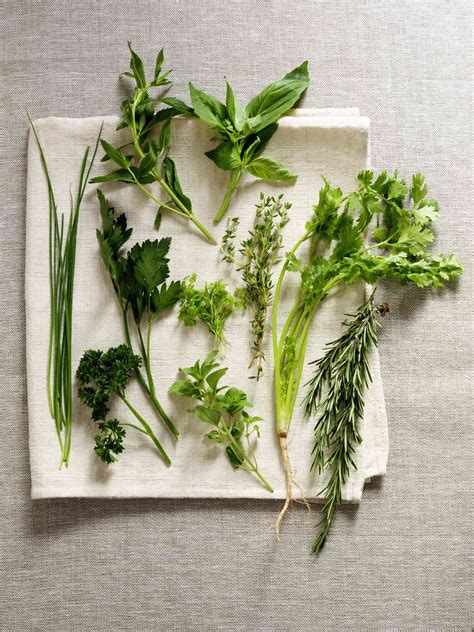
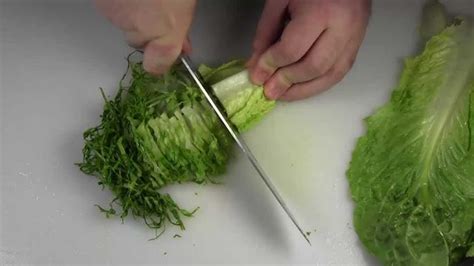
- Chiffonade: A technique for thinly slicing leafy green vegetables or herbs. Stack leaves, roll them tightly, and then slice across the roll to create fine ribbons. Ideal for basil, mint, or spinach garnishes.
- Tournée: An intricate seven-sided, football-shaped cut applied to root vegetables like potatoes or carrots. While time-consuming, it’s a hallmark of classical French cuisine and creates beautifully uniform, elegant pieces that cook perfectly.
- Segmenting Citrus: Removing the segments of citrus fruit (like oranges or grapefruits) from their membranes creates vibrant, juicy pieces free of pith. This is perfect for salads, desserts, or garnishes.
These techniques not only impress but also enhance the eating experience by removing undesirable textures (like pith or tough stems) and concentrating flavors.
Knife Safety and Maintenance: Keeping Them Sharp and Safe
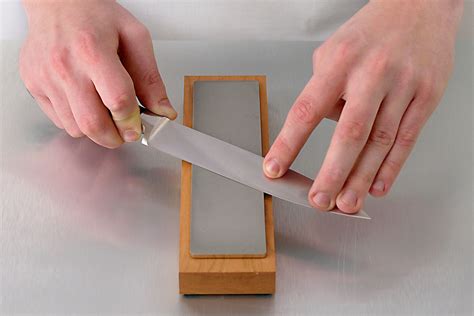
A sharp knife is a safe knife. A dull knife requires more force, increasing the risk of slips and accidents. Invest in a good sharpening stone or send your knives out for professional sharpening regularly. Between sharpenings, use a honing steel to realign the blade’s edge before each use.
Key Safety Tips:
- Always cut on a stable, non-slip cutting board.
- Keep your guiding hand (the one not holding the knife) in a ‘claw’ shape, with fingertips tucked under.
- Always cut away from your body.
- Never try to catch a falling knife.
- Store knives safely in a block, magnetic strip, or sheath to protect both the blade and your hands.
- Clean knives immediately after use, by hand, and dry them thoroughly to prevent rust and maintain their edge.
Mastering knife skills is a journey, not a destination. Consistent practice, patience, and attention to detail will transform your cooking and allow you to create dishes that are not only delicious but also visually stunning works of art.