Mastering basic knife cuts for beautiful, consistent veggie prep?
Elevate Your Cooking with Precision Knife Skills
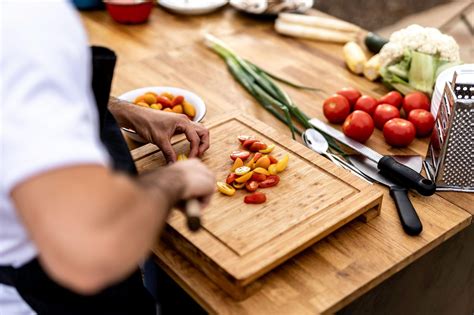
In the bustling world of the kitchen, few skills are as foundational and transformative as mastering basic knife cuts. Beyond mere aesthetics, consistent vegetable preparation ensures even cooking, enhances flavor profiles, and significantly speeds up your time at the chopping board. This guide will walk you through the essential techniques, turning your veggie prep from a chore into a confident, efficient art form.
Safety First: Your Foundation for Confidence
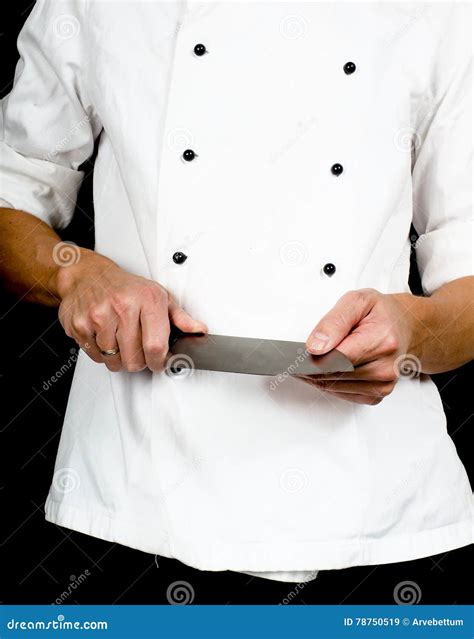
Before you even think about cutting, safety must be your absolute priority. A sharp knife is actually safer than a dull one, as it requires less force and is less likely to slip. Always use a stable cutting board – ideally one with non-slip feet or placed on a damp cloth. Maintain awareness of your knife’s position at all times, and never let your fingers get in the path of the blade.
The Pinch Grip and Claw Grip
The standard professional way to hold your knife is the “pinch grip.” Pinch the blade with your thumb and forefinger just above the bolster, then wrap your remaining fingers around the handle. This provides maximum control. For the hand holding the vegetable, employ the “claw grip”: curl your fingertips under, pressing your knuckles against the side of the blade as a guide. This protects your precious digits!
Essential Knife Cuts to Master
Let’s dive into the core cuts that form the basis of countless recipes. Practice these with common vegetables like carrots, potatoes, and onions.
1. The Dice (Small, Medium, Large)
Dicing creates small, uniform cubes, perfect for soups, stews, and sautés. Begin by squaring off your vegetable (creating flat sides). Then, cut into uniform planks, stack them, cut into uniform batonnets (sticks), and finally, cut across the batonnets to form cubes.
- Small Dice (Brunoise): 1/8 inch (3mm) cubes
- Medium Dice (Macedoine): 1/4 inch (6mm) cubes
- Large Dice: 1/2 inch (1.25cm) cubes

2. The Mince
Mincing produces very fine, irregular pieces, ideal for aromatics like garlic, ginger, and shallots, where you want the flavor to disperse quickly. Rock the blade back and forth over the ingredient, keeping the tip on the board, until the desired fineness is achieved.
3. The Julienne
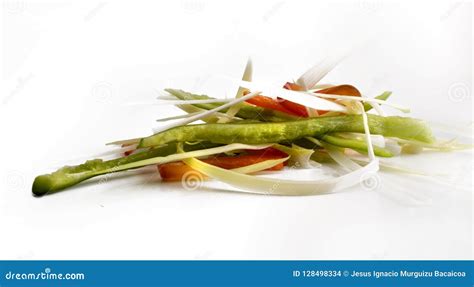
A julienne cut results in thin, matchstick-like strips. Again, start by squaring off your vegetable. Slice it into thin planks (about 1/8 inch or 3mm thick), then stack the planks and slice them lengthwise into 1/8 inch (3mm) wide sticks. This cut is fantastic for salads, stir-fries, and garnishes.
4. The Batonnet
Similar to julienne but thicker, batonnets are 1/4 inch (6mm) thick sticks. They are often a precursor to a medium dice or used for crudités and roasting.
5. Slicing (Rondelle & Diagonal)
Slicing is straightforward but consistency is key. Rondelle refers to round or oval slices (e.g., carrots). Diagonal slices increase the surface area, which can be beneficial for stir-fries as it cooks faster and absorbs more flavor, and adds visual appeal.

Practice Makes Perfect: Tips for Improvement
Don’t get discouraged if your first attempts aren’t perfect. Consistency comes with practice. Start with softer vegetables like zucchini or cucumber before moving to harder ones like carrots or potatoes. Focus on slow, deliberate movements. Watch professional chefs, but more importantly, keep practicing regularly. The more you use your knife, the more intuitive and precise your movements will become.
Beyond the Cut: The Joy of Confident Cooking
Mastering basic knife cuts is more than just learning a skill; it’s an investment in your culinary journey. It enhances the visual appeal of your dishes, ensures even cooking, and ultimately makes your time in the kitchen more enjoyable and efficient. So grab your sharpest knife, embrace the practice, and start transforming your vegetable prep into a beautiful, consistent, and satisfying experience.