Mastering food styling: How to plate everyday meals for stunning visual feeds?
In an age dominated by visual content, even the simplest homemade meal can become a work of art worthy of a social media feed. Food styling isn’t just for professional chefs or magazine shoots; it’s a skill anyone can master to elevate their everyday cooking. Learning how to plate your meals beautifully not only enhances the dining experience but also makes sharing your culinary creations a joy. Let’s delve into the secrets of transforming ordinary dishes into extraordinary visual feasts.
Why Everyday Food Styling Matters
Beyond the allure of Instagram, thoughtful plating can actually make food more appealing and even taste better. When a dish looks inviting, it primes our senses for enjoyment. It shows care and attention to detail, turning a routine meal into a special occasion. For those who love to document their cooking journey or share recipes, stunning visuals are key to capturing attention and inspiring others.
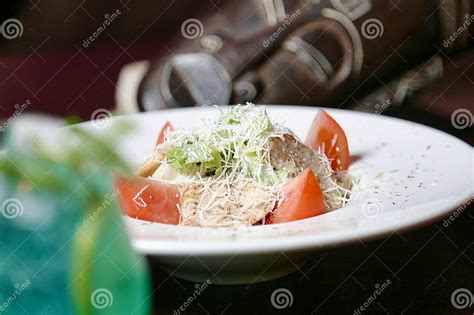
The Fundamentals of Food Styling
Composition: The Rule of Thirds and Negative Space
Think of your plate as a canvas. The ‘Rule of Thirds’ is a classic photography principle that applies beautifully to food. Imagine dividing your plate into a 3×3 grid; place your main elements along the lines or at their intersections for a more dynamic and balanced look. Don’t overcrowd the plate – negative space (the empty areas) is crucial. It allows the eyes to rest and highlights the star components of your dish, preventing a cluttered appearance.
Color, Contrast, and Texture
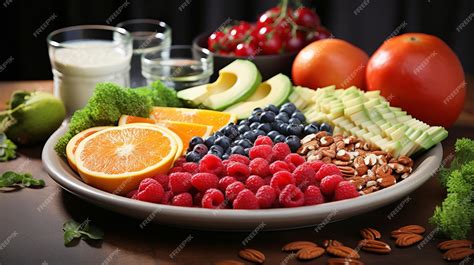
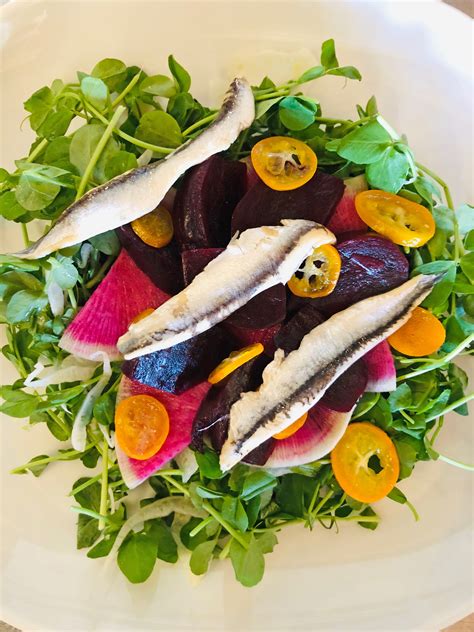
Variety is the spice of life, and certainly of food styling. Aim for a spectrum of colors on your plate, using natural ingredients. A dull, monochromatic dish rarely excites. Introduce contrasting colors (e.g., bright green herbs on a red sauce) and textures (crispy, creamy, crunchy) to add depth and interest. These elements create visual layers that make the dish more engaging and appetizing.
Height and Dimension
Flat food is boring food. Give your plate dimension by stacking ingredients or creating height. For instance, lean roasted vegetables against a main protein, or build a tower of grains and a protein. Using tools like ring molds can help create perfect layers. This technique adds an architectural quality to your dish, making it more visually impressive.
Essential Plating Techniques
Creating a Focal Point
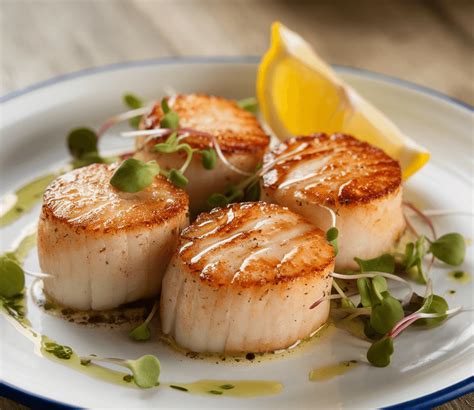
Every masterpiece has a focal point, and your dish should too. This is usually the main protein or a prominent vegetable. Place it strategically on the plate, often slightly off-center according to the Rule of Thirds. Arrange supporting elements around it, guiding the viewer’s eye towards the star of the show. Sauces can be drizzled artfully around or under the main element, rather than drowning it.
Thoughtful Garnish and Props
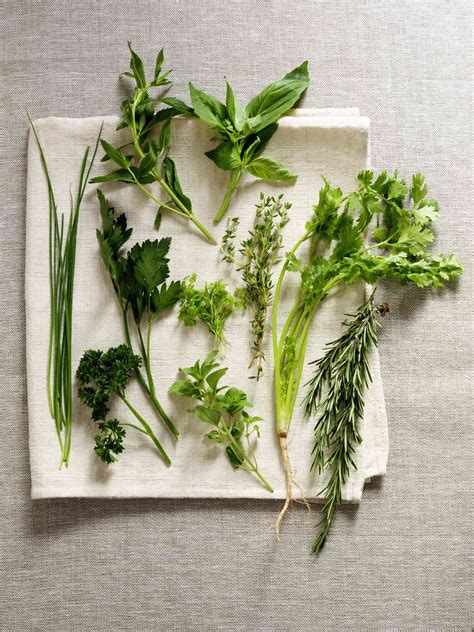
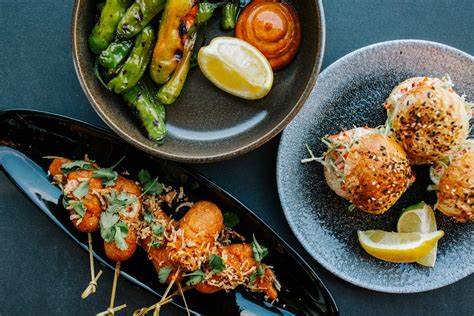
Garnishes are the jewelry of your dish. A sprinkle of fresh herbs, a swirl of crème fraîche, a few toasted nuts, or a lemon wedge can add a final flourish, enhancing both taste and appearance. However, don’t over-garnish; less is often more. When photographing, consider simple, elegant props like rustic cutting boards, linen napkins, or complementary cutlery to enhance the overall scene without distracting from the food itself.
Beyond the Plate: Lighting and Angles
Harnessing Natural Light
Good lighting is paramount for food photography. Natural light is your best friend. Place your plated dish near a window, ideally diffused with a sheer curtain to avoid harsh shadows. Avoid direct overhead lights, which can create unflattering shadows and reflections. Soft, indirect light will make your food look vibrant and appealing.
Finding Your Best Angle
Experiment with different camera angles. A top-down ‘flat lay’ shot works wonderfully for vibrant salads, bowls, or dishes with intricate patterns. A 45-degree angle often highlights height and depth, perfect for burgers or stacked dishes. Eye-level shots can make a dish feel more intimate and show off specific textures. Practice will help you discover which angles best showcase each of your culinary creations.
Practice Makes Perfect
Food styling is a skill that improves with practice. Don’t be discouraged if your first attempts aren’t perfect. Start by focusing on one or two elements at a time – perhaps just color and composition, or simply mastering a delicate garnish. Observe how professional chefs and food photographers plate their dishes for inspiration.
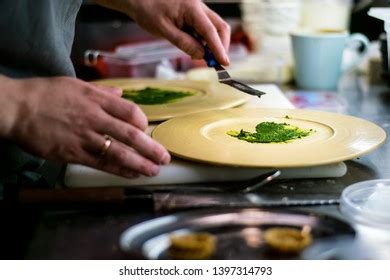
Embrace the creative process, have fun with your food, and soon you’ll be transforming your everyday meals into visually stunning masterpieces that are as delightful to look at as they are to eat. Happy plating!