Mastering fridge zones: Keep produce vibrant & eliminate food waste?
Introduction: The Secret to Fresher Food Lies Within Your Fridge
Are you tired of finding wilted lettuce, bruised berries, or half-used ingredients languishing in the back of your refrigerator? Food waste is a significant problem in many households, often stemming from improper storage rather than actual expiration. Your fridge is a marvel of cooling technology, but it’s not a one-size-fits-all cold box. Understanding and utilizing its distinct temperature zones is key to extending the life of your produce, reducing waste, and making your groceries go further.
This guide will demystify your refrigerator, transforming it from a mere cold storage unit into a precision preservation system. By learning where to store different types of food, especially your vibrant fruits and vegetables, you’ll ensure everything stays fresher, tastier, and ultimately, saves you money.

Understanding Your Fridge’s Microclimates
Not all areas within your refrigerator are created equal. Due to the design of the cooling system and the basic principles of physics (cold air sinks), different shelves and compartments maintain varying temperatures. The back of the fridge is generally colder than the front, and lower shelves are colder than upper ones. Recognizing these microclimates is the first step in mastering proper food storage.
By strategically placing items where they will thrive, you prevent premature spoilage, nutrient loss, and the spread of bacteria. Let’s break down each zone and what belongs there to maximize freshness and safety.
The Upper Shelves: Ready-to-Eat Zone
The top shelves typically experience the most consistent and slightly warmer temperatures. This makes them ideal for foods that are already cooked or don’t require intense chilling. Think leftovers, ready-to-eat foods like deli meats, cooked poultry, cheeses, and drinks. Always ensure leftovers are stored in airtight containers to prevent cross-contamination and maintain freshness.
The Middle Shelves: Dairy and Eggs
Moving down to the middle shelves, the temperature becomes slightly cooler and more stable than the top. This is the sweet spot for dairy products such as milk, yogurt, and butter. Eggs, too, are best kept here, ideally in their original cartons which provide protection and prevent them from absorbing odors from other foods.
The Lower Shelves: The Coldest & Safest
The bottom shelf is usually the coldest part of your refrigerator. This is the safest place to store raw meats, poultry, and fish. Always keep these items in sealed containers or on a plate to prevent any juices from dripping onto other foods, which could lead to dangerous cross-contamination. Storing them on the lowest shelf provides an extra layer of safety in case of leaks.
![Amazon.com: [2-Pack] Upgraded 2188656 Fridge Crisper Drawer (Upper ...](/images/aHR0cHM6Ly90czIubW0uYmluZy5uZXQvdGg/aWQ9T0lQLjNJWGU3T0JmVklXNzlQUGc1RmlZRlFIYUVsJnBpZD0xNS4x.webp)
Mastering the Crisper Drawers: Produce’s Best Friend
Your crisper drawers are specifically designed to create humidity-controlled environments, crucial for extending the life of your fruits and vegetables. Most modern fridges have two crisper drawers, often labeled ‘High Humidity’ and ‘Low Humidity’, or with adjustable vents.
High-Humidity Drawer: Preserve Delicates
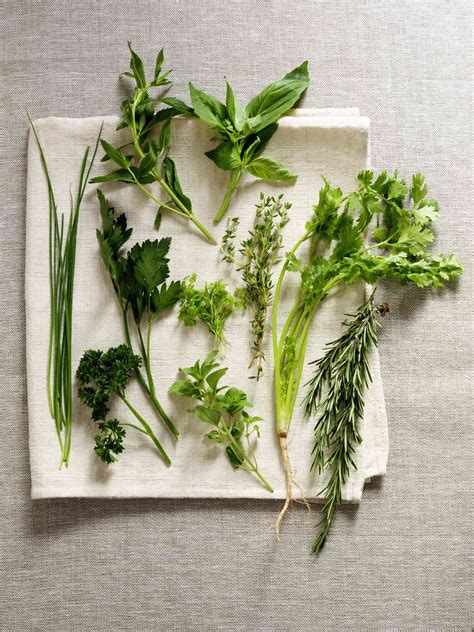
This drawer is for produce that wilts easily, preferring a moist environment. Think leafy greens like spinach, lettuce, kale, and collards. Fresh herbs, broccoli, cauliflower, carrots, and cucumbers also thrive here. Keep the vent closed to trap moisture and prevent dehydration.

Low-Humidity Drawer: Keep Them Dry
Conversely, the low-humidity drawer (or with the vent open) is for produce that emits ethylene gas and/or spoils faster with too much moisture. This includes fruits like apples, pears, and grapes, as well as vegetables like bell peppers, onions (unpeeled), and mushrooms. Storing ethylene producers separately helps prevent other sensitive produce from ripening too quickly.

The Refrigerator Door: Condiments’ Corner
The refrigerator door is subject to the most temperature fluctuations every time it’s opened. Therefore, it’s best reserved for items that are highly resistant to spoilage or have natural preservatives. Condiments like ketchup, mustard, jams, pickles, and some juices are perfect for this zone. Avoid storing milk or eggs in the door, despite convenient racks, as they benefit from more stable temperatures.
Beyond Zones: Essential Fridge Habits
Beyond zoning, a few general habits will further enhance your fridge’s efficiency and your food’s longevity:
- Don’t Overcrowd: Air needs to circulate to maintain consistent temperatures. An overstuffed fridge leads to warm spots and inefficient cooling.
- Use Proper Containers: Airtight containers for opened items and leftovers are crucial for freshness and preventing odor transfer.
- First-In, First-Out (FIFO): Place newer items at the back and older ones at the front so you use them before they spoil.
- Check Temperatures: Your fridge should ideally be at or below 40°F (4°C), and your freezer at 0°F (-18°C). A fridge thermometer can confirm this.

Conclusion: A Smarter Fridge, a Healthier Wallet
Mastering your fridge zones isn’t just about neatness; it’s a powerful tool for food preservation, safety, and economy. By understanding where each type of food optimally belongs, you can significantly extend the life of your produce, minimize food waste, and enjoy the full flavor and nutritional benefits of your groceries. Embrace these simple organizational strategies, and you’ll find your kitchen running more efficiently, your food lasting longer, and your wallet feeling a little heavier.