Mastering knife skills: Essential techniques for faster, safer food prep?
Why Master Knife Skills? The Foundation of Efficient Cooking
In the bustling world of the kitchen, few abilities are as foundational and transformative as proficient knife skills. Beyond merely cutting ingredients, mastering your blade unlocks a realm of efficiency, consistency, and, crucially, safety. Imagine effortlessly gliding through mountains of vegetables, producing perfectly uniform cuts that cook evenly and present beautifully. This isn’t just the domain of professional chefs; these essential techniques are accessible to every home cook, promising a more enjoyable and less stressful culinary journey.
Poor knife skills, on the other hand, can lead to uneven cooking, wasted ingredients, frustration, and, most importantly, a higher risk of accidents. It’s time to move beyond the awkward choppiness and embrace the precision and grace that comes with a well-handled knife.
The Essential Tools: Understanding Your Blades
Before diving into techniques, it’s vital to know your tools. While there’s a vast array of specialized knives, three are indispensable for the home cook:
- The Chef’s Knife: Your workhorse. Typically 8-10 inches, its curved blade is designed for a rocking motion, ideal for chopping, dicing, and mincing.
- The Paring Knife: Small and nimble, usually 3-4 inches. Perfect for intricate tasks like peeling, trimming, and creating garnishes.
- The Serrated Knife: With its jagged edge, this knife excels at cutting through items with tough exteriors and soft interiors, like bread, tomatoes, and roasted meats.
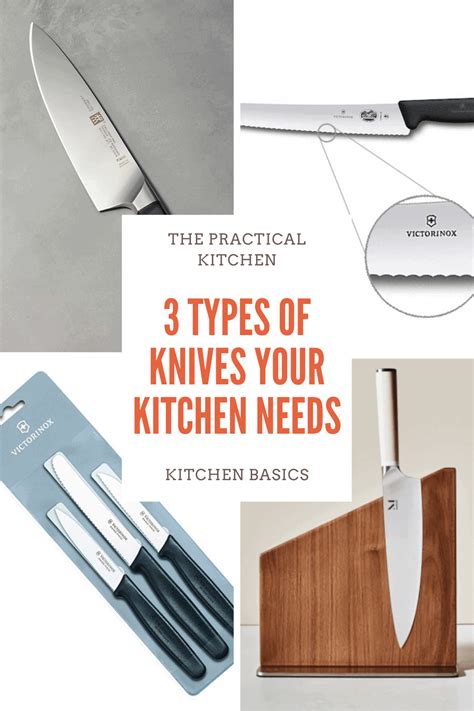
Investing in good quality knives and knowing their purpose is the first step towards culinary confidence.
Establishing Your Foundation: Grip and Stance
The secret to control and power lies in your grip. Forget the ‘handle-clench’; a proper grip involves holding the blade itself:
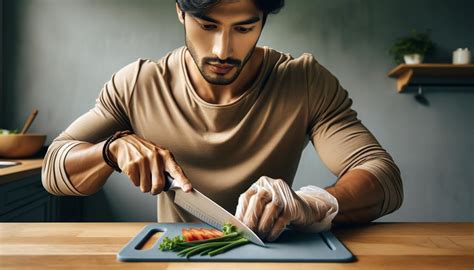
- The Pinch Grip: This is the most recommended grip for a chef’s knife. Pinch the heel of the blade between your thumb and forefinger, wrapping the remaining fingers around the handle. This provides maximum control over the blade.
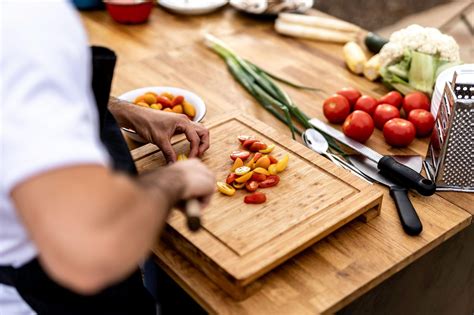
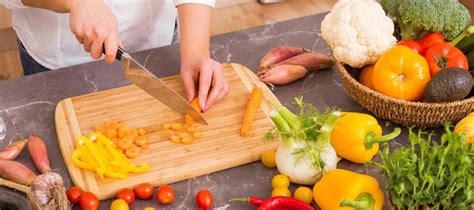
- The Claw Grip: For your non-dominant hand (the one holding the food), form a ‘claw’ by curling your fingertips inwards, resting your knuckles against the side of the blade. This protects your fingertips and guides the knife.
Additionally, a stable stance, with your feet shoulder-width apart and a slight bend in your knees, will provide balance and leverage, reducing fatigue during long prep sessions.
Mastering Core Techniques: Slice, Dice, Chop
1. The Slice
Slicing is about producing even, thin pieces. Whether it’s an onion, a carrot, or a bell pepper, the principle remains the same: use the full length of the blade, starting from the tip and pulling back towards the heel in a smooth, fluid motion.
2. The Dice
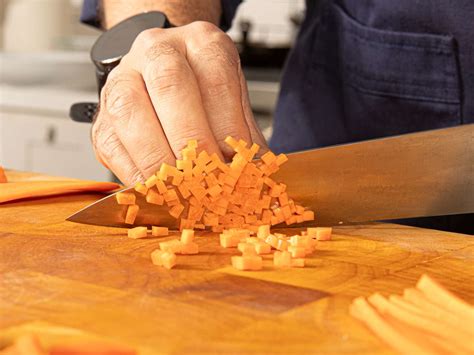
Dicing involves breaking down larger pieces into uniform cubes. This often starts with slicing the ingredient into planks, then cutting those planks into sticks (julienne), and finally, cross-cutting the sticks into cubes. Consistency is key for even cooking.
3. The Chop
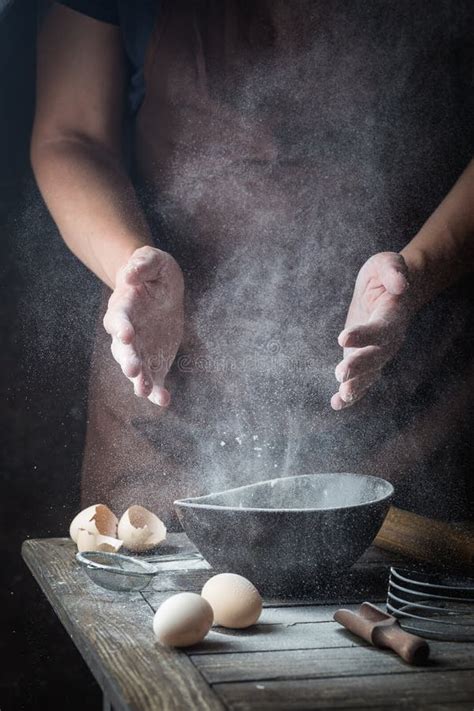
Chopping is generally a coarser cut, often used for aromatics like garlic and herbs. While it can involve a back-and-forth motion, a more controlled technique uses a rocking motion with a chef’s knife, keeping the tip on the cutting board while the heel moves up and down.
Prioritizing Safety: The Golden Rules
Sharp knives are safer knives. A dull blade requires more force, increasing the chance of slipping. Always keep your knives impeccably sharp. Other safety essentials include:
- Stabilize Your Cutting Board: Place a damp paper towel or non-slip mat underneath your cutting board to prevent it from sliding.
- Maintain a Clean Workspace: Remove scraps and debris as you work to prevent tripping hazards for your knife.
- Focus: Distractions and rushing are prime causes of kitchen accidents. Give your full attention to the task.
- Transport Safely: Carry knives with the blade pointing down and close to your body, announcing your presence in a busy kitchen.
- Never Catch a Falling Knife: Step back and let it fall.
Maintaining Your Blades: Sharpening and Honing
Even the best knives will dull with use. Understanding the difference between sharpening and honing is crucial:
- Honing: Done frequently with a honing steel, this realigns the microscopic edge of a blade that has bent out of shape. It doesn’t remove much material but keeps the edge straight and sharp for longer.
- Sharpening: This actually removes material from the blade to create a new, sharper edge. It’s done less frequently using whetstones, electric sharpeners, or professional services.
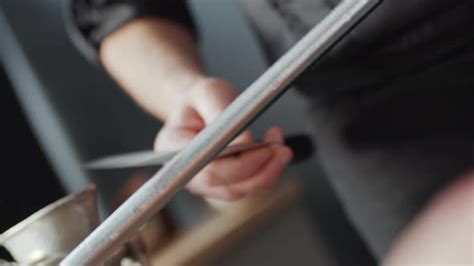
Proper maintenance ensures your knives perform at their peak, making your prep work easier and safer.
Conclusion: Practice Makes Perfect
Mastering knife skills is a journey, not a destination. It requires patience, repetition, and a willingness to learn. Start with simple vegetables, focus on your grip and technique, and gradually build speed and confidence. As you refine your skills, you’ll not only enhance the quality of your cooking but also transform your time in the kitchen from a chore into a truly enjoyable and efficient experience. Embrace the blade, and unlock a world of culinary possibilities!