Mastering meal prep for delicious, whole food nutrition all week?

Unlock a Healthier Week with Smart Meal Prep
In our fast-paced world, maintaining a healthy, whole-food diet often feels like an uphill battle. Time constraints, daily stresses, and the siren call of convenience foods can derail even the best intentions. But what if there was a way to consistently enjoy nutritious, delicious meals without the daily fuss? Enter meal prep – a strategic approach to cooking that sets you up for dietary success all week long.
Meal prepping isn’t just about packing lunches; it’s a comprehensive lifestyle habit that revolutionizes how you eat, manage your time, and even save money. By dedicating a few hours once or twice a week, you can ensure a fridge full of wholesome options, making healthy choices effortless and enjoyable.

The Transformative Power of Meal Prep
The benefits of mastering meal prep extend far beyond just having food ready. Firstly, it’s a powerful tool for nutritional control. You choose the ingredients, control portion sizes, and minimize processed foods, leading to better health outcomes. Secondly, it’s a significant time-saver. Imagine reclaiming precious weekday evenings previously spent cooking or deciding what to eat. Thirdly, meal prep is often more budget-friendly than daily grocery runs or eating out, as it encourages bulk buying and reduces food waste.
Beyond the practical advantages, meal prepping reduces decision fatigue and stress. Knowing your meals are sorted frees up mental space, allowing you to focus on other aspects of your life. It fosters consistency, helping you build sustainable healthy eating habits without feeling deprived or overwhelmed.
Planning Your Meal Prep Strategy
Successful meal prep begins with thoughtful planning. Start by deciding how many meals you want to prep and for how many days. Consider your dietary preferences, any allergies, and what ingredients are in season or on sale. Browse recipes that lend themselves well to batch cooking – think hearty grain bowls, robust salads, versatile protein sources, and roasted vegetables.
Create a detailed grocery list based on your chosen recipes. Group items by supermarket section to make your shopping trip efficient. Don’t forget snacks! Preparing healthy snacks like chopped veggies, fruit, or homemade energy bites can prevent impulsive unhealthy choices throughout the week.
Essential Tools for Efficient Prepping
While you don’t need a gourmet kitchen, a few key tools can significantly streamline your meal prep process. High-quality airtight containers are paramount for food storage, keeping meals fresh and preventing leaks. Glass containers are excellent for reheating and durability. Invest in a good set of sharp knives, a large cutting board, and a few mixing bowls. A sheet pan or two and a large pot will also be invaluable for roasting vegetables and cooking grains or stews in bulk.
Batch Cooking Basics: Your Building Blocks
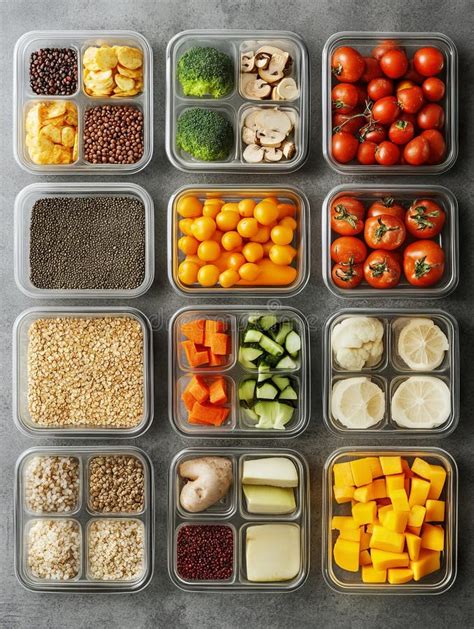
The magic of meal prep lies in batch cooking versatile components that can be mixed and matched. Focus on preparing:
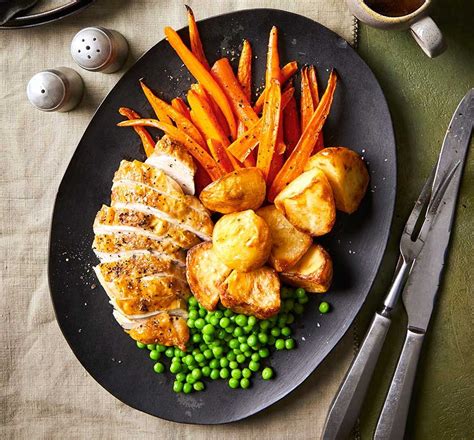
- Proteins: Roast chicken breasts, cook ground turkey, boil eggs, bake salmon, or prepare a batch of lentils or chickpeas.
- Grains: Cook a large pot of quinoa, brown rice, farro, or couscous.
- Vegetables: Chop and roast a variety of vegetables like broccoli, sweet potatoes, bell peppers, or Brussels sprouts. Prepare a large salad mix without dressing.
- Sauces/Dressings: Whip up homemade dressings or sauces separately to add just before eating, preventing sogginess.

Assembly, Storage, and Enjoyment
Once your components are cooked and cooled, it’s time to assemble. Decide whether you prefer to fully assemble individual meals (e.g., a complete salad or bowl) or store components separately to mix and match daily. For optimal freshness, store cooked meals in airtight containers in the refrigerator for 3-5 days. Some items, like cooked grains or certain proteins, freeze beautifully for longer storage.
Labeling containers with the date and contents can be incredibly helpful, especially if you’re freezing items or prepping for more than a few days. Remember to let food cool completely before refrigerating or freezing to prevent condensation and bacterial growth.

Tips for Long-Term Meal Prep Success
- Vary Your Meals: To prevent boredom, try rotating your recipes and ingredients. Introduce new spices or cooking methods.
- Listen to Your Body: Adjust portion sizes as needed. Don’t feel obligated to eat something you’re not craving; that’s where flexibility comes in handy.
- Start Small: If you’re new to meal prep, begin by prepping just lunches for a couple of days, then gradually expand.
- Embrace Freezing: Utilize your freezer for batch-cooked soups, stews, or extra portions of proteins and grains.
- Season Well: Don’t be afraid of herbs and spices! They are key to making whole foods delicious and exciting.
Mastering meal prep is a journey, not a destination. It requires a bit of upfront effort, but the returns in health, time, and peace of mind are immeasurable. By embracing this powerful lifestyle habit, you can confidently answer the call for delicious, whole-food nutrition all week, transforming your relationship with food and enhancing your overall well-being.