Mastering simple plating techniques for visually stunning food?
Food isn’t just about taste; it’s an experience that engages all the senses, and visual appeal plays a critical role. Mastering simple plating techniques can transform your home-cooked meals from merely delicious to truly stunning, impressing guests and making every dining occasion feel special. You don’t need a culinary degree or fancy equipment to start; just a few basic principles and a dash of creativity.
The Canvas: Choosing Your Plate
Before you even begin arranging food, consider your plate. The plate is your canvas, and its shape, size, and color can significantly impact the overall presentation. White plates are often preferred by chefs because they provide a neutral background that makes food colors pop. However, don’t shy away from experimenting with other colors or patterns, as long as they complement, rather than compete with, your dish.
Ensure your plates are clean and free of smudges or drips before serving. A quick wipe with a damp cloth can make a world of difference. The size of the plate is also crucial; leaving some negative space (empty areas) around your food can make the dish appear more elegant and inviting.

Principles of Plating: The Visual Language
Think of plating as storytelling – you’re arranging elements to create a narrative. Here are some core principles:
1. Color Contrast and Balance
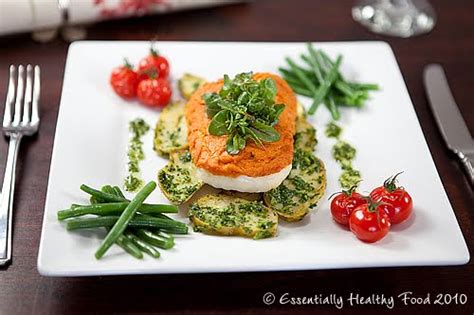
Vibrant colors are naturally appealing. Aim for a variety of colors in your dish by incorporating different vegetables, fruits, or sauces. Think about complementary colors (like red tomatoes against green basil) or contrasting colors to create visual interest. A monochromatic dish can work if textures vary greatly, but generally, a pop of color is always welcome.
2. Texture and Variety
A visually stunning dish often has varying textures. Imagine a perfectly seared steak with a creamy potato purée and crispy asparagus. The contrast in textures adds depth and excitement, not just to the palate but also to the eye. Use garnishes like toasted nuts, croutons, or fried onions to add crunch.
Mastering Placement and Composition
3. The Rule of Odds and Asymmetry
When arranging small elements, try to use an odd number (3, 5, or 7). Our brains often find odd numbers more appealing and natural than even numbers. Placing elements slightly off-center or in an asymmetrical fashion can also create a more dynamic and less static composition.
4. Creating Height and Dimension
Flat food can look uninspired. Add height to your dishes by stacking ingredients, creating mounds of purée or grains, or leaning elements against each other. This adds a three-dimensional quality that makes the dish more engaging. Use a ring mold for perfect towers or simply build upwards strategically.

The Art of Garnishing and Finishing
5. Strategic Use of Garnishes
Garnishes aren’t just for show; they should enhance the flavor and texture of the dish. A sprig of fresh herb (like parsley, dill, or cilantro), a drizzle of a contrasting sauce, or a sprinkle of toasted seeds can add that final touch of finesse. Place garnishes thoughtfully, ensuring they contribute to the overall balance and don’t overwhelm the main components.
6. Negative Space: Less is More
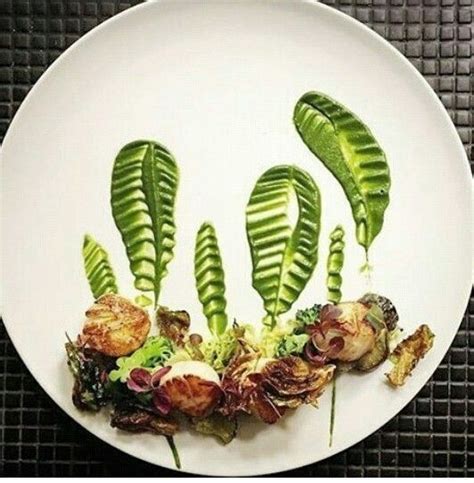
Resist the urge to crowd your plate. Leaving ample empty space around your main components helps to highlight them and allows the diner’s eye to focus on the artistry of your arrangement. It also suggests elegance and refinement.
Practical Tips for Home Cooks
- Practice Makes Perfect: Don’t be afraid to experiment. The more you plate, the better you’ll become.
- Keep it Clean: Always have a damp cloth handy to wipe away any drips or spills on the plate.
- Simple Tools: A squeeze bottle for sauces, a small spoon for precise drizzling, and even clean tweezers can elevate your game.
- Taste Everything: Ensure all components on the plate, including garnishes, contribute positively to the flavor profile.
- Work Quickly: Plate hot food efficiently so it doesn’t cool down before serving.

Mastering plating is an ongoing journey, but by focusing on these simple techniques – color, texture, height, and thoughtful placement – you can consistently create visually stunning food that delights the eyes as much as it does the palate. Start with one or two techniques and gradually build your confidence. Soon, every meal you serve will be a feast for the senses.