Maximize fresh produce: Creative hacks for wilting herbs?

Don’t Toss Them Yet! Revitalizing Wilting Herbs
There’s nothing quite like the vibrant aroma and fresh taste of herbs straight from the garden or farmer’s market. Yet, all too often, we find ourselves with a bunch of once-perky herbs starting to look a little sad and droopy in the fridge. Before you resign them to the compost bin, know that many wilting herbs can be revived or creatively repurposed, saving you money and reducing food waste.
The key to maximizing your fresh produce, especially delicate herbs, lies in understanding their needs and knowing a few clever tricks. Let’s dive into some simple hacks that can breathe new life into your herbs or give them a delicious second act.
The Miracle of the Water Bath
For herbs that are just beginning to wilt, a simple water bath can often work wonders. Think of it as rehydrating a thirsty plant. This method is particularly effective for parsley, cilantro, and mint.
- Cold Water Soak: Trim a small bit off the bottom of the stems and place the herbs in a glass or jar with an inch or two of cold water, much like a bouquet of flowers. Cover them loosely with a plastic bag (or the original produce bag) to create a humid environment, and place them in the refrigerator. Within a few hours, or overnight, you’ll often find them perked right up.
- Ice Water Shock: For more severely wilted but not yet slimy herbs, try an ice bath. Submerge the entire herb bunch (stems and leaves) into a bowl of very cold water with ice cubes for 15-30 minutes. The cold water helps the plant cells rehydrate quickly.
Freezing for Future Flavor
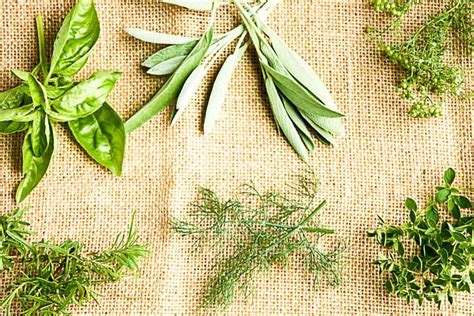
When herbs are too far gone for revitalization or you simply have an abundance, freezing is an excellent way to preserve their flavor for longer. This method is fantastic for most herbs, including basil, oregano, thyme, and rosemary.
Herbed Ice Cubes: Chop your herbs finely and pack them into ice cube trays. Cover them with a neutral oil (like olive oil or avocado oil) or water, then freeze until solid. Once frozen, pop out the cubes and store them in a freezer-safe bag. These are perfect for adding to soups, stews, sauces, or sautéed vegetables – just drop a cube in while cooking!

Flash Freezing: For heartier herbs like dill or parsley, you can simply chop them and spread them in a single layer on a baking sheet. Freeze until solid, then transfer to a freezer bag or airtight container. They’ll retain their individual form and can be easily sprinkled into dishes.
Drying for Long-Term Storage
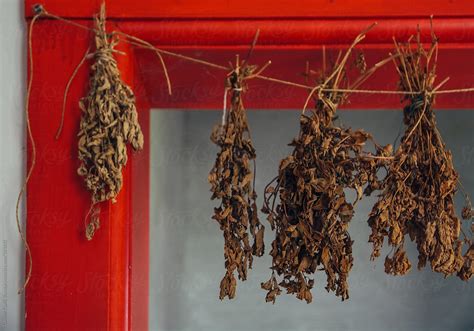
Drying is a classic method for preserving herbs and intensifying their flavors. While dried herbs have a different profile than fresh, they are incredibly convenient for cooking. Good candidates for drying include oregano, thyme, rosemary, sage, and mint.
- Air Drying: Bundle small bunches of herbs, tie them with twine, and hang them upside down in a warm, dry, well-ventilated area away from direct sunlight. They’ll be ready in 1-3 weeks, depending on the humidity.
- Oven Drying: For a quicker method, spread herbs on a baking sheet and dry them in an oven set to its lowest temperature (170-200°F or 75-90°C) for 1-4 hours, or until brittle. Leave the oven door slightly ajar to allow moisture to escape.
Creative Culinary Repurposing
Even if your herbs are beyond their fresh prime, they still hold a wealth of flavor that can be unlocked in cooked dishes or infused products.
- Pesto and Sauces: Wilting basil, parsley, or cilantro are ideal for making pestos, chimichurri, or green sauces. The blending process masks any visual imperfections, and the robust flavors shine through. Freeze extra pesto in small containers or ice cube trays for later use.
- Herbed Butters and Oils: Finely chop any remaining herbs and mix them into softened butter or infuse them into olive oil. Herbed butter can be rolled into a log and frozen, perfect for topping steaks, corn on the cob, or spreading on toast. Herb-infused oil makes a wonderful dipping oil or cooking base.

Infused Vinegars: Fill a clean bottle with your chosen herbs (rosemary, thyme, oregano work well), then top with white wine vinegar or apple cider vinegar. Let it sit in a cool, dark place for 2-4 weeks, shaking occasionally. Strain out the herbs, and you have a beautifully flavored vinegar for dressings and marinades.
Soups, Stews, and Smoothies
Don’t underestimate the power of cooked applications. Slightly wilted herbs are perfectly fine for adding to soups, stews, casseroles, and pasta sauces. Their flavor will infuse into the dish, and their texture won’t be as critical.
Surprisingly, some herbs like mint and parsley can even be added to smoothies! They provide a fresh, green kick and a boost of nutrients without overpowering the other ingredients, especially if they are just a little past their peak.
Embrace the Full Flavor Cycle
By adopting these creative hacks, you not only reduce food waste but also extend the life and utility of your fresh herbs. From reviving them with a simple water bath to transforming them into long-lasting frozen cubes or flavorful pestos, there are countless ways to ensure every leaf contributes to your culinary creations. So next time you spot some wilting herbs, remember they’re not past their prime – they’re just waiting for their next delicious adventure in your kitchen.