Meal prep: How to keep cut veggies crisp & fresh for days?
Meal prepping is a game-changer for healthy eating, but keeping cut vegetables fresh and crisp can be a challenge. No one wants soggy bell peppers or wilting lettuce! The good news is, with a few clever techniques, you can extend the life of your prepped produce for days, making your weekly meals a breeze.
Understanding Why Veggies Lose Their Crispness
When you cut vegetables, you break their cell walls, exposing them to air and light. This triggers oxidation, which leads to browning and nutrient loss. Simultaneously, moisture loss through evaporation causes wilting and softness. Combatting these two factors is key to successful preservation.
Essential Preparation Steps
Start with Quality Produce
The fresher the vegetable is when you buy it, the longer it will last once cut. Look for vibrant colors, firm textures, and no signs of bruising or decay.
Cleanliness is Crucial
Always wash your vegetables thoroughly before cutting to remove dirt and bacteria. Use clean cutting boards and knives to prevent cross-contamination, which can accelerate spoilage.
Dry Before Storing (Mostly!)
For many vegetables, excess moisture on the surface can encourage bacterial growth and sliminess. After washing, ensure they are thoroughly dried using a salad spinner or paper towels before storing, unless the method specifically calls for water.
Top Storage Methods for Maximum Freshness
The Water Bath Method (For Sturdier Veggies)
This technique is fantastic for hard, crisp vegetables like carrots, celery sticks, bell pepper strips, and even cucumber slices. Submerging them in water helps prevent dehydration and keeps them crisp.
How to do it: Place your cut veggies in an airtight container or a jar. Fill the container with cold water until the vegetables are fully submerged. Seal tightly and store in the refrigerator. Change the water every day or two to maintain freshness.
The Paper Towel Wrap (For Leafy Greens & Broccoli/Cauliflower)
For delicate greens like lettuce, spinach, kale, or pre-cut broccoli florets and cauliflower, excess moisture on the surface is the enemy. A dry paper towel acts as a moisture regulator.
How to do it: Wash and thoroughly dry your greens or florets. Line an airtight container with a clean, dry paper towel. Add the vegetables, then place another paper towel on top. Seal the container tightly. The paper towels will absorb excess moisture, preventing sliminess and wilting. Replace the paper towels if they become damp.

Airtight Containers Are Your Best Friend
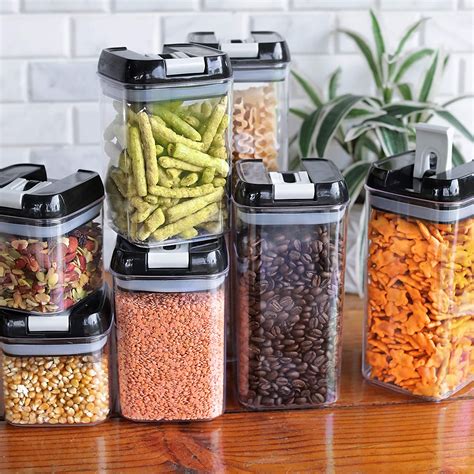
Regardless of the specific method, storing cut vegetables in truly airtight containers is paramount. This minimizes exposure to oxygen, slowing down oxidation and keeping external odors out. Glass containers are often preferred as they don’t absorb odors or colors.
Specific Vegetable Tips
- Onions & Garlic: Store chopped onions in an airtight container (glass is best to contain odors) to prevent their strong smell from permeating other foods. They tend to lose their pungency and crispness quickly, so use within a few days.
- Tomatoes: While whole tomatoes should be stored at room temperature, cut tomatoes (halves, diced) should be placed in an airtight container in the refrigerator and used within 1-2 days. The cold will diminish their flavor slightly but is necessary for safety.
- Avocado: To prevent browning, store cut avocado halves with the pit still in, brush the cut surface with lemon or lime juice, and place it in an airtight container. An onion slice stored nearby can also help slow oxidation due to its sulfur compounds.
Maximizing Shelf Life: Additional Pro Tips
- Don’t Cut Too Far in Advance: While meal prep is great, some veggies (like mushrooms) are best sliced just before use.
- Avoid Overpacking: Give vegetables a little breathing room in their containers to allow for air circulation and prevent crushing.
- Separate Strong-Smelling Veggies: Store onions and garlic away from more delicate produce to prevent flavor transfer.
- Label and Date: Always label your containers with the date they were prepped so you know exactly how long they’ve been stored.

With these simple yet effective strategies, you can confidently prepare your vegetables for the week ahead, knowing they’ll stay deliciously crisp and nutritious. Say goodbye to food waste and hello to effortless, healthy meals!