Meal prep success: Share your visual guides for storing prepped veggies fresh!
Mastering Freshness: Your Guide to Storing Prepped Vegetables
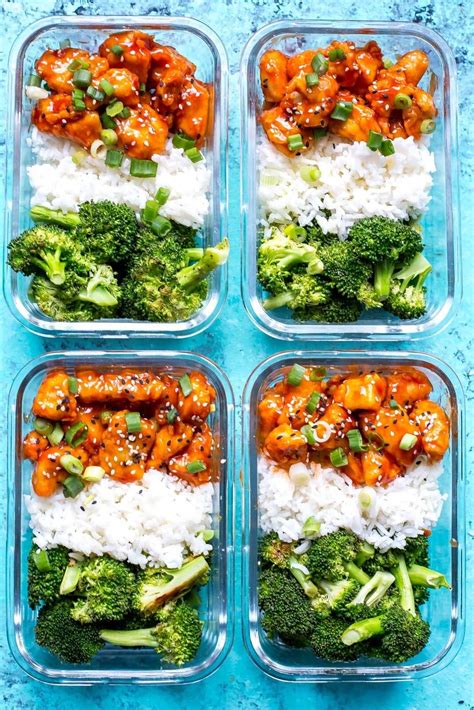
Meal prepping is a game-changer for busy schedules and healthy eating habits. However, one of the biggest challenges is keeping prepped vegetables fresh and crisp throughout the week. Nobody wants soggy lettuce or wilting carrots! The key to meal prep success lies not just in the chopping, but in the intelligent storage that follows. This guide will walk you through various methods and offer visual insights into preserving the life of your produce, ensuring your prepped veggies are as vibrant on Friday as they were on Sunday.
Understanding the Enemies of Freshness: Moisture, Air, and Ethylene
Before diving into specific storage techniques, it’s crucial to understand what makes vegetables spoil. Excess moisture can lead to mold and sliminess, while too much air exposure can cause wilting and dehydration. Some fruits and vegetables also release ethylene gas, a natural ripening agent that can prematurely spoil ethylene-sensitive produce stored nearby. Knowing these factors helps us choose the best storage solutions.
Root Vegetables and Hardy Greens: Built to Last (with a Little Help)
Root vegetables like carrots, celery, and potatoes, along with hardy greens such as kale and collard greens, are generally more forgiving. The trick is to manage their moisture levels and airflow.
Carrots, Celery, and Bell Peppers
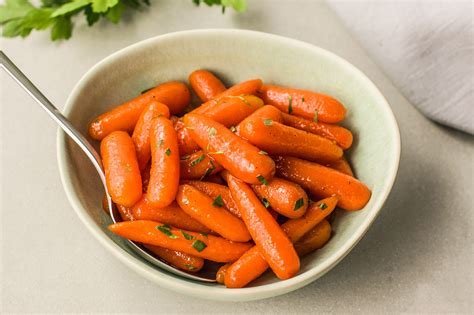
- Carrots & Celery: Once chopped, store them submerged in a container of cold water in the refrigerator. Change the water every 1-2 days. This keeps them crisp and prevents dehydration.
- Bell Peppers: Wash, core, and chop them. Store in an airtight container lined with a paper towel to absorb excess moisture. They can also be frozen for longer storage, though their texture will soften slightly.
Hardy Greens (Kale, Collards, Swiss Chard)
Wash, dry thoroughly (a salad spinner is your best friend here!), and then wrap them loosely in a paper towel. Place them in a sealed bag or container in the crisper drawer. The paper towel absorbs excess moisture, preventing them from getting slimy while still maintaining some humidity.
Delicate Greens and Herbs: Handle with Care
Lettuce, spinach, cilantro, parsley, and basil require a more delicate touch. Their high water content and fragile structure make them prone to wilting and spoilage if not stored correctly.
Leafy Greens (Lettuce, Spinach, Arugula)
The key here is dryness and protection. Wash your greens, then dry them meticulously using a salad spinner. Place them in an airtight container with a dry paper towel on top and bottom. The paper towels absorb condensation, keeping the leaves dry. Change the paper towels if they become damp.
Fresh Herbs (Cilantro, Parsley, Dill)
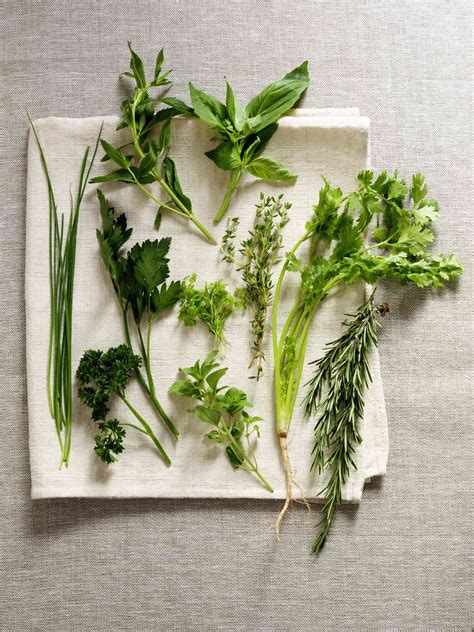
Treat these like a bouquet of flowers! Trim the bottom of the stems, place them upright in a glass with an inch or two of water, and cover loosely with a plastic bag. Store in the refrigerator. For basil, it’s similar, but keep it on the countertop at room temperature, away from direct sunlight, as basil is sensitive to cold.
Broccoli, Cauliflower, and Other Staples
These versatile vegetables also benefit from specific storage methods.
- Broccoli & Cauliflower: Break into florets, wash, and dry. Store in an open or loosely sealed container in the crisper drawer. If completely sealed, they can accumulate too much moisture.
- Cucumbers: Keep them whole until just before use for the best texture. If sliced, store in an airtight container in the fridge for 1-2 days.
- Tomatoes: Store whole, at room temperature, away from direct sunlight. Refrigeration can make them mealy and diminish flavor. Only refrigerate very ripe tomatoes to slow further ripening, and bring them back to room temperature before eating.
General Tips for Maximizing Veggie Longevity
Beyond specific techniques, a few general rules apply across the board:
- Start Fresh: Always begin with the freshest produce you can find.
- Dry is Key (Mostly): Most vegetables benefit from being dry before storage, especially leafy greens, to prevent mold.
- Proper Containers: Use airtight containers or resealable bags. Glass containers are excellent as they don’t absorb odors and are easy to clean.
- Don’t Overcrowd: Give your veggies some space. Overcrowding can lead to quicker spoilage.
- Separate Ethylene Producers: Keep apples, bananas, and avocados away from ethylene-sensitive vegetables like lettuce, broccoli, and carrots.

Your Turn: Share Your Visual Guides!
Successfully storing prepped vegetables is an art form, and everyone develops their own tricks. We invite you to share your unique visual guides and methods! Do you have a clever way to keep your herbs vibrant? A secret for crisp bell peppers? Post your photos, tips, and tricks in the comments below. Let’s build a community resource for fresher, longer-lasting meal prep!