My dish never looks like the recipe photo. What visual plating secrets am I missing?

Why Your Plate Doesn’t Mirror the Magazine
It’s a common kitchen frustration: you follow a recipe to the letter, the dish tastes fantastic, but when you serve it, it bears little resemblance to the beautifully styled photo that inspired you. You’re not alone! Professional food photographers and stylists employ specific techniques to make food look its best, and many of these are surprisingly accessible for the home cook. The good news is, a few simple plating secrets can elevate your dishes from delicious to dazzling.
Understanding the Foundation of Good Plating
Consider Color and Contrast
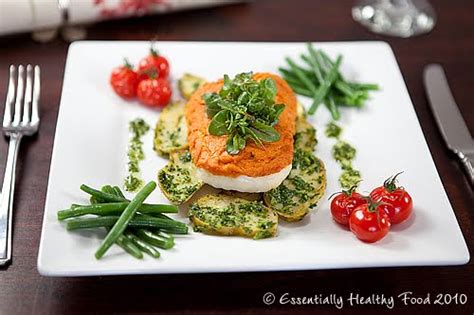
One of the most immediate ways to make food appealing is through color. Recipe photos often feature a vibrant array of hues. Think about how different components of your dish offer visual interest. A monochromatic plate can look dull, but adding a sprinkle of fresh green herbs, a dash of colorful spice, or a bright sauce can instantly liven things up. Contrasting colors (like red tomatoes against green basil) naturally draw the eye.
Texture Variety is Key
Just as important as taste, texture plays a huge role in visual appeal. A dish composed entirely of soft elements can look uninspired. Introduce crunch (like toasted nuts, croutons, or crisp vegetables), smoothness (like a purée or sauce), and chewiness to create dynamic interest. Visually, these different textures add depth and make the plate more engaging.
Mastering the Art of Arrangement
Build Up, Don’t Spread Out
Professional plating often involves creating height. Instead of spreading your components flat across the plate, think about stacking or layering. This could mean piling rice slightly higher, leaning grilled vegetables against a protein, or creating a small tower with a ring mold. Height adds a sculptural quality that’s inherently more interesting than a flat presentation.
Embrace Negative Space
It’s tempting to fill every inch of the plate, but less is often more. Leaving some white space (or negative space) around your food allows each component to stand out and gives the dish a more refined, elegant feel. Think of the plate as a canvas, and your food as the art; you don’t paint to the very edges of the canvas.
The Power of Sauce and Drizzle
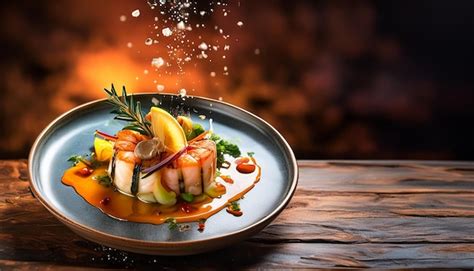
Sauces aren’t just for flavor; they’re a powerful plating tool. Instead of pouring sauce all over your dish, consider spooning it artfully beneath the main component, drizzling it in a zig-zag pattern, or making a decorative swirl. A squeeze bottle can be your best friend for precise application. Use contrasting colors for maximum impact, e.g., a dark balsamic reduction on a light-colored protein.

The Finishing Touches: Garnishes and Tools
Garnishes are Not Optional
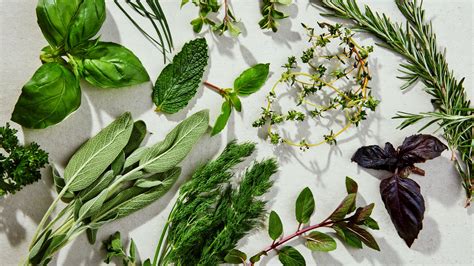
A garnish isn’t just an afterthought; it’s the culinary equivalent of jewelry. Fresh herbs (parsley, cilantro, chives), a lemon or lime wedge, a sprinkle of toasted seeds, microgreens, or even a dusting of paprika can provide a final pop of color, texture, and freshness that completes the picture. Ensure your garnish is edible and complements the dish’s flavor.
Utilize Plating Tools
While not strictly necessary, some simple tools can make a big difference. An offset spatula helps with delicate lifting and spreading. Plating rings or cookie cutters can create perfectly round portions of grains or vegetables. Tongs are invaluable for precise placement. Even a clean paper towel can be used to wipe plate edges clean of accidental drips, creating a professional finish.
Practice Makes Perfect
Just like any skill, plating takes practice. Don’t be discouraged if your first attempts aren’t photo-ready. Start by focusing on one or two techniques at a time. Pay attention to how restaurants plate their food, and draw inspiration from various sources. With a little intentional effort, you’ll soon find your home-cooked meals looking as good as they taste, rivaling those glossy recipe photos.