My recipe photos look bland. How to style dishes for stunning visual feeds?
Elevate Your Recipe Photography: From Bland to Brilliant
Are your delicious home-cooked meals falling flat in photos? You’re not alone. Many aspiring food bloggers and home cooks struggle to translate the taste and aroma of their dishes into captivating visuals. Bland, uninspiring photos can deter potential followers and diminish the perceived quality of your recipes. The good news? With a few key food styling principles, you can transform your recipe photography from forgettable to absolutely drool-worthy.
It’s not just about what you cook, but how you present it. Food styling is an art form that uses composition, lighting, props, and garnishes to enhance a dish’s visual appeal. Let’s dive into the techniques that will make your culinary creations shine on camera.
Master the Art of Plating: The Foundation of Food Styling
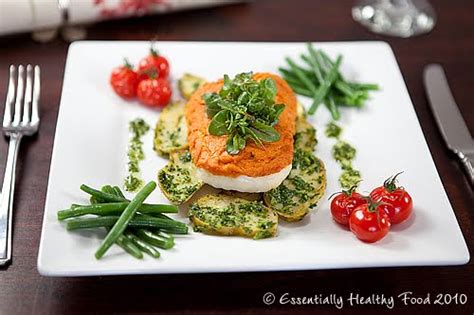
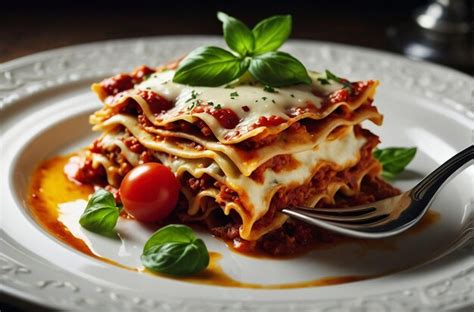
Before you even think about lighting or props, perfect your plating. This is where your dish truly comes to life. Think about the arrangement of ingredients, aiming for balance and visual interest. Avoid overcrowding; negative space can be your friend, allowing the main elements to breathe and stand out. Consider using the ‘rule of thirds’ or a natural ‘S’ curve to guide the viewer’s eye across the plate. Build your dish with layers and varying heights to add dimension.
A well-plated dish tells a story, highlighting its textures, colors, and key components. It’s about making the food look approachable yet refined.
Harnessing Light and Angles: Your Camera’s Best Friends
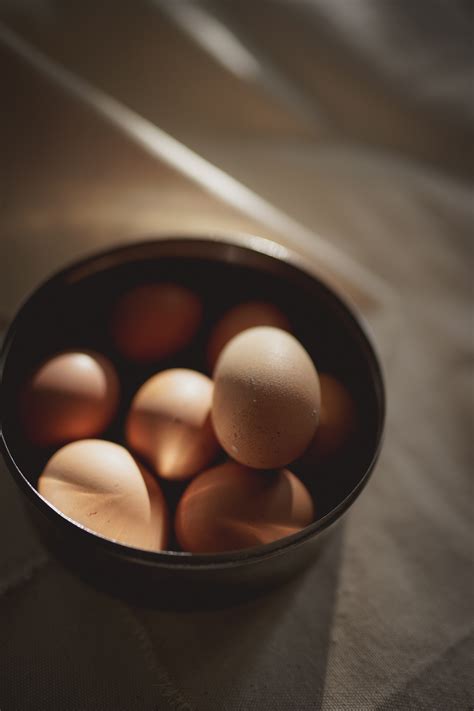
Light is paramount in photography, and food is no exception. Natural light is almost always your best bet. Position your setup near a window, but avoid direct sunlight which can create harsh shadows and blow out details. Soft, diffused light from the side or slightly behind your dish works wonders, highlighting textures and creating depth. If natural light isn’t an option, invest in a softbox or LED panel with adjustable brightness and color temperature.
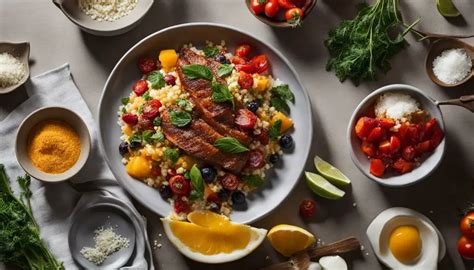
Experiment with different angles. An overhead (flat lay) shot works great for bowls, drinks, or dishes with beautiful patterns. A 45-degree angle often mimics how we see food at a table, making it feel inviting. And don’t shy away from close-ups to capture delicious details like glistening sauces or crisp textures.
The Power of Props and Backgrounds: Setting the Scene
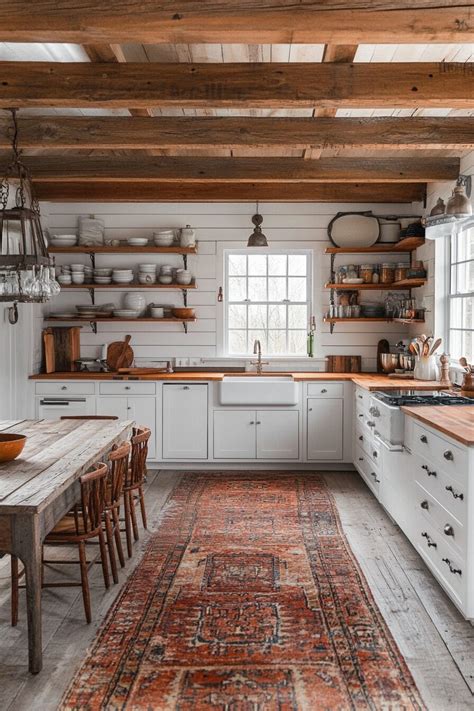
Props and backgrounds are crucial for storytelling and adding context to your food. Choose items that complement, rather than compete with, your dish. Think about the mood you want to convey: rustic, elegant, modern, or cozy. Simple, neutral backgrounds (wood, linen, concrete) often work best, allowing your food to be the star.
Select appropriate dishes, cutlery, napkins, and cutting boards. A few scattered ingredients used in the recipe, a sprig of fresh herbs, or a hand reaching for a piece can add dynamism and human connection. Keep your props minimal and relevant to avoid clutter.

Color, Texture, and Garnish: The Finishing Touches
Once your main dish is plated, it’s time for the final flourishes. Think about how to introduce contrasting colors and textures. A sprinkle of fresh herbs (parsley, cilantro, dill) can instantly brighten a dish. A drizzle of olive oil, a swirl of cream, or a dusting of powdered sugar can add shine and visual interest. Edible flowers, a wedge of lemon, or toasted nuts can provide pops of color and intriguing textures.
These small additions make a huge difference, transforming a simple plate into a feast for the eyes. Always garnish with intention and precision.

Storytelling and Authenticity: Beyond the Perfect Shot
While perfecting the technical aspects is important, remember to let your personality shine through. Authentic food photography often resonates most with an audience. Don’t be afraid to show imperfections, a crumbly edge, or a slight drip that suggests real food, freshly made. Consider capturing a ‘behind-the-scenes’ element – a hand grating cheese, a drizzle in action, or the steam rising from a hot dish.
The best food photos evoke emotion and make people want to reach through the screen and take a bite. It’s about capturing the essence of the dish and the experience of eating it.
Practice Makes Perfect: Your Journey to Stunning Food Photography
Improving your food photography is a journey, not a destination. Don’t get discouraged if your first attempts aren’t perfect. Experiment with different angles, lighting conditions, and props. Pay attention to what works and what doesn’t. Observe food stylists and photographers you admire and try to understand their techniques. With consistent practice and a keen eye for detail, you’ll soon be styling and shooting dishes that are as visually stunning as they are delicious. Happy snapping!