My Visual Bites aren’t converting. How to create visuals truly resonating with real foodies?

The Foodie’s Gaze: Why Your Visual Bites Fall Flat
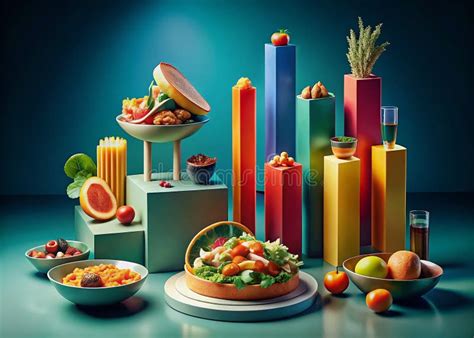
In the vibrant, often overwhelming, world of food content, stunning visuals are no longer a luxury—they’re an expectation. Yet, many creators find their beautifully crafted ‘visual bites’ failing to translate into engagement, shares, or sales. The core problem often isn’t a lack of aesthetic appeal, but a disconnect with the nuanced desires of the true foodie. A real foodie isn’t just looking for a pretty picture; they’re seeking an experience, a story, a promise of flavor that transcends the screen.
To truly resonate, your visuals need to move beyond mere attractiveness and tap into the sensory, emotional, and authentic aspects of food. It’s about understanding what makes a foodie tick and then translating that understanding into every frame.
Beyond Perfection: Embracing Authenticity and Imperfection
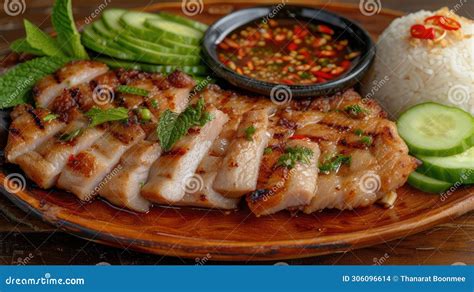
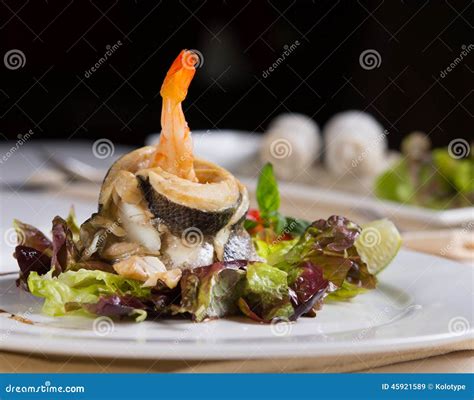
One of the biggest pitfalls is striving for unattainable perfection. While polished imagery has its place, real foodies often gravitate towards authenticity. They want to see food that looks real, delicious, and approachable, not something airbrushed into oblivion. Think about the comforting steam rising from a dish, a perfectly imperfect sprinkle of herbs, or the slight char on roasted vegetables. These small details convey authenticity and make the food feel more tangible and desirable.
Focus on capturing the ‘soul’ of the dish rather than just its surface. This often means showcasing the textures, the process, and the natural elements that make food so appealing.
Storytelling Through the Lens: What’s Your Dish’s Narrative?
Every dish has a story, and your visuals are its narrators. Are you conveying the freshness of the ingredients, the traditional methods used, the cultural background, or the joy of sharing a meal? A static shot of a finished plate might be nice, but a series of images or a thoughtfully composed single shot can tell a richer tale.
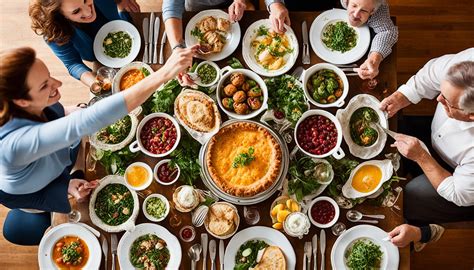
Consider context: where is the food being eaten? Who is enjoying it? What’s the mood? Incorporating human elements, even subtle ones like a hand reaching for a fork, can add immense warmth and relatability. Use props and backgrounds that enhance the story without distracting from the food itself.
Sensory Stimulation: Making Them Taste with Their Eyes
Foodies eat with their eyes first. Your visuals need to evoke a sensory experience. Can they almost smell the spices? Feel the crunch of the crust? Taste the sweetness of the dessert? This is achieved through careful attention to detail, lighting, and composition.
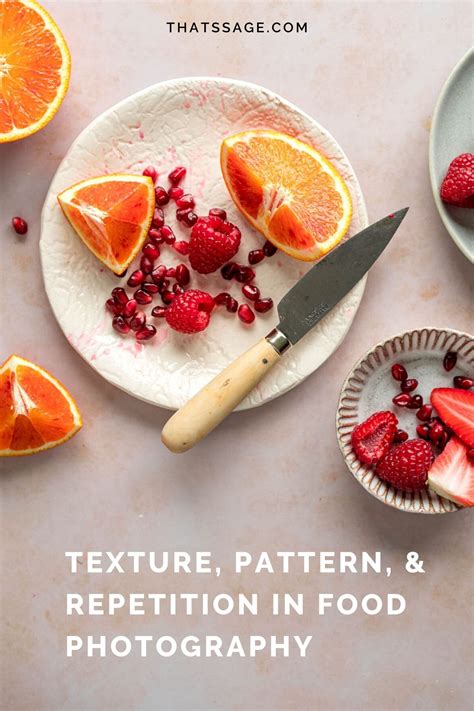
- Texture: Highlight the different textures—the gooey cheese, the crispy skin, the tender meat.
- Temperature: Showcase steam for hot dishes, condensation for cold drinks.
- Freshness: Bright, vibrant colors of fresh produce are key.
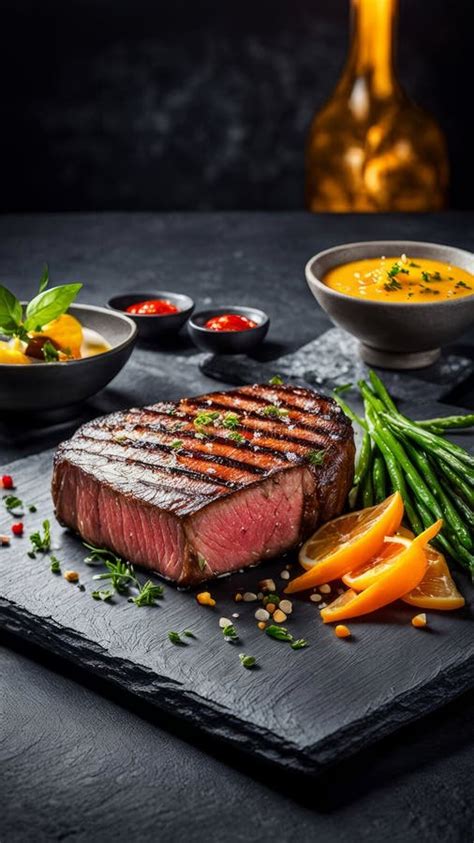
- Juiciness/Moisture: A glistening sauce or a perfectly seared piece of meat can be incredibly enticing.
Technical Mastery Meets Artistic Vision
While authenticity is paramount, technical skill underpins everything. Poor lighting, blurry focus, or unflattering angles can kill a visual, no matter how authentic the subject. Invest time in understanding:
- Natural Light: Often your best friend for food photography. Soft, diffused natural light is usually ideal.
- Composition: Use the rule of thirds, leading lines, and negative space to create balanced and engaging shots.
- Depth of Field: A shallow depth of field can beautifully isolate your subject and make it pop.
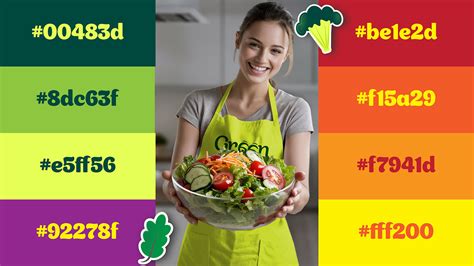
- Color Theory: Use complementary colors to make your food stand out, or monochromatic palettes for a sophisticated feel.
- Styling: Even the most rustic dish benefits from thoughtful plating and minimal, relevant props.
Engaging the Community: Feedback and Iteration
Don’t be afraid to experiment and seek feedback. Share different styles of visuals and pay attention to what resonates most with your audience. What gets the most likes, comments, and shares? What questions do people ask? Use these insights to refine your approach. Remember, creating visuals that convert isn’t a one-time fix; it’s an ongoing process of understanding your audience, honing your craft, and passionately presenting the incredible world of food.
By shifting your focus from merely ‘pretty’ to genuinely ‘palatable’ and purposeful, your visual bites will start doing more than just catching eyes—they’ll be driving action, one delicious frame at a time.