My ‘Visual Bites’ look flat. How can I add visual depth to food photos for foodies?

Are your culinary creations looking delicious in person but falling flat in photos? Many food photographers struggle with transforming a two-dimensional image into a sensory experience that truly conveys the deliciousness and texture of a dish. For foodies, a picture isn’t just about identification; it’s about anticipation and desire. Adding visual depth is key to making your ‘visual bites’ pop off the screen and connect with your audience.
Understanding the Flatness Problem
Flat photos often lack contrast, proper lighting, and a sense of dimension. They can appear one-dimensional because the eye doesn’t have various elements to move through, from foreground to background. This makes the subject blend into its surroundings rather than stand out. The solution lies in strategically manipulating light, perspective, and arrangement to create an illusion of space and three-dimensionality.
Mastering Lighting: The Foundation of Depth
Lighting is perhaps the most critical element for creating depth. Flat, direct frontal lighting often washes out details and shadows, which are essential for showing form and texture. Instead, embrace directional light sources.
- Side Lighting: Placing your light source to the side of your dish creates shadows and highlights that define contours and textures, making the food look more sculptural.
- Backlighting: Light from behind can create beautiful rim lighting, separating the subject from the background and adding a dramatic glow, especially around translucent elements or steam. This technique is fantastic for showcasing steam, frost, or the edges of a crust.
- Controlling Shadows: Don’t fear shadows; use them to your advantage! Shadows add mood, tell a story, and most importantly, contribute to the perception of depth by defining shapes and distances.
Composition Cues: Leading the Eye
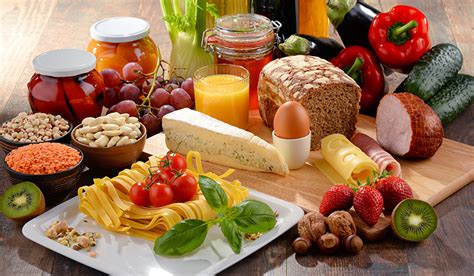
Strategic composition guides the viewer’s eye through the scene, enhancing the perception of depth. Think about your shot in layers: foreground, midground, and background.
- Foreground Interest: Introduce elements in the foreground that are slightly out of focus. This immediately creates a sense of depth, as the viewer’s eye naturally moves from the blurry front to the sharp main subject.
- Midground Focus: This is where your main dish, the star of the show, should be sharply in focus.
- Background Story: Even if softly blurred, the background should complement the dish without distracting from it. Props or contextual elements here add to the scene’s richness and depth.
- Leading Lines & Diagonal Elements: Use cutlery, tablecloth folds, or the arrangement of ingredients to create lines that lead the eye into and through the frame, reinforcing the sense of space.
Props & Textures: Adding Layers of Interest
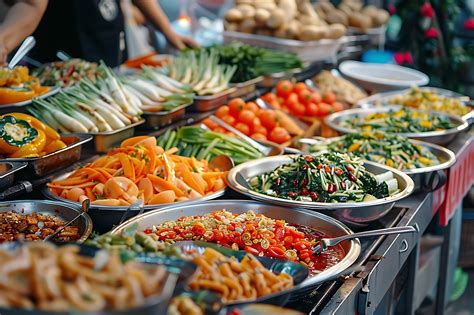
Beyond the food itself, the right props and textures can significantly contribute to depth. Choose props that provide contrast in material, shape, and color.
- Thoughtful Props: A crumpled linen napkin, a rustic wooden board, or vintage silverware can add tactile interest and layers to your scene. Ensure props don’t overpower the food but rather enhance its story.
- Varying Textures: Combine smooth surfaces with rough, shiny with matte. A glossy glaze on a pastry set against a rough ceramic plate, for example, creates a dynamic interplay of textures that feels more dimensional.
The Power of Focus & Aperture
Your camera settings, particularly aperture, play a huge role in depth perception. A wider aperture (smaller f-number, e.g., f/1.8 to f/4) creates a shallow depth of field, meaning only a narrow plane of your image will be in sharp focus, while the rest blurs out beautifully.
- Shallow Depth of Field: This technique, often called ‘bokeh,’ draws the eye directly to your main subject, separating it from the foreground and background and instantly adding depth.
- Selective Focus: Deliberately choose a specific part of your dish to be the sharpest point, making it stand out and giving the photo a focal point around which depth is perceived.
Post-Processing for Punch
Even with excellent photography, post-processing can refine and enhance the perceived depth in your ‘visual bites’.
- Contrast & Clarity: Boosting contrast can deepen shadows and brighten highlights, while increasing clarity can enhance micro-contrast, making textures pop. Be careful not to overdo it, as it can look artificial.
- Dodging & Burning: Selectively lightening (dodging) highlights and darkening (burning) shadows can sculpt the food and create more defined contours, mimicking the effect of natural light and shadow.
- Vignetting: A subtle vignette can darken the edges of the frame, drawing the viewer’s eye inward towards the brighter, sharper subject in the center, thereby enhancing depth.
Transforming flat food photos into compelling ‘visual bites’ requires a deliberate approach to light, composition, styling, and post-processing. By understanding and applying these techniques, you can add incredible visual depth to your images, making your food creations irresistible to foodies and leaving them craving for more than just a glance.