Optimize fresh produce storage for peak visual appeal & taste?
Unlock Peak Freshness: Your Guide to Optimal Produce Storage
There’s nothing quite like the vibrant color and crisp taste of fresh produce. Yet, all too often, our beautiful fruits and vegetables wilt, brown, or lose their flavor long before we’ve had a chance to enjoy them. The secret to extending their peak visual appeal and taste lies not just in choosing quality produce, but in understanding and implementing smart storage techniques. By mastering a few simple principles, you can significantly reduce food waste, save money, and ensure every bite is as delicious as nature intended.
Know Your Produce: The Great Divide
Not all fruits and vegetables are created equal when it comes to storage. Some thrive in the cold embrace of your refrigerator, while others prefer the more temperate climate of your countertop. Understanding these fundamental preferences is the first step toward preserving their quality.
Refrigeration Essentials
Most fruits and vegetables benefit from refrigeration. Leafy greens, berries, apples (once ripe), grapes, carrots, broccoli, and cauliflower all prefer the cool, humid environment of your fridge, particularly the crisper drawers. Keep them in their original packaging or perforated bags to allow for some airflow while maintaining moisture.
Room Temperature Dwellers
Conversely, certain items suffer in the cold. Tomatoes lose their flavor and develop a mealy texture, potatoes and onions sprout faster, and bananas, avocados, and stone fruits (peaches, plums) stop ripening and can suffer cold damage. These are best kept on your counter until they reach desired ripeness, then some (like avocados and stone fruits) can be moved to the fridge to pause further ripening.
The Science of Spoilage: Ethylene & Moisture Control
Beyond temperature, two major factors influence how quickly your produce degrades: ethylene gas and moisture levels. Ethylene is a natural ripening hormone produced by certain fruits and vegetables, which can accelerate spoilage in sensitive items.
Ethylene Producers vs. Ethylene Sensitive
Apples, bananas, avocados, and tomatoes are strong ethylene producers. Keep these separate from ethylene-sensitive items like leafy greens, broccoli, carrots, and berries, which can quickly yellow, soften, or rot when exposed to the gas. A good rule of thumb is to store ethylene producers in their own bowl or drawer.
Humidity and Airflow
Proper humidity prevents wilting and shriveling, while adequate airflow deters mold and mildew. Crisper drawers in your refrigerator are designed to manage humidity: use the high-humidity setting for leafy greens and herbs, and the low-humidity setting for fruits and vegetables that emit ethylene or prefer slightly drier conditions.

Smart Storage Solutions for Every Item
Specific produce types often benefit from tailored storage approaches that go beyond just temperature and ethylene separation.
- Leafy Greens (Lettuce, Spinach, Kale): Wash, thoroughly dry, and then store in an airtight container lined with a paper towel. This absorbs excess moisture and keeps them crisp for over a week.
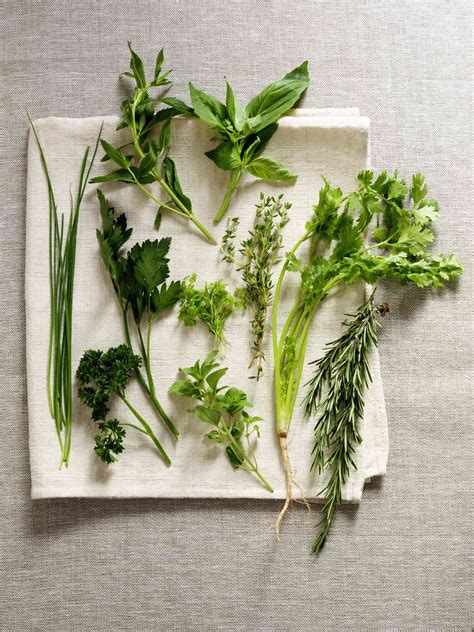
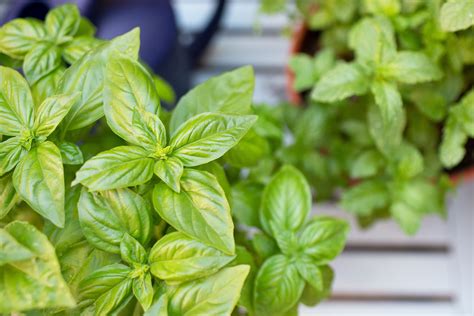
- Herbs (Cilantro, Parsley, Basil): Treat them like flowers. Trim the stems, place them in a jar with an inch or two of water, cover loosely with a plastic bag, and refrigerate (except basil, which prefers room temperature).
- Berries: Do not wash until just before eating. Store them unwashed in a single layer in a breathable container in the fridge to prevent mold.
- Root Vegetables (Carrots, Beets, Radishes): Trim off greens (which draw moisture from the roots), wash, dry, and store in a sealed bag or container in the crisper drawer.
- Asparagus: Stand upright in a glass with a little water at the bottom, cover spears loosely with a plastic bag, and refrigerate.
Pre-Prep & Practical Hacks for Lasting Freshness
A little preparation can go a long way in preserving your produce’s vitality.
- Wash and Dry (Strategically): While most produce should be washed just before use, items like leafy greens or pre-cut vegetables can benefit from a wash and thorough drying immediately after purchase if you plan to use them within a few days. The key is thoroughly drying to prevent bacterial growth.
- Don’t Crowd: Give your produce space. Overcrowding can lead to faster spoilage due to lack of airflow and increased moisture.
- Inspect Regularly: Remove any wilting or spoiled items immediately. One bad apple (literally!) can spoil the bunch.
Conclusion: Enjoying Produce at its Best
Optimizing your fresh produce storage is a simple yet powerful way to elevate your culinary experience. By paying attention to temperature, managing ethylene gas, controlling moisture, and employing a few targeted strategies for different items, you can dramatically extend the life and quality of your fruits and vegetables. Say goodbye to soggy greens and mealy tomatoes, and hello to a kitchen full of vibrant, flavorful ingredients, ready to inspire your next meal.