Optimize fridge layout to keep fresh produce crisp and visible for quick cooking?
The Art of a Well-Organized Produce Drawer
Transforming your refrigerator from a chaotic jumble into an organized hub for fresh produce is more than just an aesthetic upgrade; it’s a strategic move for healthier eating, reduced food waste, and quicker meal preparation. When your fruits and vegetables are crisp, visible, and easily accessible, you’re far more likely to grab them for a snack or incorporate them into your next meal.
The secret lies in understanding your fridge’s zones and applying smart storage techniques that cater to the unique needs of different produce items.
Understanding Your Fridge’s Zones
Your refrigerator isn’t uniformly cold or humid. Different areas offer varying conditions perfect for specific types of food. Mastering these zones is the first step towards optimal produce storage.
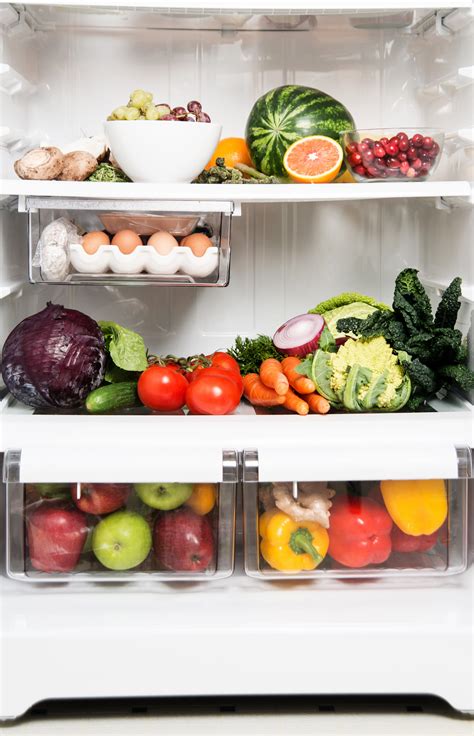
- Crisper Drawers: These are your best friends for produce. Most fridges have two: one for high humidity and one for low humidity.
- Top Shelf: Generally the warmest part of the main compartment. Ideal for ready-to-eat items.
- Middle Shelves: Consistent, moderate temperature. Good for pre-prepped ingredients.
- Bottom Shelf: Often the coldest, but usually where crisper drawers are located.
- Door: Experiences the most temperature fluctuation, making it unsuitable for sensitive produce.
Maximizing Your Crisper Drawers
The crisper drawers are designed to manage humidity levels, crucial for extending the life of your fruits and vegetables.
High-Humidity Drawer (Vent Closed)
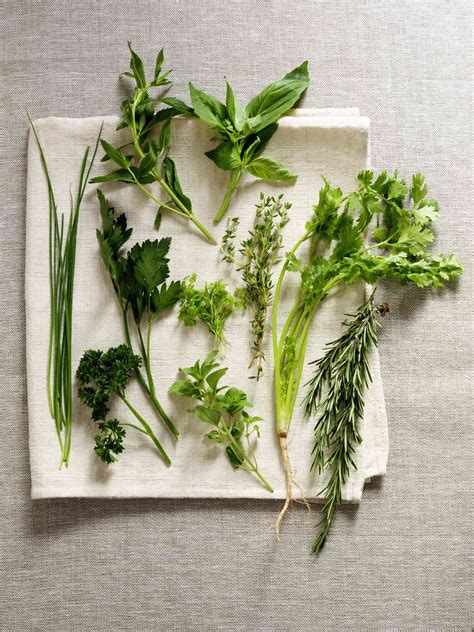
Best for leafy greens (spinach, lettuce, kale), herbs (cilantro, parsley), and thin-skinned vegetables (carrots, broccoli, cucumbers). These items wilt quickly in dry air, so the high humidity helps them retain moisture and crispness. Store them unwashed in breathable bags or containers.
Low-Humidity Drawer (Vent Open)
Ideal for fruits and vegetables that produce ethylene gas, which causes other produce to ripen and spoil faster. This includes most fruits (apples, pears, melon, stone fruit) and some vegetables like bell peppers. The open vent allows the ethylene gas to escape, preventing premature spoilage.
Strategic Placement on Shelves
Beyond the crispers, the main shelves offer valuable real estate for produce that doesn’t need high humidity or items you’ve already prepped.
- Top Shelf: Place delicate berries (washed and dried), herbs stored upright in a jar of water (like a bouquet), or small quantities of quick-grab produce.
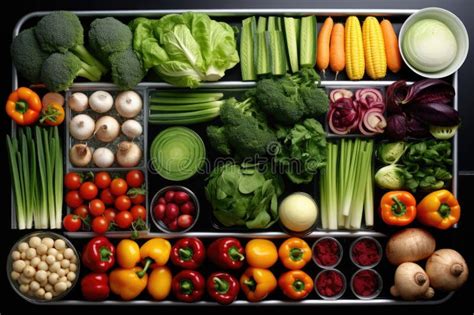
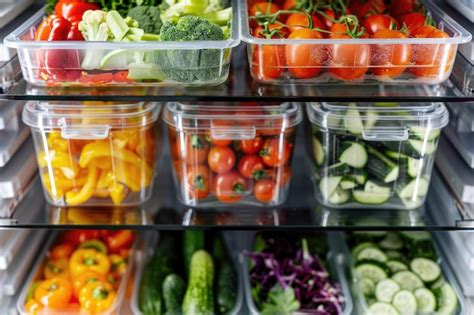
- Middle Shelves: This is prime real estate for washed, chopped, and ready-to-use vegetables in clear, airtight containers. Think sliced bell peppers, carrot sticks, or chopped celery. This visibility is key for quick cooking.
- Avoid the Door: Due to frequent temperature changes, the door is not suitable for most produce. Stick to condiments and non-perishables here.

The Power of Pre-Prep and Visibility
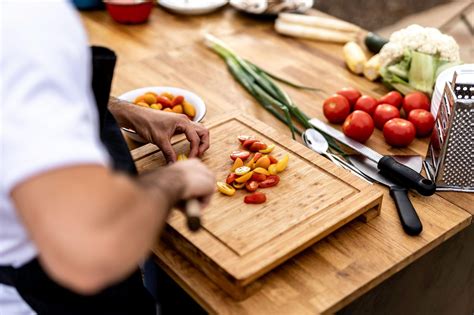
One of the most effective strategies for quick cooking is pre-prepping your produce shortly after grocery shopping. Wash, dry, chop, and store vegetables like bell peppers, carrots, celery, and cucumbers in clear, airtight containers on your middle shelves. For greens, wash, spin dry, and store in a container lined with a paper towel.
Clear containers are non-negotiable. If you can see it, you’re more likely to use it. This visibility not only reminds you what you have but also prevents forgotten, spoiled produce lurking in the back.
Ethylene Producers and Sensitives: Keep Them Apart
Some fruits and vegetables emit ethylene gas, a natural plant hormone that speeds up ripening. Others are very sensitive to it. Storing them together can lead to premature spoilage.
- High Ethylene Producers: Apples, avocados, bananas (ripe), cantaloupe, kiwi, pears, tomatoes.
- Ethylene Sensitive: Broccoli, carrots, cucumbers, leafy greens, eggplant, potatoes, berries.
A good rule of thumb is to store ethylene producers in the low-humidity crisper drawer (if they need refrigeration) or outside the fridge, away from sensitive items.
Regular Maintenance for Lasting Freshness
Even the best layout needs regular upkeep. Designate a weekly “fridge clean-out” day. Remove any expired or spoiled items, wipe down shelves, and take inventory of what you have. This prevents lingering odors, makes room for new groceries, and helps you plan meals based on what needs to be used first.
By implementing these strategies, your fridge will transform into an efficient, waste-reducing, and inspiring space that supports your healthy eating and cooking habits. Enjoy crisper greens, longer-lasting fruits, and the satisfaction of a well-ordered kitchen.