Optimize visual bite thumbnails for foodie recipe clicks?
In the vast, hungry world of online food content, a recipe’s first impression is often its last. Before a user even considers reading ingredients or instructions, their eyes are drawn to a small, enticing square: the thumbnail. For food bloggers, chefs, and content creators, optimizing these visual bites isn’t just an aesthetic choice; it’s a strategic imperative for driving clicks and engagement. A compelling thumbnail acts as a digital appetizer, promising deliciousness and luring foodies deeper into your culinary creations.
The Undeniable Power of the Pixel-Perfect Thumbnail
Think of your recipe thumbnail as the cover of a cookbook – it needs to be so appealing that it compels someone to open it. In crowded feeds and search results, a strong visual stands out from the noise. It communicates taste, texture, and the overall appeal of a dish at a glance. Poorly chosen or executed thumbnails can result in skipped content, regardless of how incredible the recipe itself might be. Conversely, a perfectly optimized thumbnail can dramatically increase your click-through rate (CTR), bringing more traffic and potential conversions to your site.

Mastering the Art of Food Photography for Thumbnails
Creating effective food thumbnails begins with excellent food photography. While full-sized photos allow for intricate details, thumbnails demand impact in a smaller format. Focus on key elements:
- Lighting: Natural, soft light is almost always best for food. Avoid harsh shadows or overexposure that can make food look unappetizing.
- Composition: Keep it simple and direct. The star of the dish should be clear and prominent. Use the rule of thirds or leading lines to guide the viewer’s eye.
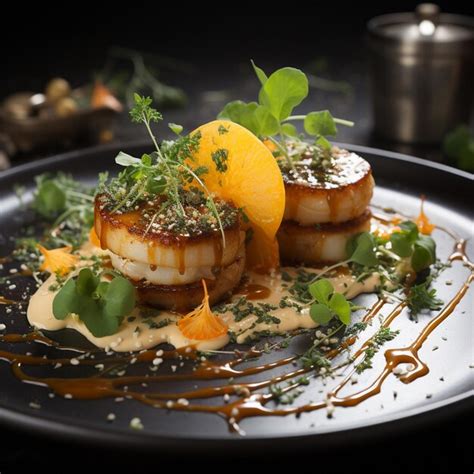
- Focus: A sharp focus on the most appetizing part of the dish—a crispy edge, a gooey center, or fresh garnish—can instantly evoke craving.

Composition and Cropping: Your Thumbnail’s Best Friends
After capturing a great photo, the real thumbnail optimization begins with careful cropping and composition. Remember, you’re working with a tiny canvas:
- Aspect Ratio: Most platforms favor square (1:1) or slightly rectangular thumbnails. Crop your image to fit these ratios without losing the essence of the dish.
- Close-Ups: Don’t be afraid to zoom in. A tight shot of a glistening sauce or a perfectly golden-brown crust can be far more impactful than a wide shot showing the entire table setting.
- Negative Space: While close-ups are good, a little negative space around the main subject can help it pop, preventing a cluttered look.
- Rule of Thirds Revisited: Even in a small square, positioning the most enticing element off-center can create dynamic tension and visual interest.

The Psychology of Hunger: Colors, Textures, and Freshness
Beyond technical photography skills, understanding the psychology of food appeal is crucial:
- Vibrant Colors: Bright, natural colors signal freshness and flavor. Think of the rich red of tomatoes, the vivid green of herbs, or the golden hue of baked goods.
- Appetizing Textures: Show, don’t just tell. A crispy texture, a creamy swirl, or the flaky layers of a pastry can trigger sensory responses that make viewers crave the dish.
- Evidence of Freshness: A sprig of fresh mint, a scattering of coarse salt, or a drizzle of olive oil can elevate a photo, indicating quality and deliciousness.
- Relatability: Sometimes, a small human element, like hands holding a piece of food, can make a dish feel more accessible and inviting.
Testing, Iteration, and Analytics for Higher CTR
Optimizing thumbnails isn’t a one-time task; it’s an ongoing process:
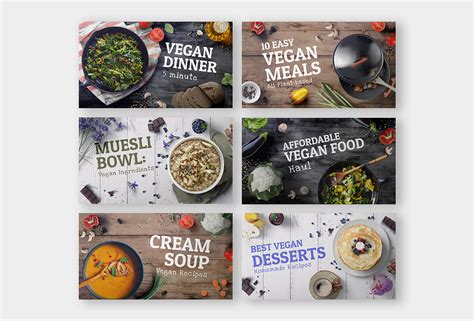
- A/B Testing: If your platform allows, test different thumbnail variations against each other. Change the crop, the angle, or even add a subtle text overlay (e.g., “EASY!” or “VEGAN!”) to see which performs best.
- Analyze Performance: Pay attention to your analytics. Which thumbnails consistently get the highest clicks? What common elements do they share?
- Stay Updated: Food trends and visual preferences evolve. Keep an eye on what’s performing well across popular food channels and adapt your strategy accordingly.
By continuously refining your approach based on data, you can ensure your visual bites are always working their hardest to attract hungry eyes.

Conclusion
In the competitive realm of online recipes, an optimized visual bite thumbnail is your secret weapon. By combining skillful food photography, thoughtful composition, an understanding of food psychology, and data-driven testing, you can transform a tiny image into a powerful click magnet. Invest time in perfecting these small squares, and watch your recipes gain the attention they deserve, turning casual browsers into eager cooks.