Optimize Visual Bites: What food styling techniques boost Real Foodie recipe conversions?
The Art of Visual Persuasion for Discerning Palates
In the competitive landscape of online recipes, a well-crafted visual can be the difference between a fleeting glance and a committed ‘add to cart’ or ‘save recipe’ action. For ‘Real Foodies’ – those who prioritize fresh ingredients, authentic flavors, and the joy of cooking – mere attractiveness isn’t enough. Your food photos must tell a story of deliciousness, natural beauty, and achievable culinary delight. Optimizing these ‘visual bites’ through strategic food styling is paramount to boosting your recipe conversion rates.
Core Principles: Authenticity and Approachable Appeal
Real Foodies are discerning; they can spot artificiality from a mile away. The goal of food styling for this demographic isn’t to create an impossible ideal, but to enhance the inherent beauty of the dish. Think fresh, vibrant, and approachable. Emphasize the natural textures and colors that communicate freshness and quality without over-processing.
Masterful Plating and Arrangement
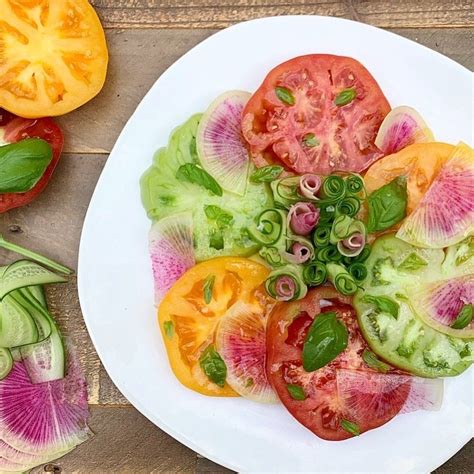
Plating is the canvas of your culinary art. Employ techniques like the rule of thirds, creating negative space, and ensuring a clear focal point. Arrange ingredients thoughtfully, letting key components shine without overcrowding. A slightly deconstructed look can often convey freshness and artisanal quality, hinting at homemade goodness rather than overly manufactured perfection.
The Power of Natural Light
Forget harsh flashes. Natural, diffused light is your best friend. It highlights textures, brings out true colors, and creates inviting shadows that add depth and dimension. Position your dish near a window, using a diffuser or sheer curtain to soften direct sunlight. This simple technique can elevate your food photography dramatically, making food look more appetizing and real.
Strategic Props and Backgrounds for Context
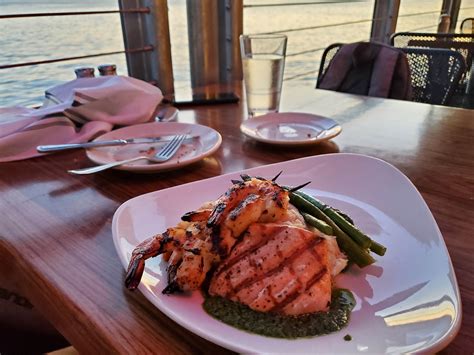
Props should support, not overshadow, your food. For Real Foodies, rustic cutting boards, linen napkins, simple ceramic dishes, and relevant kitchen tools (a whisk, a spice jar) can add context and tell a story of homemade goodness. Choose muted, neutral backgrounds that allow your dish to pop without distraction. Less is often more; ensure every element serves a purpose in enhancing the food’s appeal.
Garnishes and Textural Elements
Garnishes aren’t just for restaurants. A sprinkle of fresh herbs, a drizzle of olive oil, a dusting of powdered sugar, or a scattering of toasted nuts can add vital color, contrast, and texture, making the dish appear more appetizing and complete. These small details can significantly increase visual appeal and make the recipe look more enticing and professional.
Embracing Color Theory
Consider the color palette of your dish. Complementary colors (e.g., green herbs on a red tomato dish) or analogous colors (different shades of green in a salad) can create visual harmony or exciting contrast. Ensure colors look vibrant and true-to-life, a clear sign of fresh, quality ingredients that Real Foodies value.
Highlighting the Hero Ingredient and Storytelling
Every recipe has a star. Make sure your styling emphasizes it. If it’s a perfectly seared scallop, ensure it’s prominently featured and looks succulent. If it’s fresh seasonal berries, make them glisten and appear plump. This immediately communicates the essence and primary appeal of the recipe, drawing the viewer’s eye to what makes the dish special.
The Allure of Action and Imperfection
Sometimes, the most appealing shots are those that show a slight ‘action’ or a hint of imperfection. A spoon dipping into a creamy sauce, a knife slicing into a freshly baked bread, or a crumb falling from a cookie can evoke a sense of immediacy and deliciousness. It tells the viewer, ‘This food is meant to be eaten and enjoyed,’ fostering a connection beyond just aesthetics.
Common Pitfalls to Avoid in Food Styling
Beware of over-styling, which can make food look artificial or unapproachable. Avoid busy or distracting backgrounds, poor lighting that flattens your dish, and using props that don’t make sense for the recipe. The goal is enhancement, not transformation into something unrecognizable or unattainable for the home cook. Authenticity is key to building trust with Real Foodies.
Conclusion: The Transformative Power of Thoughtful Visuals
Effective food styling is a powerful tool in converting casual browsers into enthusiastic home cooks. By focusing on authenticity, natural appeal, strategic presentation, and thoughtful use of light and props, you can create ‘visual bites’ that resonate deeply with Real Foodies, compelling them to try your recipes and significantly elevate your online presence and conversion rates. Invest in your visuals, and watch your recipes become undeniable culinary invitations.