Plate like a pro: Easy garnishing tips for Instagram-worthy dishes?
Transforming Your Plate into a Canvas
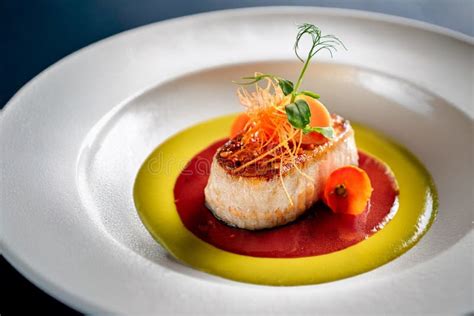
In today’s visually-driven world, a dish isn’t truly complete until it looks as good as it tastes. Whether you’re aiming to impress dinner guests or simply want to capture that perfect shot for your social feed, mastering the art of garnishing is a game-changer. You don’t need a culinary degree to make your food shine; just a few simple tricks can elevate everyday meals into Instagram-worthy masterpieces.
The Power of Fresh Herbs
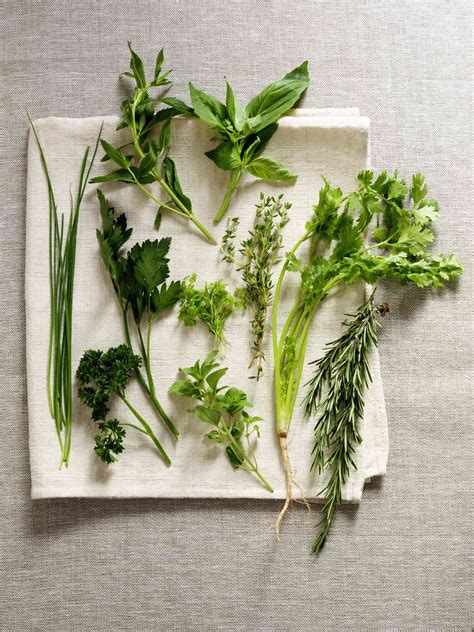
Fresh herbs are perhaps the easiest and most effective garnish. A sprinkle of chopped parsley, cilantro, dill, or chives can instantly add a pop of color, a burst of freshness, and aromatic appeal. Consider the flavor profile of your dish when choosing your herb. For example, dill pairs wonderfully with fish, while cilantro is a staple for Mexican and Asian cuisines.
Don’t just chop and sprinkle; think about whole leaves or small sprigs for a more elegant touch. A few basil leaves artfully placed on a pasta dish or a sprig of rosemary on roasted vegetables can make a significant difference.
Citrus Zest and Wedges: Brightness and Tang
Citrus isn’t just for flavor; it’s a fantastic visual enhancer. A finely grated zest of lemon, lime, or orange can add vibrant color and an intoxicating aroma to desserts, salads, and savory dishes. The tiny flecks catch the light beautifully.
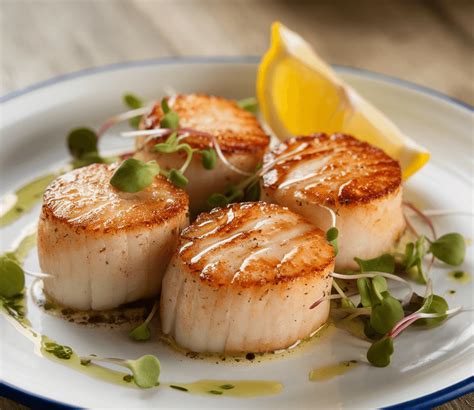
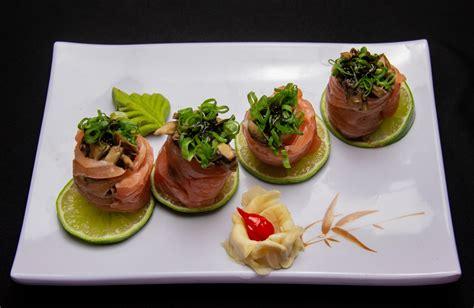
Beyond zest, a perfectly cut citrus wedge or wheel placed strategically on the side of a plate adds a professional touch, suggesting freshness and offering a practical squeeze of juice for the diner. Think about contrasting colors—a bright yellow lemon wedge against a dark plate or a vibrant green lime against a white dish.
Strategic Drizzles and Swirls
Sauces, oils, and purées aren’t just for dipping or coating; they can be artfully applied to create visual interest. A controlled drizzle of balsamic glaze, a swirl of crème fraîche, or a dotting of pesto can transform a plain plate into an artistic statement. Use a squeeze bottle or a spoon to create patterns, concentric circles, or abstract lines.
Remember the principle of contrast here too. A light sauce on a dark background or vice versa makes the design stand out. Practice makes perfect when it comes to precise drizzles!

Edible Flowers and Microgreens: Delicate Elegance
For a truly professional and high-end look, edible flowers and microgreens are your secret weapon. Microgreens like radish, arugula, or beet add delicate texture, vibrant color, and a concentrated flavor burst. They’re perfect for adding height and freshness to almost any dish.
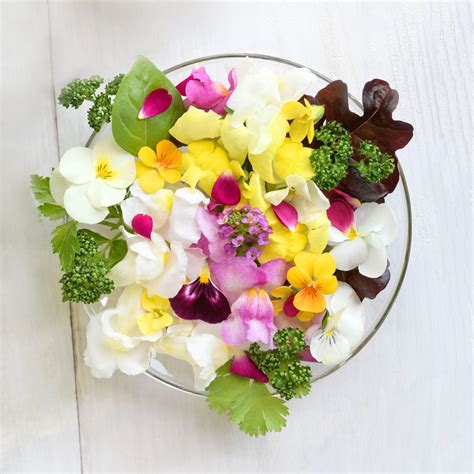
Edible flowers, such as pansies, nasturtiums, or borage, offer stunning pops of color and a sophisticated touch. Ensure they are specifically cultivated for consumption and are free from pesticides. Place them sparingly to avoid overwhelming the dish.
The Rule of Odd Numbers and Negative Space
When arranging multiple garnishes, culinary aesthetics often lean towards the “rule of odd numbers.” Three or five small elements tend to look more natural and appealing than an even number. This creates a more dynamic and less static composition.
Equally important is negative space. Don’t crowd your plate with too many elements. Allow the main dish to breathe and the garnishes to highlight it, rather than obscure it. A clean, uncluttered presentation often speaks volumes.
A Touch of Crunch: Seeds, Nuts, and Croutons
Adding a textural contrast is key to an exciting plate. Toasted sesame seeds, pumpkin seeds, chopped nuts (like pistachios or almonds), or even small, homemade croutons can provide that satisfying crunch and visual interest. They add depth and complexity, especially to softer dishes like soups, purées, or creamy pasta.
Lightly toast seeds or nuts to bring out their flavor and make them more visually appealing. A small sprinkle goes a long way in adding both flavor and visual texture.

Conclusion: Practice Makes Perfect
Garnishing is an art, but it’s an accessible one. Start with simple techniques, experiment with different ingredients, and pay attention to how professional chefs present their food. Remember to taste your garnishes too – they should complement the dish, not detract from it. With a little practice, you’ll be plating like a pro, turning every meal into a feast for the eyes and a viral sensation waiting to happen!