Plate like a pro: Tips for stunning visuals & gourmet home cooking?

The Art of Presentation: Why Plating Matters
You’ve spent hours perfecting that signature dish, simmering sauces, and sautéing vegetables to perfection. But when it comes to serving, do you just plop it onto a plate? The visual appeal of your food plays a crucial role in the dining experience, influencing perception of taste and enjoyment even before the first bite. Learning to plate like a professional chef can transform your home cooking from delicious to truly gourmet.
Plating is more than just arranging food; it’s about telling a story, balancing colors, textures, and shapes to create a harmonious and inviting composition. It’s an accessible skill that any home cook can master with a few key principles and a bit of practice.
Mastering the Basics: Core Plating Principles
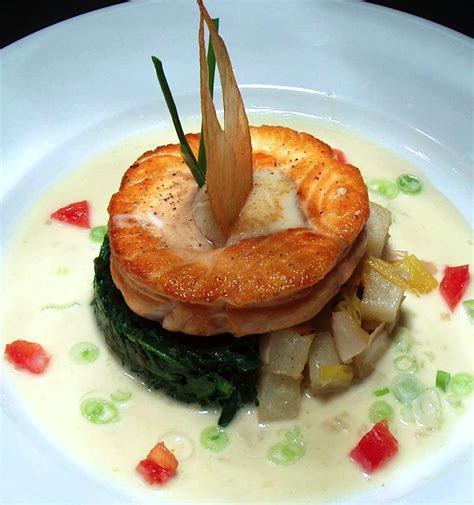
Before you even think about tools, understand the fundamental principles that guide professional plating. Think of your plate as a canvas. Start with balance: aim for a variety of colors, textures (crisp, creamy, smooth), and shapes (round, angular, long). Create height and dimension by stacking or leaning components, avoiding a flat, uninspired look.
Consider the rule of odds – plating an odd number of items often creates a more visually appealing and natural arrangement than an even number. Utilize negative space effectively; don’t overcrowd the plate. Allowing some white space gives the eye a place to rest and highlights your main ingredients.
Essential Tools for a Pro Finish
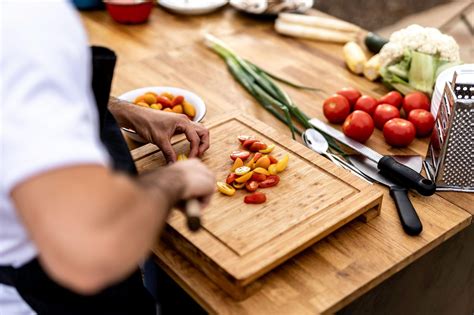
You don’t need a Michelin-star kitchen to plate like a pro. Many common kitchen items can be repurposed, or you can invest in a few inexpensive tools. Squeeze bottles are excellent for precise sauce application, allowing for elegant drizzles or dots. Ring molds help create perfectly circular stacks or bases for your dishes. A clean chef’s towel or paper towel is indispensable for wiping plate edges, ensuring a pristine presentation.
Tweezers can be surprisingly useful for delicate garnishes like microgreens or herb sprigs. And, of course, choose your plates wisely – simple, often white, plates allow your colorful food to stand out without distraction.

Techniques for Stunning Visuals
Strategic Sauce Application
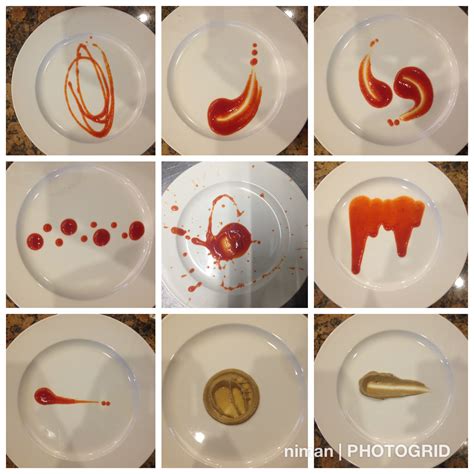
Forget pouring sauce indiscriminately. Instead, think about how the sauce enhances the dish visually. A confident swipe across the plate with the back of a spoon, a delicate pool beneath the main component, or small dots strategically placed around the dish can elevate its appearance dramatically. Different sauces lend themselves to different techniques – thicker sauces are great for smears, while thinner ones are better for drizzles.
Thoughtful Component Arrangement
Place your main protein as the focal point, often slightly off-center for visual interest. Arrange accompaniments around it, ensuring each component is visible and contributes to the overall aesthetic. Think about layering – placing a starch first, then vegetables, and finally the protein on top can create inviting height.
Garnishing with Finesse
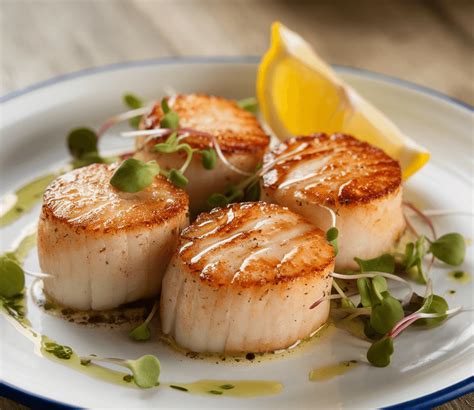
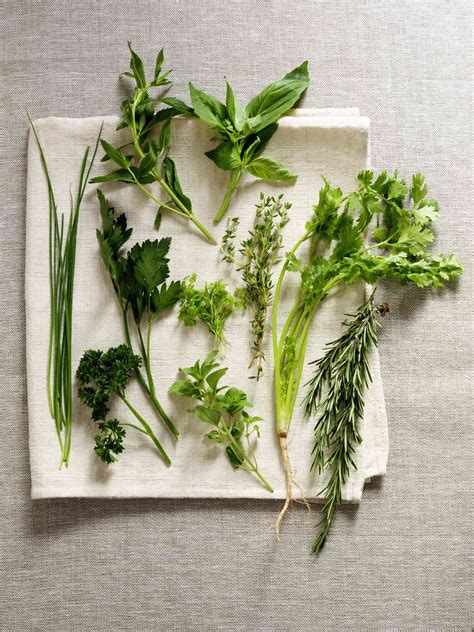
Garnishes aren’t just for show; they should add flavor, texture, or aroma. A sprinkle of fresh herbs, a wedge of citrus, a scattering of toasted nuts, or a few microgreens can add a final touch of vibrancy and professionalism. Always garnish with purpose and restraint – less is often more.
Beyond the Plate: Gourmet Home Cooking Tips
While plating makes a dish look gourmet, the underlying quality of the food is paramount. To truly achieve gourmet home cooking, focus on:
- Ingredient Quality: Source the freshest, highest-quality ingredients you can afford. This is the foundation of any great meal.
- Precise Cooking: Pay attention to cooking times and temperatures. Perfectly cooked proteins and vegetables are not only delicious but also hold their shape better for plating.
- Flavor Balance: Ensure your dish has a harmonious balance of sweet, sour, salty, bitter, and umami flavors.
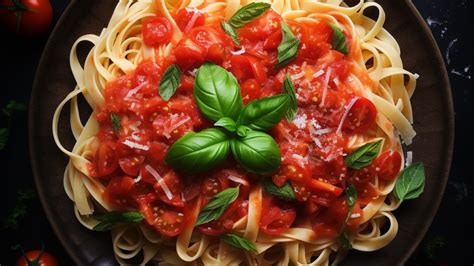
- Texture Variety: Incorporate different textures within the dish itself – a crispy element, a creamy component, something tender.
Practice Makes Perfect
Don’t be discouraged if your first attempts don’t look like they came straight out of a magazine. Plating is a skill that improves with practice. Experiment with different arrangements, try new garnishes, and observe how professional chefs plate their dishes (cookbooks, cooking shows, and social media are great resources). Take photos of your creations to see what works and what doesn’t.
Embrace the creative process and view each meal as an opportunity to refine your artistic eye and culinary skills. The goal isn’t just to impress, but to enhance the entire sensory experience of eating.
Elevate Your Dining Experience
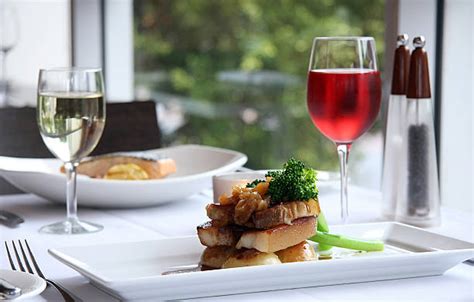
Mastering the art of plating is a delightful journey that adds another layer of enjoyment to home cooking. By applying these tips for stunning visuals and combining them with a commitment to gourmet quality ingredients and precise cooking, you’ll not only impress your guests but also elevate your own everyday meals into extraordinary dining experiences. So, next time you step into the kitchen, remember: your plate is your canvas, and you are the artist.