Plate like a pro: Your secret for visually stunning, delicious real food dishes?
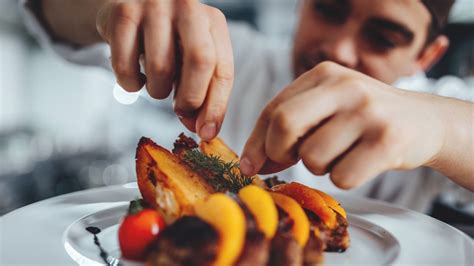
In the world of real food, taste is king, but sight is the loyal queen who sets the stage. Long before the first forkful reaches your lips, your eyes have already begun to feast. The way a dish is presented can elevate even the simplest ingredients into an experience worthy of a gourmet restaurant. Mastering the art of plating isn’t just for professional chefs; it’s a skill accessible to every home cook looking to impress, delight, and enhance the enjoyment of their wholesome creations.
Why Plating Matters
The human brain is hardwired to associate visual appeal with quality and deliciousness. A beautifully plated dish signals care, attention to detail, and a promise of a delightful culinary journey. It enhances the perceived value of your food and can even make healthy dishes more appealing. Think about it: a vibrant salad artfully arranged is far more inviting than a jumbled pile of greens. Plating engages multiple senses, making the entire dining experience richer and more memorable.

Essential Plating Principles
To plate like a pro, you don’t need fancy tools, just a few foundational principles:
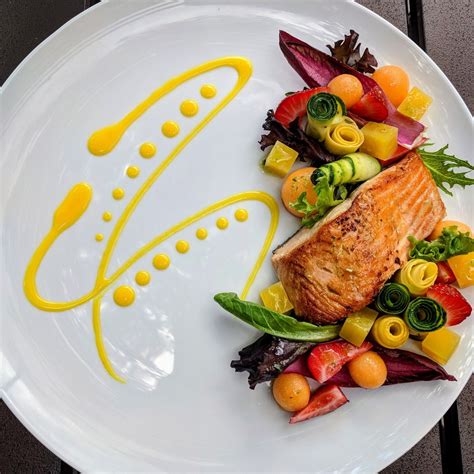
- Balance and Contrast: Strive for a balance of colors, textures, and shapes. Use contrasting elements to make individual components pop. A creamy puree next to a crisp vegetable, or a vibrant sauce drizzled over a neutral-colored protein, creates visual interest.
- Focal Point: Every plate needs a star. Choose one ingredient or a combination to be the focal point and arrange other elements to complement it. This creates a sense of direction for the eye.
- Rule of Thirds: Imagine your plate divided into nine equal sections, like a tic-tac-toe board. Placing key elements along these lines or at their intersections often creates a more dynamic and pleasing composition than centering everything.
- Height and Dimension: Flat food is boring food. Add height to your dishes by stacking ingredients, leaning elements against each other, or using purées and sauces as a base.

The Art of Arrangement
Consider the architecture of your plate. Instead of simply dumping ingredients, think about placement. For example, protein often acts as the anchor. Vegetables can be clustered around it or arranged in a line. Sauces can be swiped, dotted, or drizzled to add color and connect components without drowning them. Use negative space wisely; an empty area on the plate can be just as impactful as a filled one, giving the eye a place to rest.
Color and Contrast
Real food, by its very nature, is often bursting with natural colors. Leverage this! Think about how the deep green of broccoli contrasts with the bright orange of a carrot, or the earthy brown of a roasted chicken against a vibrant red berry sauce. Garnishes like fresh herbs, citrus zest, or edible flowers are not just pretty; they add a final touch of color and freshness.

Practical Tips for Home Cooks
- Start with a Clean Canvas: Always use a clean plate. Wipe away any drips or smudges before serving. A pristine border makes a huge difference.
- Less is More: Don’t overcrowd the plate. Focus on quality over quantity in your presentation. A few perfectly placed elements are more impactful than a chaotic pile.
- Tools of the Trade: You don’t need a full chef’s kit. A squeeze bottle for sauces, a pair of kitchen tongs for delicate placement, and even a simple spoon for swooshing purées are great starters.
- Garnish with Purpose: Every garnish should add to the flavor profile, even if subtly. Fresh herbs, a sprinkle of toasted nuts, or a zest of lemon can brighten both the look and taste.
Plating is an extension of cooking itself – an act of creativity and care. It’s about more than just making food look good; it’s about making it feel special, from the moment it leaves your kitchen to the moment it’s savored. So, next time you’re whipping up a real food masterpiece, take a moment to consider its visual journey. Experiment with different arrangements, play with colors and textures, and discover the joy of transforming everyday meals into extraordinary experiences. Your taste buds, and your guests, will thank you.