Plating hacks for visually stunning, quick recipe presentations?
You’ve poured your heart into cooking a delicious meal, but does its presentation truly do it justice? Often, we underestimate the power of plating, especially when time is of the essence. A beautifully arranged dish isn’t just for gourmet restaurants; with a few simple hacks, you can transform your everyday quick recipes into visually stunning culinary masterpieces, delighting both the eyes and the palate.
The Golden Rules of Quick Plating
Effective plating doesn’t require hours; it requires a mindful approach to how elements come together on a plate. Think of your plate as a canvas and your food as the art. The goal is to create balance, intrigue, and a sense of generosity without overcrowding. Focus on simplicity, intentional placement, and making every component look its best.
Color and Contrast
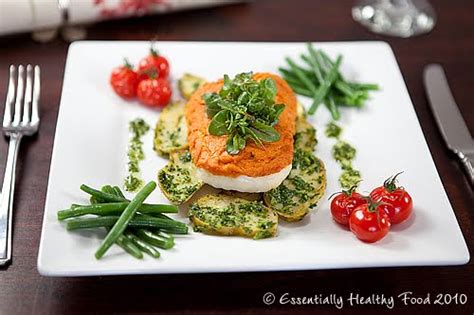
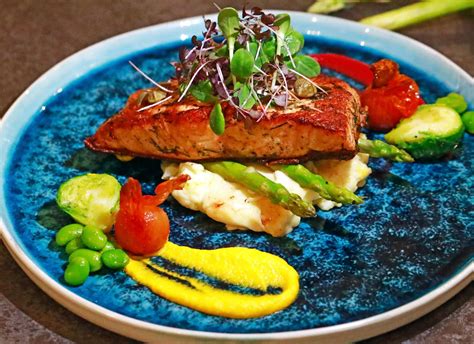
One of the easiest ways to make a dish pop is by incorporating a variety of colors. Bright greens from herbs, reds from tomatoes, oranges from carrots, and deep browns from perfectly seared proteins all contribute to a vibrant display. Don’t be afraid to add a splash of color that contrasts with the main elements, like a sprinkle of paprika on a creamy soup or fresh dill on a salmon dish.
Height and Dimension
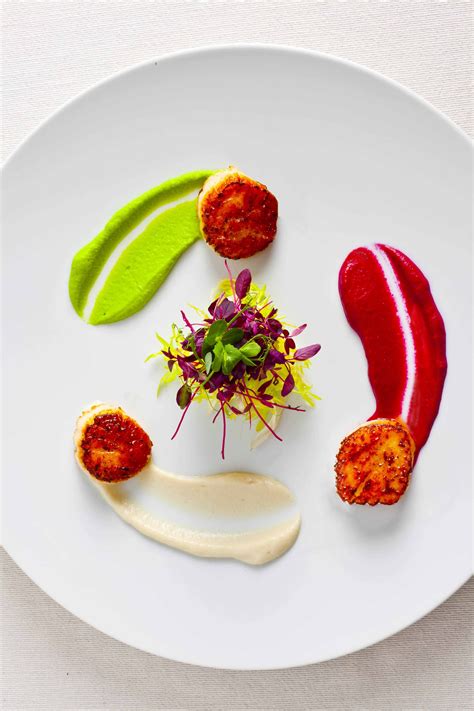
Flat food can look uninspired. Introduce height to your plate by stacking components strategically. Think layers of ingredients in a salad, a neatly piled mound of rice or pasta, or protein slices fanned out slightly. Even a simple scoop of mashed potatoes can be given a rustic swirl with a spoon, adding visual interest and making the dish feel more substantial.
Negative Space is Your Friend
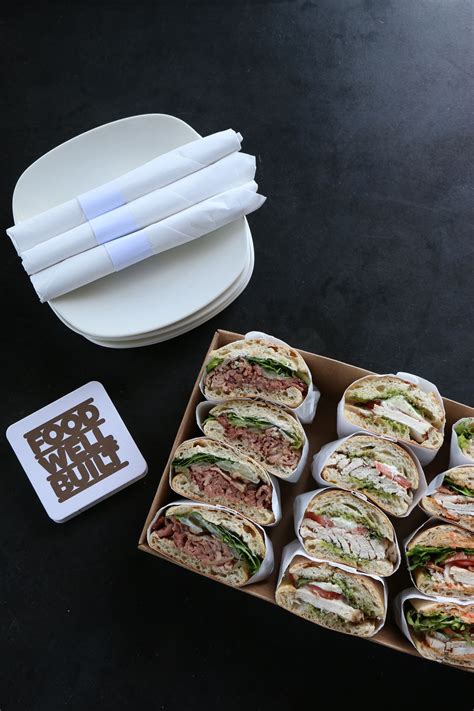
Resist the urge to fill every inch of the plate. Leaving some empty space, often referred to as “negative space,” allows the eye to rest and highlights the star components of your dish. It creates a sense of elegance and prevents the plate from looking cluttered. Aim for the main components to occupy about two-thirds of the plate, leaving the remaining third as breathing room.
Strategic Garnishing
Garnishes are the jewelry of your dish – they add the final touch of flair. A sprig of fresh parsley, a few chopped chives, toasted nuts, a sprinkle of sesame seeds, or a drizzle of good quality olive oil can elevate the presentation immensely. Choose garnishes that complement the flavors of your dish, not just for show. Edible flowers can add a surprisingly elegant touch to desserts or salads.
The Art of the Swish and Smear
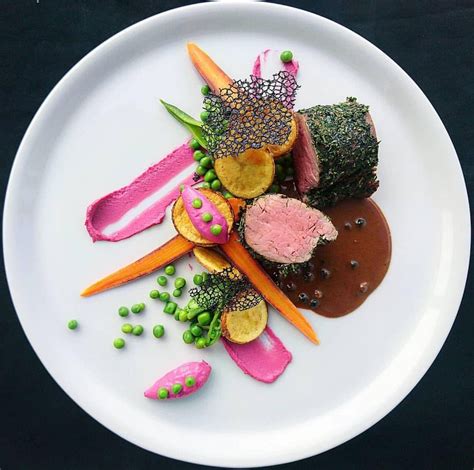
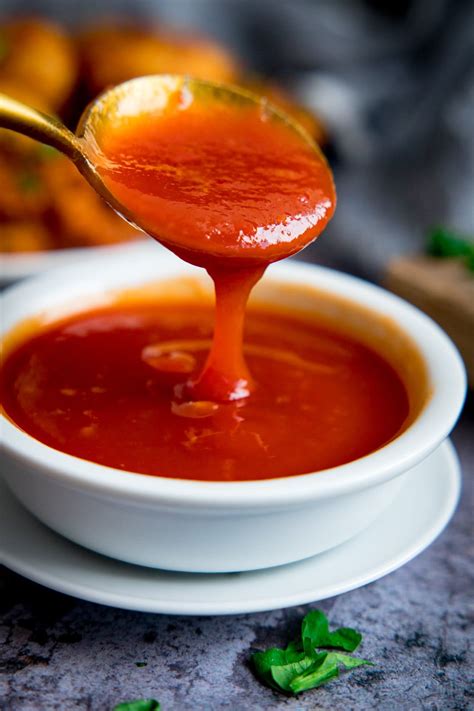
Sauces, purees, and glazes aren’t just for flavor; they’re powerful plating tools. Instead of simply dolloping a sauce, try creating an artistic smear across the plate with the back of a spoon or a squeeze bottle. A delicate drizzle of balsamic glaze or a contrasting puree base can anchor your main ingredients and add a professional touch to even the quickest meals.
Quick Tips for Everyday Plating
- Choose Your Canvas Wisely: White or neutral-colored plates make food stand out more vividly. They don’t compete with the colors of your dish.
- Portion Control: Presenting smaller, well-arranged portions often looks more appealing than an overloaded plate.
- Keep it Clean: Always wipe the rim of your plate with a clean cloth before serving to remove any smudges, drips, or stray crumbs. A clean plate signals professionalism and attention to detail.
- Prep Ahead: Have your garnishes prepped and ready to go. A quick chop of herbs or a squeeze bottle filled with sauce can save precious seconds during plating.
Transforming your quick recipes into visually stunning presentations is a skill that improves with practice. By focusing on color, height, strategic garnishes, and smart use of space, you can impress your family and guests without adding significant time to your cooking routine. So, grab your ingredients, unleash your inner food stylist, and start plating with purpose!