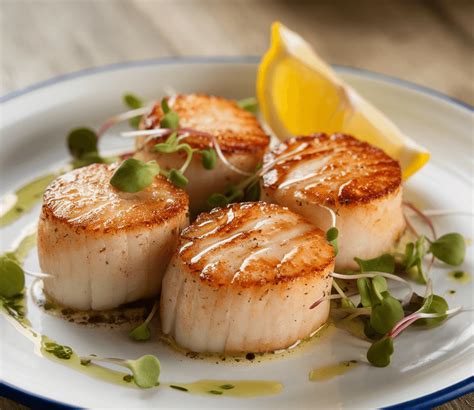
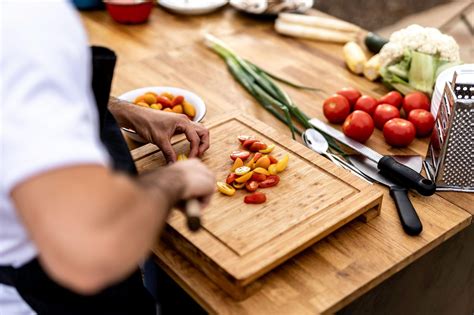
Plating hacks: Make home-cooked meals look restaurant-ready?
Elevate Your Home Cooking: The Art of Plating
Have you ever wondered why a dish tastes even better when served at a restaurant? While the quality of ingredients and cooking techniques certainly play a role, often it’s the visual appeal – the presentation – that elevates the entire dining experience. Good food presentation isn’t just for professional chefs; with a few simple plating hacks, you can make your home-cooked meals look restaurant-ready, transforming an ordinary dinner into an extraordinary one.
Plating is the art of arranging food on the plate in an aesthetically pleasing way. It appeals to our senses even before the first bite, setting expectations and enhancing enjoyment. A beautifully plated dish can make simple ingredients feel gourmet and even improve your perception of taste. Let’s dive into some easy-to-implement strategies to make your dishes pop!
The Fundamentals of Restaurant-Style Plating
1. Choose the Right Plate
The canvas matters. Opt for plates that are simple, often white or neutral-colored, as they allow the food’s colors to stand out. Consider the size: don’t overcrowd a small plate, but also avoid making a dish look sparse on an oversized one. Deeper plates or bowls are great for saucier dishes, while flat plates work well for showing off textures and arrangements.
2. Focus on Color and Contrast
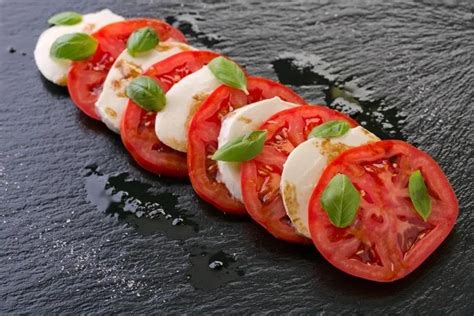
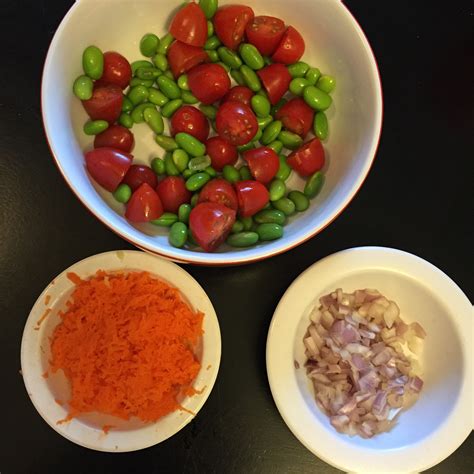
Think about the natural colors of your ingredients. A monochromatic dish can be made more interesting with a pop of contrasting color from a garnish. For example, add fresh green herbs to a rich brown stew or bright red cherry tomatoes to a green salad. Contrasting colors make the plate more vibrant and appealing.
3. Build Height and Dimension
Flat food is boring food. Creating height adds a professional touch. Stack ingredients, lean components against each other, or use molds and rings to build upwards. A small pile of rice or mashed potatoes can serve as a base for a protein, giving the dish a more dynamic and inviting presence.
4. The Rule of Odds and Focal Points
Odd numbers (3, 5, 7) of elements on a plate are generally considered more visually appealing than even numbers. Also, aim for a focal point – a main ingredient or a particularly attractive component – around which other elements are arranged. This guides the eye and creates a sense of balance.
Practical Plating Techniques
5. Sauces and Drizzles
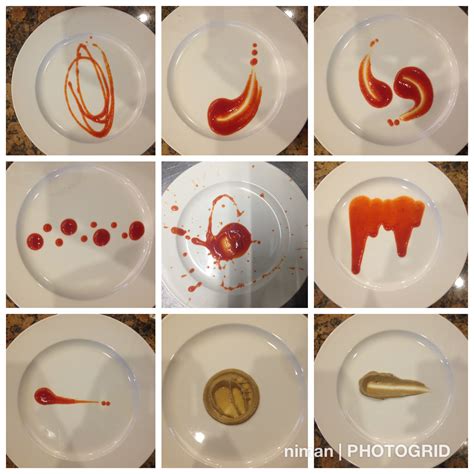
Sauces aren’t just for flavor; they’re a key plating tool. Instead of pouring sauce over everything, consider spooning it artfully. You can create a swipe with the back of a spoon, make delicate dots, or drizzle it strategically around the main components. Ensure the sauce isn’t too runny, or it will spread and look messy.
6. Strategic Garnishing
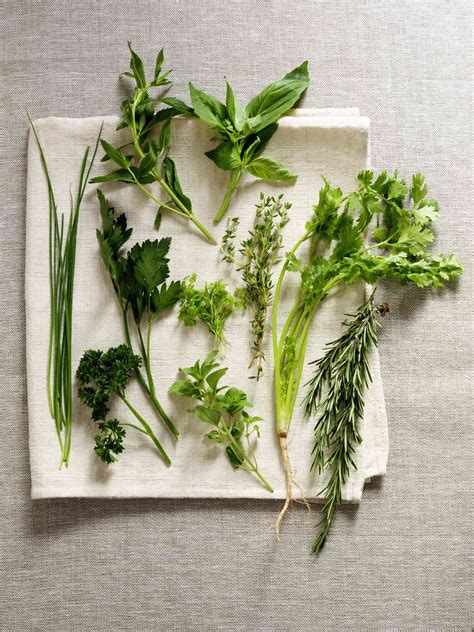
Garnishes add freshness, color, and texture. Think beyond a simple sprig of parsley. Use fresh herbs (chives, cilantro, dill), microgreens, edible flowers, toasted nuts, seeds, or a sprinkle of paprika or finely grated cheese. Ensure your garnish complements the dish in both flavor and appearance, and remember that less is often more.
7. Cleanliness is Key
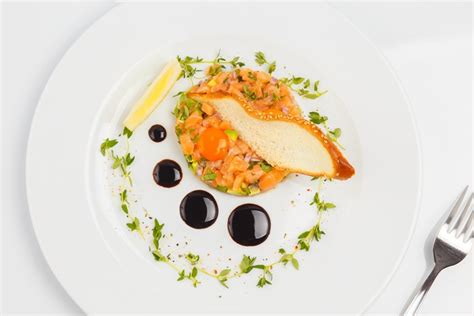
Even the most perfectly arranged food can be ruined by a messy plate. Before serving, always wipe the edges of your plate with a clean cloth or paper towel to remove any drips, smudges, or fingerprints. A pristine plate border highlights the food beautifully.

Putting It All Together
Start by placing your main protein, then add starches, and finally, vegetables. Think about negative space – the empty areas on the plate are just as important as the food itself. Don’t be afraid to experiment! Try different arrangements, use various utensils for plating (tongs, squeeze bottles), and most importantly, have fun with it. With a little practice, your home-cooked meals will not only taste incredible but look like they came straight out of a five-star kitchen.