
Plating hacks to visually elevate fresh, seasonal ingredients?
The Art of the First Bite: Why Plating Matters
In the culinary world, we eat with our eyes long before the first bite ever reaches our palate. This is especially true when working with fresh, seasonal ingredients, whose vibrant colors, varied textures, and inherent beauty are their greatest assets. Thoughtful plating doesn’t just make your food look professional; it enhances the dining experience, making each dish feel special and inviting. It’s about respecting the ingredients and showcasing them in their best light.
Understanding Your Canvas: The Plate
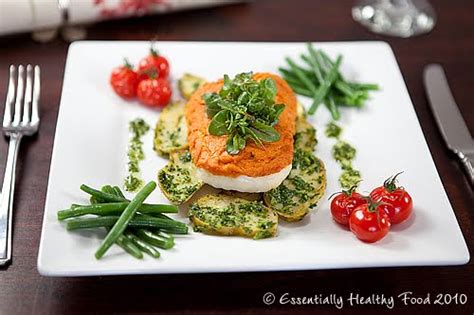
Before you even think about arrangement, consider your plate. A clean, simple plate, often white or a neutral tone, allows the food to be the star. The size of the plate also matters; avoid overcrowding. Leave a generous amount of negative space around your ingredients to give them room to breathe and appear more deliberate. Clean the rim of the plate of any drips or smudges before serving.

Mastering the Elements: Color, Texture, and Height
Successful plating hinges on balancing several key elements. Color contrast is crucial for seasonal ingredients. Pair a vibrant green pesto with bright red cherry tomatoes, or golden-brown roasted root vegetables with a sprinkle of fresh herbs. Think about the natural palette your ingredients offer and how they can complement each other.
Texture variation adds depth and interest. Imagine a creamy purée alongside something crunchy, like toasted nuts or crisp croutons, and a tender protein. This interplay keeps each bite engaging. Finally, height and dimension prevent your dish from looking flat. Stack ingredients artfully, fan out slices, or build a small tower using denser items as a base. Even a simple pile of pasta can gain elegance with a little lift.
Strategic Placement: The Art of Arrangement
Forget everything you learned about a balanced plate as a child. Modern plating often embraces asymmetry and the ‘rule of odds.’ Arrange components in groups of three, five, or seven for a more organic, visually appealing composition. Place your main protein as a focal point, then build around it with your side dishes and garnishes. Consider imaginary lines or a ‘clock face’ to guide your placement, ensuring visual flow.
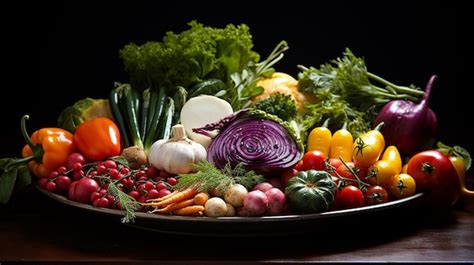
Utilize the natural shapes of your ingredients. Fan sliced avocado, arrange berry halves in a gentle curve, or let delicate herbs cascade. The goal is to make the arrangement feel natural and effortless, even if it took careful thought.
The Finishing Touch: Garnishes and Sauces
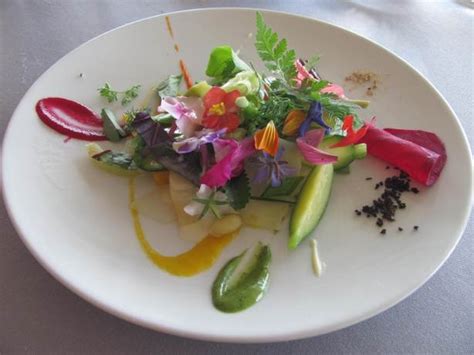
Garnishes are not just an afterthought; they are the jewelry of your dish. Fresh, vibrant herbs (like parsley, cilantro, dill, or chives), edible flowers, microgreens, or a final drizzle of high-quality olive oil can instantly elevate a plate. Choose garnishes that complement the flavors of your dish, not just its appearance.
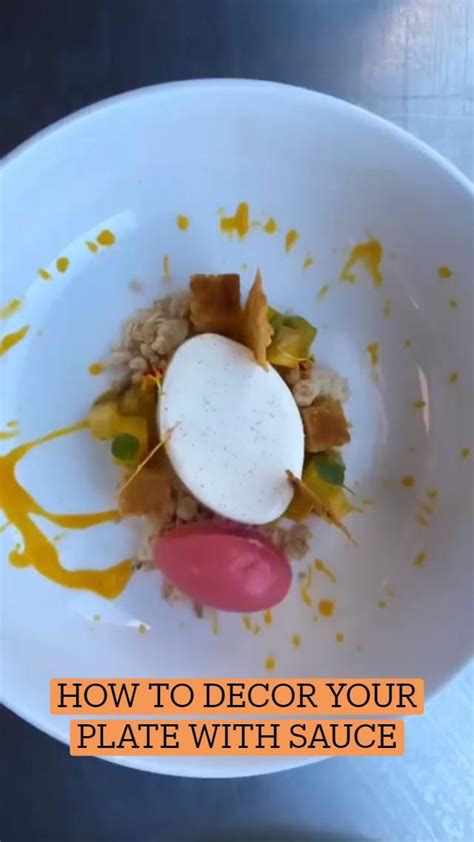
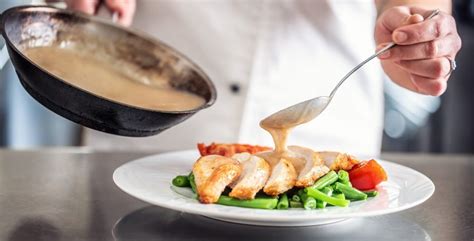
Sauces, too, offer an incredible opportunity for visual flair. Instead of just spooning them over, consider a delicate swoosh across the plate, artful dots around the main components, or a precise drizzle. Use squeeze bottles or the back of a spoon to achieve professional-looking sauce patterns. Think of the sauce as connecting different elements of your dish.
Plating for Specific Seasonal Ingredients
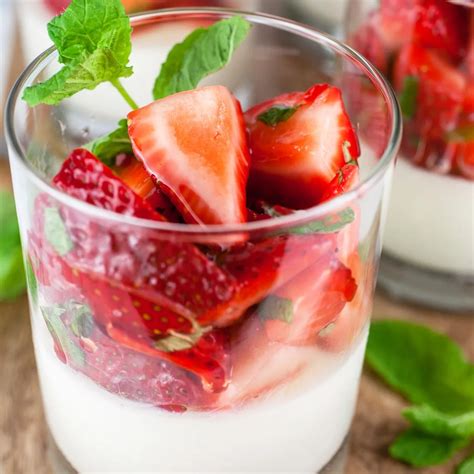
- Summer Berries & Fruits: Arrange them in their natural clusters or fan out slices. A dusting of powdered sugar or a sprig of fresh mint enhances their sweetness and color.
- Spring Greens & Asparagus: Keep them vibrant! Lightly blanching and arranging spears symmetrically or artfully piling fresh, crisp greens with a few edible flowers can make them pop.
- Autumn Root Vegetables: Roasted carrots, parsnips, or beets offer earthy tones. Arrange them in a rustic yet refined pile, highlighting their varied shapes and colors, perhaps with a sprinkle of fresh thyme.
- Winter Citrus: Slices or segments of oranges, grapefruit, or blood oranges can add a beautiful burst of color to savory or sweet dishes.
Practice Makes Perfect
Plating is a skill that improves with practice. Don’t be afraid to experiment! Take inspiration from restaurant dishes, food magazines, and online galleries. The more you play with arrangements, the more intuitive it will become. Soon, you’ll be transforming everyday meals into visually stunning culinary experiences, truly celebrating the fresh, seasonal ingredients you’ve worked so hard to procure.