Plating: How do you visually elevate simple, healthy dishes for a real foodie?
The Art of Visual Gastronomy: Beyond Just Taste
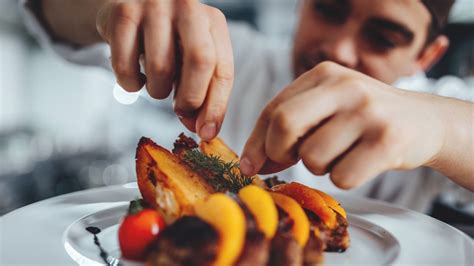
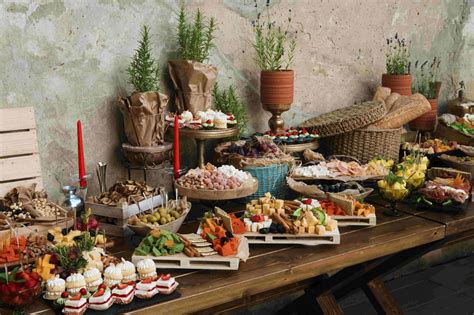
For a true foodie, a meal is far more than just sustenance; it’s a multi-sensory experience, an edible art form. While simple, healthy dishes are celebrated for their nutritional value and clean flavors, they can sometimes lack the visual drama that captivates a culinary enthusiast. This is where the magic of plating comes in – transforming wholesome ingredients into a feast for the eyes, proving that healthy food can be just as exciting and beautiful as its more decadent counterparts.
Plating is about thoughtful arrangement, strategic use of color, texture, and space, all designed to make a dish irresistibly appealing. It communicates care, creativity, and a deep respect for the ingredients. Mastering these techniques at home can turn your everyday healthy cooking into restaurant-worthy presentations that will impress even the most discerning palate.
Mastering the Fundamentals of Plating for Healthy Dishes
Before diving into specific techniques, understanding the core principles of plating is crucial. These elements work together to create a harmonious and appealing visual experience.
Color & Contrast: The Palette of Health
- Vibrancy is Key: Healthy ingredients naturally boast a spectrum of colors. Think bright reds from bell peppers, deep greens from spinach, sunny yellows from corn, or vibrant purples from berries.
- Strategic Contrast: Pair light elements with dark ones, or cool colors with warm ones, to make components pop. A creamy white yogurt sauce can beautifully highlight a ruby-red roasted beet.
Texture & Dimension: A Feast for the Senses
- Vary Textures: A dish with uniform texture can be boring. Combine crunchy nuts, creamy avocado, crisp vegetables, and tender protein to create interest.
- Build Height: Flat food looks uninspired. Stack, layer, or lean components to add verticality and dynamic flow.
Shape & Form: Architectural Elements
- Clean Cuts: Precise chopping or slicing shows skill and makes food look more refined.
- Interesting Shapes: Use cookie cutters for vegetables, or strategically curl ingredients to add flair.
Negative Space: Less is More
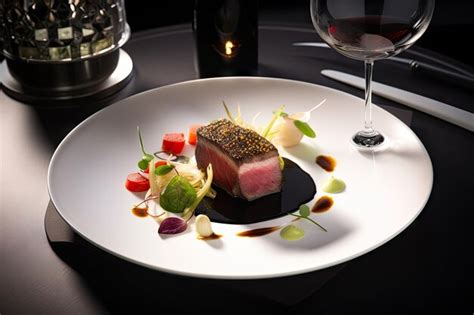
Don’t overcrowd the plate. Allowing some empty space on the plate draws the eye to the food and makes the presentation feel more elegant and deliberate. It allows each component to shine.
Practical Plating Techniques for Simple, Healthy Dishes
1. Choose Your Canvas Wisely
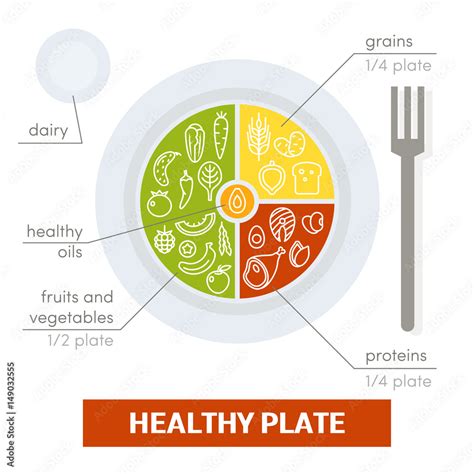
- The Plate Itself: White plates are often preferred as they provide a neutral background, allowing the food’s colors to stand out. Dark or earthy-toned plates can also create striking contrasts, especially with lighter foods.
- Size Matters: Select a plate that’s large enough to accommodate your components without crowding, but not so large that the portion looks meager.
2. Strategic Placement: The Focal Point
Think of your plate as a clock face. Traditionally, proteins are placed between 3 and 9 o’clock, starches between 9 and 12, and vegetables between 12 and 3. While this is a guideline, the key is balance and creating a focal point. Often, an asymmetric arrangement feels more natural and dynamic than a perfectly symmetrical one.
3. Vibrant Veggies: The Supporting Cast
Don’t just dump vegetables on the plate. Lightly blanching green vegetables helps retain their vibrant color. Arrange them thoughtfully – perhaps fanned out, stacked neatly, or forming a small mound. A mix of roasted and fresh vegetables offers textural contrast.

4. Sauces & Drizzles: The Artistic Touch
Healthy sauces (think herb oils, light vinaigrettes, yogurt-based dressings, or fruit purees) are fantastic for adding flavor and visual interest. Apply them artfully:
- Swipes: Use the back of a spoon to create a broad, elegant swipe across the plate.
- Dots: Place small, deliberate dots of sauce around the main components.
- Drizzles: A fine drizzle over the entire dish ties the elements together.
5. Garnishes: The Finishing Flourish
Garnishes aren’t just for show; they can add a final burst of flavor and texture. For healthy dishes, consider:
- Fresh herbs (dill, parsley, cilantro, mint)
- Toasted nuts or seeds (pumpkin seeds, sesame seeds, almonds)
- Citrus zest or a small wedge
- Edible flowers (use sparingly for a touch of elegance)
- A sprinkle of flaky sea salt or freshly cracked black pepper
Remember, garnishes should be proportionate to the dish and edible.
Putting It All Together: A Simple Example
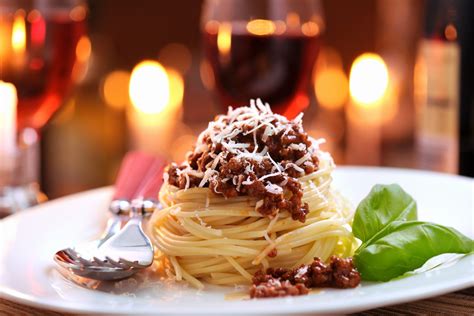
Imagine grilled salmon with quinoa and roasted asparagus. Here’s how to elevate it:
- The Plate: A matte white, oval-shaped plate.
- The Base: Use a ring mold to create a neat, small cylinder of quinoa slightly off-center.
- The Protein: Place the perfectly grilled salmon fillet leaning against the quinoa, slightly overlapping.
- The Veggies: Arrange the roasted asparagus spears neatly beside the salmon, perhaps fanned out slightly or creating a small bundle.
- The Sauce: A delicate swipe of lemon-dill yogurt sauce across the empty space on the plate, with a few small dots near the salmon.
- Garnish: A sprig of fresh dill on top of the salmon, a tiny sprinkle of toasted sesame seeds over the quinoa, and a micro-plane grating of lemon zest over the asparagus.
Beyond the Basics: Inspiration and Practice
Plating is a skill that improves with practice. Look for inspiration in food magazines, high-end restaurant menus, and culinary social media accounts. Don’t be afraid to experiment with different arrangements and techniques. The goal isn’t perfection, but rather a thoughtful presentation that enhances the dining experience.
Conclusion
Visually elevating simple, healthy dishes for a real foodie is an act of culinary artistry. By paying attention to color, texture, height, and strategic placement, you transform a nutritious meal into an enticing experience that delights the eyes before it even reaches the palate. It’s a way to show respect for your ingredients and an expression of your passion for food. So, next time you prepare a healthy dish, remember: the plate is your canvas, and you, the chef, are the artist.