
Plating perfection: How do pro chefs make simple ingredients look gourmet?
Ever wondered how professional chefs take everyday ingredients and transform them into works of art that tantalize both the eyes and the palate? It’s more than just cooking; it’s an intricate dance of culinary artistry, precision, and an understanding of visual aesthetics. Plating, the final act before a dish reaches the table, is where simple ingredients ascend to gourmet status, captivating diners before they even take the first bite.
Beyond the Basics: The Philosophy of Plating
At its heart, gourmet plating isn’t about making food complicated; it’s about showcasing the natural beauty and inherent qualities of each component. Chefs approach the plate as a canvas, carefully considering how each element contributes to the overall composition, texture, and visual appeal. This philosophy emphasizes respect for ingredients and a desire to elevate the dining experience.

The Power of Color and Contrast
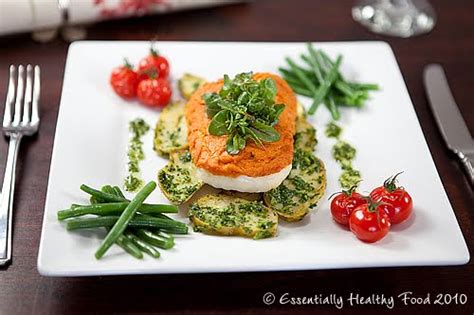
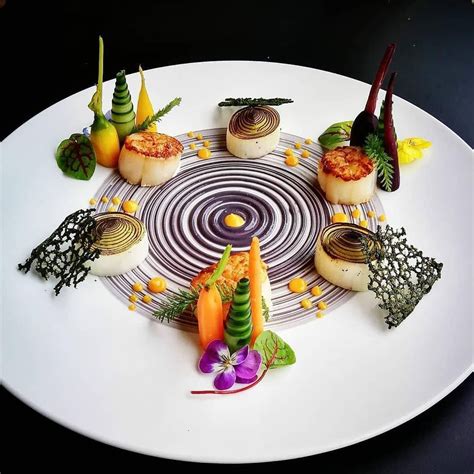
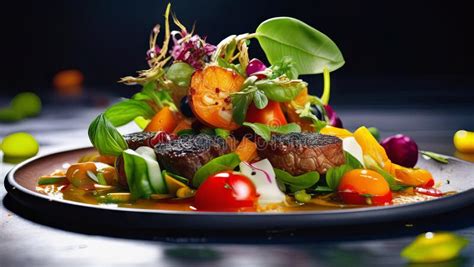
One of the most immediate ways chefs create visual interest is through color. A vibrant splash of red from a cherry tomato, the deep green of fresh herbs, or the golden hue of a perfectly seared scallop can instantly elevate a dish. Chefs meticulously select ingredients not just for their taste, but for their ability to contribute to a diverse and appealing color palette. Contrast, both in color and texture, adds depth and dynamism, preventing the dish from looking flat or monochromatic.
Achieving Height and Dimension
Flat food can look uninspired. Professional chefs often build upwards, adding height and dimension to their plates. This might involve stacking components, creating a small “mountain” of risotto, or lean garnishes against a main element. Verticality draws the eye, making the dish appear more substantial and sophisticated. Think about a perfectly cooked steak elevated by a bed of purée or crispy vegetables.
The Art of Negative Space and the Rule of Odds
Just as important as what’s on the plate is what’s not. Negative space, the empty areas around the food, is crucial for allowing each element to stand out and “breathe.” Overcrowding a plate can make it look messy and unappetizing. Chefs also often employ the “rule of odds,” arranging items in odd numbers (like three scallops or five asparagus spears) as this tends to be more aesthetically pleasing and dynamic to the human eye than even numbers.
Sauces, Swipes, and Garnishes: The Finishing Touches
Sauces are not just for flavor; they are essential plating tools. A delicate drizzle, a bold swipe, or a carefully placed dot can tie a dish together, add color, and direct the diner’s gaze. Garnishes, too, play a pivotal role. Fresh herbs, edible flowers, microgreens, or a sprinkle of spices aren’t merely decorative; they add texture, aroma, and a final burst of color, signifying attention to detail and a commitment to excellence.
Precision and Purpose: Every Element Matters
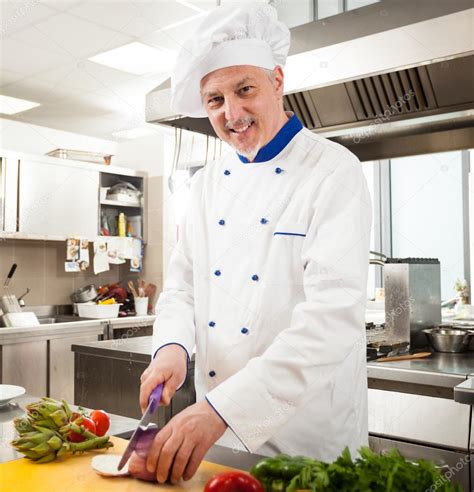
Ultimately, gourmet plating is about intentionality. Every ingredient, every sauce smear, every garnish is placed with a specific purpose. Chefs use tools like tweezers, squeeze bottles, and pastry brushes to achieve exact placements and perfect lines. This meticulous approach ensures that each component not only tastes exquisite but also contributes to a harmonious and visually compelling presentation.

Bringing Gourmet Plating Home
While the tools and pressure of a professional kitchen might seem daunting, the principles of gourmet plating can be applied in any home kitchen. Start by focusing on fresh, quality ingredients. Experiment with color and texture. Play with height and negative space. Think about how a simple sauce or a sprig of fresh herbs can elevate your dish. With a little practice and creativity, you can transform your everyday meals into visual feasts, making “simple ingredients look gourmet” a achievable reality in your own home.