Plating perfection: How to make homemade recipes visually stunning for foodies?

For foodies, eating is an experience that engages all senses. While taste is paramount, visual appeal is the first impression, setting the stage for enjoyment even before the first bite. Elevating the look of your homemade dishes transforms a simple meal into a culinary artwork, impressing guests and making your creations Instagram-worthy.
The Art of Visual Appeal: Why It Matters
In today’s visually driven world, the presentation of food is more important than ever. A beautifully plated dish not only whets the appetite but also enhances the perceived quality and taste of the food. It shows care, attention to detail, and a passion for cooking that goes beyond mere sustenance. Think of it as telling a story on a plate, where every ingredient plays a role in the narrative.
Foundational Elements of Stunning Plating
Achieving visual perfection in plating relies on a few core principles that you can easily apply at home:
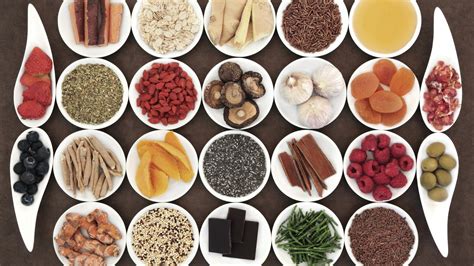
- Color: Use a variety of natural, vibrant colors. Contrast is key – pair bright reds with deep greens, or yellows with purples, to make your plate pop.
- Texture: Mix soft elements with crunchy ones, smooth with coarse. This adds interest not just to the palate but also to the eye, inviting diners to explore the dish.
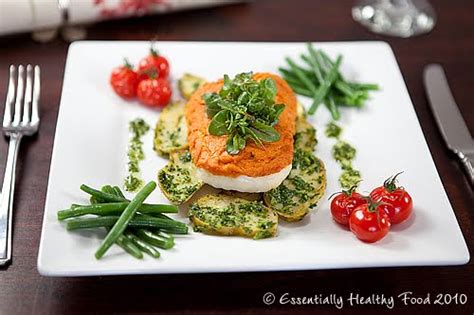
- Height & Dimension: Avoid flat plates. Build upwards, create layers, and use ingredients to add varying heights. This gives your dish a professional, sculpted look.
- Shape & Form: Utilize different shapes – round vegetables, julienned carrots, geometric cuts of protein – to create dynamic visual patterns.
Essential Tools and Techniques for Home Plating
You don’t need a professional kitchen to plate like a pro. A few simple tools and techniques can make a big difference:
- Plates: Opt for white or neutral-colored plates; they act as a blank canvas, allowing your food to be the star. Choose sizes appropriate for your portion to avoid overcrowding or sparse presentation.
- Squeeze Bottles & Spoons: Perfect for precise drizzling of sauces, creating swirls, dots, or lines.
- Tongs & Tweezers: Essential for delicate placement of small ingredients like herbs, microgreens, or individual berries.
- Ring Molds & Cutters: Great for creating perfectly round portions of rice, mashed potatoes, or layered salads.
Beyond tools, consider these techniques:
- The Rule of Thirds: Imagine your plate divided into a 3×3 grid. Place your main elements where the lines intersect for a balanced, visually appealing composition, much like in photography.
- Negative Space: Don’t overcrowd the plate. Allowing some empty space around your food helps highlight the dish and gives it a sophisticated feel.
Mastering the Plating Process: Step-by-Step
Here’s a practical approach to plating your homemade dishes:
- Choose Your Focal Point: Decide which ingredient is the star of your dish – usually the protein.
- Build from the Base: Start with a base layer, such as a smear of purée, a bed of grains, or a handful of greens.
- Add Your Protein: Place your main component strategically, often slightly off-center using the rule of thirds.
- Incorporate Sides: Arrange vegetables or starches around the protein, paying attention to color and texture balance.
- Apply Sauces: Drizzle or spoon sauces artfully. A swipe with the back of a spoon, small dots, or elegant lines can elevate the dish.
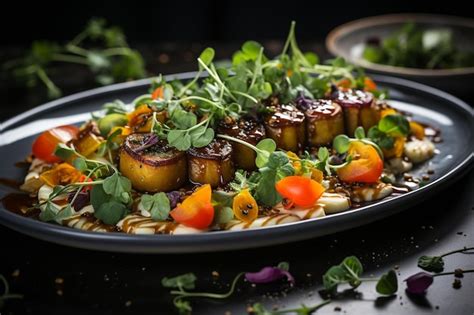
- Garnish with Flair: Add fresh herbs, microgreens, edible flowers, or a sprinkle of spice. Garnishes should complement the dish in flavor and texture, not just look.
- Clean the Plate: Before serving, use a clean cloth or paper towel to wipe any drips or smudges from the rim of the plate. A clean edge signals professionalism.
Elevating with Garnishes and Sauces
Garnishes are your final flourish. They should add a complementary flavor, texture, or aroma, not just visual appeal. Think beyond a parsley sprig: toasted nuts for crunch, a sprinkle of smoked paprika for color, or a few basil leaves for freshness. Sauces, too, are powerful design elements. Experiment with different consistencies and application methods – from a delicate drizzle to a bold swipe – to create dynamic visual interest.

Conclusion
Plating perfection is an achievable goal for any home cook. It requires practice, observation, and a willingness to experiment. Start simple, focusing on one or two elements at a time, and gradually build your confidence. By paying attention to color, texture, height, and strategic placement, you can transform your delicious homemade recipes into visually stunning masterpieces that will impress any foodie. Your taste buds and your camera will thank you!