Plating perfection: Top visual tricks to make home-cooked food Instagram-ready?
Why Plating Matters: More Than Just Good Taste
In the age of social media, our meals are often judged first by their appearance, then by their taste. A beautifully plated dish can turn a simple weeknight dinner into a culinary masterpiece worthy of a thousand likes. You don’t need a professional chef’s toolkit to achieve stunning results; just a few clever visual tricks can transform your home-cooked food into Instagram-ready art. Let’s dive into the secrets of plating perfection.
1. The Canvas: Choosing the Right Plate
Think of your plate as a blank canvas waiting for your edible artwork. The right choice can dramatically enhance your food’s appeal. Opt for simple, solid-colored plates, preferably white or neutral tones, as they allow your colorful ingredients to pop without distraction. Avoid busy patterns that compete with your food.
Consider the size and shape: a larger plate with ample negative space makes the portion look more refined and elegant. Odd-shaped plates can add a touch of modern flair, but always ensure they complement, rather than overwhelm, your dish.
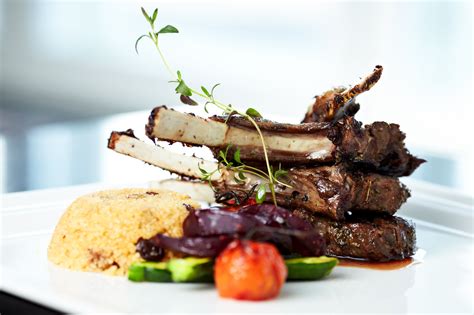
2. Color and Contrast: A Feast for the Eyes
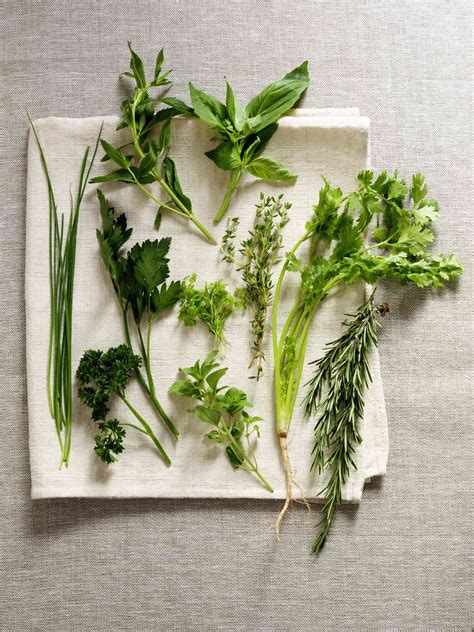
One of the easiest ways to make your food visually appealing is to think about color. A monochromatic dish, no matter how delicious, can look flat. Introduce contrasting colors through fresh herbs, vibrant vegetables, or colorful sauces. For example, a sprinkle of bright green chives on a creamy soup or a pop of red cherry tomatoes against a green salad instantly adds life.
Don’t be afraid to experiment with different hues. A squeeze of lemon zest, a dash of paprika, or a swirl of balsamic glaze can provide that much-needed visual punch, making your dish more dynamic and inviting.
3. Height and Texture: Adding Dimension
Flat food is boring food, at least from an Instagram perspective. Add height to your dishes by stacking ingredients strategically. Think about layering components rather than spreading them out. For instance, instead of a flat pile of pasta, coil it into a neat mound. For salads, build upwards with different components.
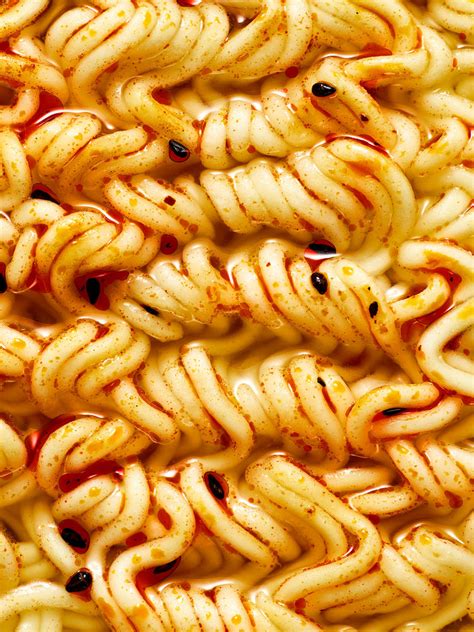
Texture contrast is equally important. A dish with varying textures, like crispy fried onions on a smooth puree, or crunchy nuts on a soft dessert, adds depth and interest. This not only appeals to the palate but also creates intriguing visual elements.
4. The Rule of Odds and Negative Space
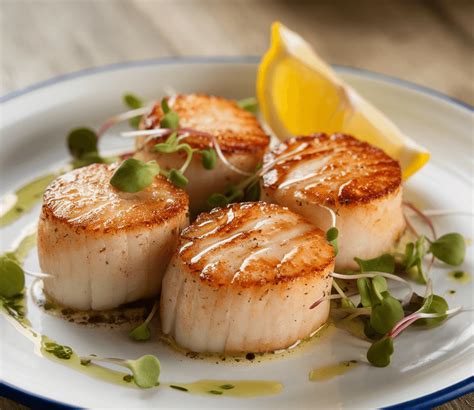
The ‘rule of odds’ suggests that objects arranged in odd numbers are more aesthetically pleasing and natural than those arranged in even numbers. When plating small items like shrimp, scallops, or even cherry tomatoes, arrange them in groups of three, five, or seven.
Equally important is negative space – the empty area on your plate. Don’t overcrowd the plate. Leaving some empty space around your food allows the dish to breathe and draws the eye to the main elements, making your presentation look deliberate and sophisticated.
5. Garnish and Finishing Touches
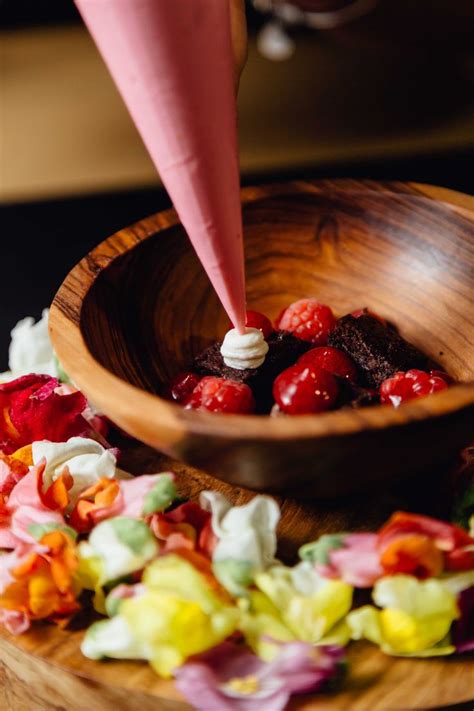
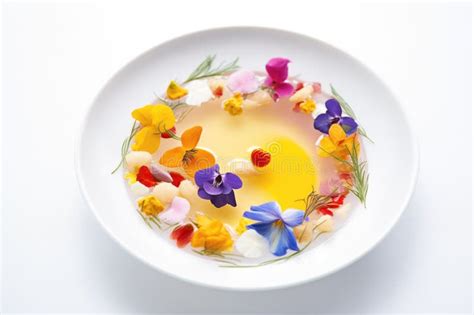
A simple garnish can elevate a dish from homemade to gourmet. This is where you add that final flourish. Think microgreens, edible flowers, a delicate drizzle of olive oil or a contrasting sauce, a sprinkle of toasted seeds, or a dusting of powdered sugar for desserts.
Be mindful that garnishes should be edible and complement the dish’s flavors. A few artfully placed elements are far more effective than an abundance of random decorations. The goal is to enhance, not overwhelm.
Practice Makes Plating Perfection
Like any skill, plating takes practice. Don’t be discouraged if your first attempts aren’t picture-perfect. Experiment with different arrangements, textures, and colors. Over time, you’ll develop an eye for what looks good and what makes your home-cooked meals truly shine. So go ahead, embrace your inner food stylist, and get ready to impress your followers with meals that look as incredible as they taste!